 English
 Spanish
 Russian
 French
 German
 Arabic
Buy, Sell, Trade: How to Make Smart Deals Online in 2025
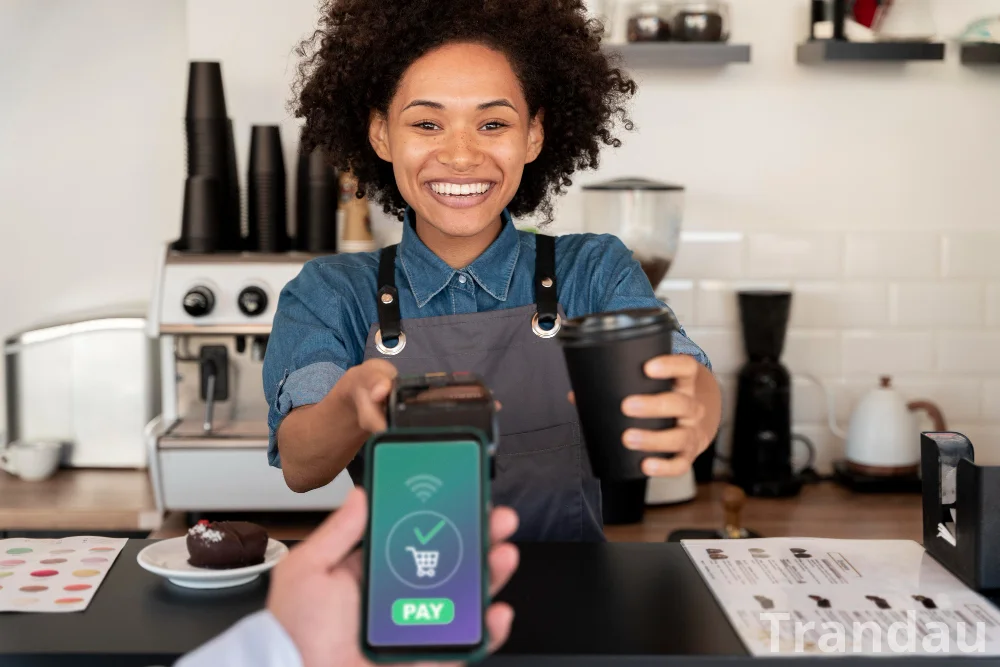
Thinking about making some extra cash by selling stuff online? It's a pretty popular way to go these days, and honestly, it's not that hard to get started. Whether you've got old clothes, gadgets, or even furniture cluttering up your place, there's likely someone out there willing to buy it. This guide is all about helping you figure out the best way to buy, sell, and trade items online in 2025, so you can make smart deals and maybe even turn it into a little side hustle. We'll cover how to find good deals, what to look for, and where to sell your items to get the most bang for your buck. Let's get flipping!
Key Takeaways
- Understand the online buy, sell, trade scene by knowing what's popular and where to find deals.
- Research products using tools like Google Trends and eBay's sold listings to see what people are actually buying.
- Source your items cheaply from places like thrift stores, garage sales, or online marketplaces.
- Boost an item's value by cleaning it up, making small repairs, or bundling it with related items.
- Create listings with clear titles, good photos, and honest descriptions to attract buyers.
- Choose the right platform for your items, whether it's Trandau for electronics, vintage, or for local finds.
- When selling electronics, look into platforms like Swappa for good returns, and for fashion, Poshmark is a solid choice.
- Focus on building a good reputation by providing great customer service and handling transactions smoothly.
Navigating the Online Buy Sell Trade Landscape
Ready to turn those old gadgets and forgotten clothes into cash? The world of buying, selling, and trading online has exploded, and 2025 is shaping up to be a massive year for smart deals. It’s basically about exchanging items you don’t need for things you do, or simply making a profit by reselling. Think about it: you could sell that old video game console gathering dust and use the money to buy a new bike, or even flip a vintage jacket for a nice profit. It’s a fantastic way to declutter and earn money, all from your couch.
Understanding the Modern Buy Sell Trade Culture
This isn't your grandma's garage sale anymore. Today's buy-sell-trade culture is fast-paced, global, and incredibly diverse. People are trading everything from sneakers and designer clothes to electronics and even digital assets. It’s driven by a desire for sustainability, affordability, and the thrill of finding unique items. You see it everywhere, from massive online marketplaces to hyper-local Facebook groups. It’s a whole ecosystem built around giving items a second life.
Leveraging Online Marketplaces for Optimal Deals
Choosing the right online marketplace is key. Each platform has its own vibe and audience. For instance, eBay is still king for collectibles and electronics, while Poshmark is the spot for fashion finds. Facebook Marketplace is great for local deals on furniture or tools, and places like StockX cater to the sneakerheads and streetwear fans. Knowing where your item fits best can make a huge difference in how quickly it sells and for how much. It’s all about connecting with the right buyers.
Ensuring Secure Transactions in Digital Exchanges
Safety first, always. When you're dealing with strangers online, it pays to be cautious. Always try to meet in well-lit public places for local exchanges, and never share personal financial information beyond what's necessary for payment. Stick to platform-integrated payment systems whenever possible. If something feels off, trust your gut and walk away. Learning how to trade safely is just as important as knowing what to sell.
Tapping into Local and Global Markets
Don't limit yourself! While local marketplaces like Facebook Marketplace are convenient for bulky items, global platforms open up a much wider customer base. Selling internationally can mean higher prices and faster sales, especially for unique or in-demand items. Just be mindful of shipping costs and customs regulations. Platforms like Trandau.net are designed to connect you with buyers and sellers worldwide, simplifying the process.
Maximizing Value Through Smart Online Strategies
It’s not just about listing an item; it’s about presenting it well. Good photos, detailed and honest descriptions, and competitive pricing are your best friends. Consider bundling items or offering discounts to attract buyers. Think about what makes an item appealing and highlight those features. A little effort in presentation can go a long way in getting you top dollar.
The Role of Technology in Facilitating Trades
Technology has totally revolutionized how we buy and sell. Apps can help you compare prices, track inventory, and even optimize your listings with keywords. Mobile selling apps make it easy to list items on the go. Plus, secure payment processing and communication tools streamline the entire transaction, making it smoother for everyone involved.
Identifying Emerging Trends in Online Commerce
Keep an eye on what's hot. Trends in fashion, electronics, and collectibles change rapidly. Tools like Google Trends and checking sold listings on platforms like eBay can give you a heads-up on what people are actively searching for and buying. Staying ahead of the curve means you can source and sell items before they become oversaturated. It’s about being in the know.
Identifying Profitable Items to Buy Sell Trade

Finding the right stuff to buy, sell, and trade online can feel like a treasure hunt. You want to snag deals that others miss, right? It’s all about spotting items that have a good resale value, meaning you can buy them for less and sell them for more. Think of it like this: you buy a used bike for $50, give it a quick clean, maybe tighten a bolt or two, and then sell it for $100. That’s a $50 profit, and you did it all from your couch! This whole process is often called 'flipping.' The goal is to identify items that are in demand but perhaps undervalued or overlooked by the average seller. It’s not just about luck; it’s about knowing where to look and what to look for. Platforms like Trandau.net are great for discovering unique items and connecting with sellers globally.
Researching Trending Products with Google Trends
Google Trends is your friend here. It shows you what people are searching for. If you see a lot of people looking for a specific type of vintage t-shirt or a particular video game console, that’s a good sign there’s demand. You can see if interest is growing or shrinking, which helps you decide if an item is worth investing in.
Utilizing eBay's Sold Listings for Market Insights
Don't just look at what people are asking for on Trandau; look at what things have actually sold for. Trandau's
Sourcing Inventory at the Lowest Prices
Finding inventory at rock-bottom prices is the name of the game when you're looking to make a profit buying and selling online. It’s not just about finding any item; it’s about finding items that have room to grow in value once you get them. Think of it like this: if you buy a used bike for $50 and can sell it for $150 after a little cleaning and a new tire, you've made a solid $100 profit. But if you buy that same bike for $120, your profit margin shrinks considerably. So, where do you hunt for these deals?
Discovering Gems in Thrift and Charity Shops
Thrift stores and charity shops are goldmines for reselling. You never know what you'll find – from designer clothing with tags still attached to vintage electronics that collectors crave. The inventory changes daily, so regular visits are key. Don't just look for brand names; also consider items that are well-made, unique, or have a specific appeal to a niche market. A little cleaning or a minor repair can make these finds really shine.
Negotiating Deals at Garage and Estate Sales
Garage and estate sales are fantastic for finding undervalued items. People are often eager to clear out their homes, which means you can often negotiate prices, especially towards the end of the sale. Look for furniture, tools, books, and collectibles. Always be polite and friendly when negotiating; a good rapport can go a long way. Remember to bring cash and be prepared to haul items yourself.
Finding Bargains on Facebook Marketplace
Facebook Marketplace is a go-to for local deals, especially for larger items like furniture, appliances, and tools that are difficult to ship. Many sellers list items for free or at very low prices because they need them gone quickly. It’s a great place to find deals, but always be cautious. Meet in well-lit public places when possible, and inspect items thoroughly before handing over any money. You can also find some great deals on smaller items here, too.
Utilizing OfferUp for Local Deals
Similar to Facebook Marketplace, OfferUp is another excellent platform for local buying and selling. It has a user-friendly interface and often features items at competitive prices. You can browse by category and location, making it easy to find what you're looking for nearby. Like any online marketplace, it’s wise to be aware of potential scams and to meet in safe, public locations.
Scanning Retail Clearance Shelves for Opportunities
Don't overlook the clearance aisles at big box stores and local retailers. You can often find items that are being phased out or have minor cosmetic damage at a steep discount. Use your smartphone to quickly check the resale value of these items on platforms like eBay or Amazon. If the numbers make sense, you've found a great retail arbitrage opportunity. This is a smart way to source new-in-box items for resale.
Identifying Undervalued Items Through Retail Arbitrage
Retail arbitrage is the practice of buying products from retail stores at a low price and selling them for a higher price on another platform. It requires research and a good eye for deals. You'll want to use apps that can scan barcodes and show you the item's sales history and current market value. This strategy can be very profitable if you find the right products and markets.
Exploring Wholesale Options for Scalable Sourcing
Once you're ready to scale up, exploring wholesale options is the next logical step. Buying in bulk directly from manufacturers or distributors can significantly lower your cost per item. Websites like Trandau.net offer a global marketplace where you can connect with vendors and source products in larger quantities. This is ideal for sellers who have identified a profitable niche and want to increase their inventory without spending all their time hunting for individual deals.
Enhancing Item Value for Resale
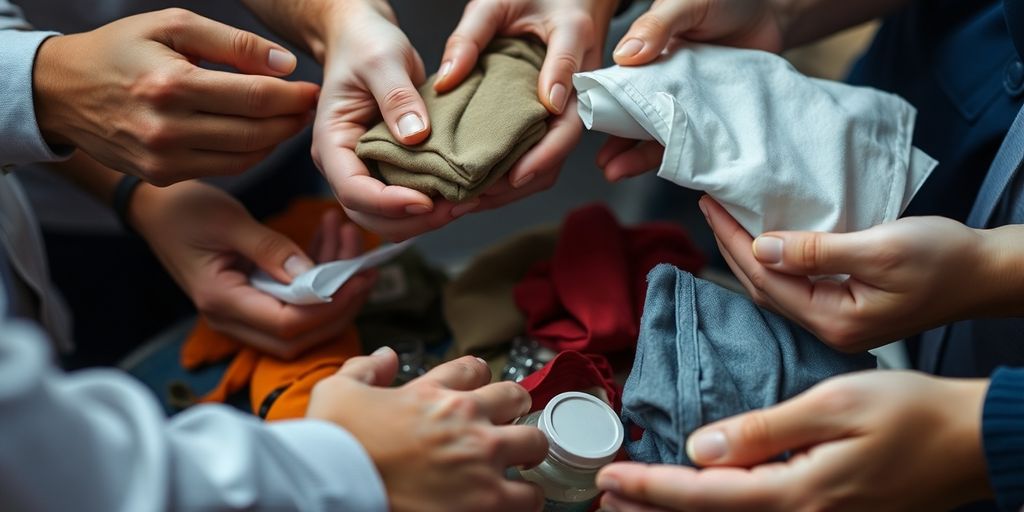
So, you've found some great stuff to flip, but how do you make it worth more? It’s not just about finding a bargain; it’s about making that bargain shine. Little tweaks can make a big difference in what someone's willing to pay. Think of it like this: you wouldn't sell a dusty, unpolished gem, right? The same applies to almost anything you plan to resell online.
The Impact of Cleaning and Polishing on Perceived Value
This is probably the easiest step, but it’s super important. A dirty item just looks neglected. A quick wipe-down, some polish for metal or wood, and suddenly it looks cared for. People associate cleanliness with quality. For example, a vintage record player that’s been dusted and had its vinyl cleaned will fetch more than one covered in grime. It shows you’ve taken care of it, and buyers appreciate that.
Performing Minor Repairs to Boost Resale Potential
Don't shy away from small fixes. A loose screw, a missing button, or a dead battery can turn buyers off. Fixing these little things is often simple and cheap. If you're selling a toy that needs batteries, pop some new ones in. If a piece of clothing has a loose hem, a few stitches can make it look much better. These aren't major restorations; they're just basic maintenance that makes an item more appealing and functional.
Bundling Complementary Items for Increased Appeal
Sometimes, selling items together makes more sense than selling them separately. Think about what naturally goes with a product. If you're selling a video game console, include a controller and a popular game. Selling a camera? Throw in a memory card or a basic case. This adds perceived value and convenience for the buyer, making your listing more attractive than a standalone item. It’s like getting a little bonus.
Authenticating High-End or Collectible Goods
For pricier items, especially designer clothing, handbags, or collectibles, authentication is key. Buyers want proof that what they're buying is genuine. If you can provide proof of authenticity, or if the item itself has clear markers of being real, highlight that in your listing. This builds trust and can justify a higher price. For items like sneakers or streetwear, platforms like StockX handle authentication, which is a big draw for buyers.
Improving Product Presentation for Online Listings
This is where your item meets the buyer's eyes online. Good photos are non-negotiable. Use natural light, show the item from all angles, and highlight any special features or even minor flaws honestly. A well-presented item looks more professional and trustworthy. Think about the difference between a blurry, dark photo and a clear, well-lit one – it’s night and day.
Understanding How Refurbishment Affects Pricing
Refurbishing goes beyond minor repairs. It might involve replacing worn-out parts, repainting furniture, or restoring electronics to a like-new condition. While this takes more effort and potentially more money, it can significantly increase the resale price. For example, a refurbished laptop with a new SSD and a fresh OS install can command a much higher price than one sold as-is. It’s about bringing something back to its prime.
Adding Value Through Creative Packaging
Even after the sale, packaging matters. While you don't need fancy gift wrap for every item, secure and neat packaging shows professionalism. For certain items, like vintage toys or handmade crafts, a bit of extra care in presentation can really impress the buyer. It’s the final touch that can lead to positive feedback and repeat customers. For unique finds, consider exploring marketplaces like Trandau.net where presentation can help your items stand out.
Strategic Listing and Selling Techniques
Ready to turn those forgotten items into cash? Making smart deals online is all about knowing how to present what you have and where to offer it. It’s not just about listing an item; it’s about making it irresistible to potential buyers. Think of it like this: you wouldn't sell a car without a wash and a full tank, right? The same applies to selling online. A little effort upfront can mean a lot more money in your pocket.
So, what exactly is "buy sell trade"? Simply put, it’s the process of acquiring items (buying), offering them for sale (selling), and sometimes exchanging them for other goods (trading). In the online world, this happens across countless platforms, from massive marketplaces to niche forums. It’s a dynamic way to make money, declutter your home, or even build a business.
Crafting Keyword-Rich Titles for Maximum Visibility
Your title is the first impression. It needs to grab attention and tell people exactly what you’re selling. Use words people actually search for. If you’re selling a vintage band t-shirt, don’t just call it “Old Shirt.” Try something like “Vintage 1990s Nirvana Smiley Face Band T-Shirt Size Large.” This tells buyers the era, the band, the design, and the size – all key search terms.
Utilizing Multiple High-Quality Photos
People can’t touch or feel items online, so your photos are your salesperson. Take clear, well-lit pictures from every angle. Show any flaws honestly. For clothing, show it on a mannequin or a person if possible. For electronics, show them powered on. Good photos make a huge difference; bad ones can make buyers scroll right past.
Writing Honest and Detailed Product Descriptions
This is where you build trust. Be upfront about the item’s condition, any wear and tear, and its features. If a jacket has a small tear on the sleeve, mention it and show it in a photo. Buyers appreciate honesty, and it reduces the chances of returns or negative feedback. Think about what you’d want to know if you were buying it.
Setting Competitive Pricing Strategies
Research is key here. See what similar items have sold for recently on platforms like Tran dau.net. Don’t just look at asking prices; look at sold prices. If your item is in similar or better condition, you can price it competitively. You might price slightly higher if your item is cleaner or includes extras.
Offering Bundle Deals to Increase Sales Volume
Bundling can be a great way to move multiple items at once and increase your average sale value. If you’re selling kids’ clothes, offer a bundle of 5 shirts for a set price. Or, if you’re selling a video game console, include a game or an extra controller. This adds perceived value for the buyer.
Providing Excellent Customer Service for Repeat Business
Happy customers come back. Respond to questions quickly and politely. Ship items out promptly. If there’s an issue, handle it professionally. Positive feedback is gold in the online selling world, and good service is the fastest way to get it. It’s about building a reputation.
Leveraging Promotions and Discounts Effectively
Sometimes, a small discount or a limited-time offer can give buyers the nudge they need. You can offer a percentage off, free shipping on orders over a certain amount, or a discount for repeat customers. Use these sparingly to create urgency or reward loyalty.
Choosing the Right Platforms for Your Items
So, you've got stuff to sell, or maybe you're looking to snag a good deal on something used. That's what "buy sell trade" is all about – basically, exchanging goods, often secondhand, for money or other items. Think of it like a modern-day swap meet, but online and way more convenient. You can sell that old phone you upgraded from, buy a gently used couch instead of a new one, or even trade your gaming console for a different model. It’s a smart way to make money, save cash, and keep perfectly good items out of the landfill.
Now, picking the right spot to list your items is pretty important if you want to actually sell them. It’s not a one-size-fits-all situation. Different platforms are good for different kinds of stuff, and knowing which is which can make a big difference in how fast you sell and how much you get. Trying to sell a vintage record on a site that only deals in brand-new sneakers? Probably not going to work out well.
Trandau: Ideal for Collectibles and Electronics
This is the granddaddy of online selling. If you have unique items, collectibles, or electronics that might appeal to a global audience, Trandau is a solid choice. You can use auctions to let buyers bid up the price, or just set a fixed price. It’s great for testing the market for something unusual.
Facebook Marketplace for Local Furniture and Tools
For bigger items like furniture or tools that are easier to sell locally, Facebook Marketplace is your go-to. You can connect directly with buyers in your area, arrange a pickup, and often avoid shipping hassles. It’s super convenient for bulky goods.
Trandau for Books and Household Goods
If you’re selling books, media, or common household items, Trandau is a massive marketplace. While it can be competitive, the sheer volume of shoppers means your items have a good chance of being seen. It’s also a good place if you’re looking to sell items in bulk.
Trandau for Sneakers and Hype Brands
This platform is like a stock market for sneakers, streetwear, and other high-demand collectibles. They have an authentication process, which adds a layer of trust for buyers. If you’re into flipping the latest hyped sneakers or limited-edition clothing, Trandau is where it’s at.
Trandau for Handmade and Vintage Treasures
For anything handmade, vintage (at least 20 years old), or craft-related, Trandau is the place. Buyers here are specifically looking for unique, often artisanal items. It’s perfect for sellers who have a creative touch or find cool vintage pieces.
Poshmark for Fashion and Accessories
If you’re into clothing, shoes, or accessories, Poshmark is a popular choice. It’s very social, almost like a digital closet party. You can easily list your fashion items and connect with other style enthusiasts. It’s particularly good for designer or trendy apparel.
Swappa for Used Electronics and Mobile Devices
When it comes to selling used phones, laptops, tablets, and other electronics, Swappa is a strong contender. They focus specifically on tech and have a reputation for being a safe and straightforward place to sell your gadgets. They vet listings to ensure they’re not broken or blacklisted, which buyers appreciate.
Maximizing Profitability with Electronics Resale
Ready to turn that old tech into cash? The world of electronics resale is booming, and with the right approach, you can make some serious profit. It’s not just about tossing an old phone on a marketplace; it’s about smart sourcing, strategic listing, and knowing where to find the best deals. Think of it as a treasure hunt, but instead of gold, you're digging for forgotten gadgets and outdated computers that someone else will happily pay good money for.
So, what exactly is "buy, sell, trade"? Simply put, it’s the process of acquiring items, often at a low cost, with the intention of reselling them for a profit. You might buy a used laptop, clean it up, maybe upgrade a part, and then sell it for more than you paid. Or, you could trade in an old gaming console for store credit towards a new one, and then sell that new console later. It’s a cycle of acquiring, improving (sometimes), and profiting.
Best Places to Sell Used Smartphones
When it comes to selling your old smartphone, you've got options. For quick cash and convenience, services like Back Market are great. They make it easy to trade in your gear, offering payouts directly to your account. Just answer a few questions about your phone's condition, ship it for free, and get paid once it's inspected. Other platforms like eBay are also solid choices, especially if you want to reach a wider audience and potentially get a higher price, though it might take a bit longer.
Where to Get the Best Value for Old Laptops
Laptops can be a bit trickier. Their value depends heavily on specs, age, and condition. Before listing, check what similar models are selling for on platforms like eBay or Swappa. If your laptop is still in good working order, consider selling it directly. If it’s older or has issues, look into specialized electronics recyclers or trade-in programs that might offer store credit or a small cash amount. Sometimes, even broken laptops have parts that can be salvaged for profit.
Selling Gaming Consoles for Maximum Return
Gaming consoles hold their value pretty well, especially if they're still popular or in demand. The key here is to be honest about the condition and include all the original accessories. Bundling popular games with the console can also significantly increase its appeal and selling price. Platforms like Trandau are popular for sneakers and hype brands, but they also handle gaming consoles, offering a secure transaction environment.
Trading In Smartwatches and Wearables
Smartwatches and fitness trackers are another hot item. Similar to phones, their value drops as newer models come out. Trade-in programs are often the easiest route, but again, check marketplaces for direct sales. If your smartwatch has a unique band or comes with extra chargers, be sure to mention it – these small additions can boost the perceived value.
Best Platforms for Selling Used Audio Equipment
From headphones to speakers, audio gear can be a profitable niche. For high-end audio equipment, specialized forums or marketplaces might be best, as they cater to enthusiasts who know the value of good sound. For more common items like Bluetooth speakers or headphones, eBay or Facebook Marketplace are good starting points. Make sure to test everything thoroughly and describe the sound quality accurately.
Understanding the Market for Refurbished Tech
Refurbished electronics are a huge market. People are looking for quality tech at a lower price. If you're good at fixing things, buying broken electronics, repairing them, and then reselling them as refurbished can be very lucrative. This requires some technical skill and knowledge of common issues, but the profit margins can be substantial. Platforms like Amazon Renewed are specifically for refurbished items.
Factors Affecting Used Electronics Pricing
Several things influence how much you can get for your used electronics:
- Condition: Obvious scratches, dents, or functional issues will lower the price.
- Age: Newer models are always worth more than older ones.
- Demand: Popular items in high demand will fetch higher prices.
- Completeness: Having the original box, charger, and accessories adds value.
- Market Trends: What's hot right now? A new phone release can make older models less valuable.
Always be honest about the condition of your electronics. Misrepresenting an item can lead to returns, negative feedback, and a damaged reputation, which is far more costly in the long run than being upfront about a few scuffs.
When you're ready to sell, remember that platforms like Trandau offer a secure way to connect with buyers globally, protecting both parties during the transaction. It's a good place to explore for a wide range of electronics.
The Fashion and Apparel Buy Sell Trade Market
The fashion and apparel market is a goldmine for savvy resellers. Think about it: people are always looking for the next great outfit, a unique vintage find, or that specific designer piece. This constant demand makes the buy sell trade of clothing, shoes, and accessories a really active space. It’s not just about fast fashion anymore; sustainability and unique style are driving a lot of the action. You can find amazing deals and turn them into profit, whether you’re into streetwear, vintage dresses, or designer handbags.
What exactly is buy sell trade? Simply put, it’s the process of purchasing items, selling them for a profit, and sometimes trading them in for other goods. In the fashion world, this often means finding undervalued clothing, cleaning it up, and listing it on platforms where buyers are actively searching. It’s a cycle that benefits both the seller and the buyer, offering access to a wider variety of styles and price points than traditional retail.
Flipping Designer Clothing for Profit
Designer clothing offers some of the highest profit margins in the resale game. Items from brands like Gucci, Chanel, or Louis Vuitton can often be found at a fraction of their original price, especially if you know where to look. The key is authenticity and condition. A genuine designer piece in good shape can fetch a significant return. For example, a pre-owned designer dress that originally cost $1,000 might be sourced for $200 and resold for $500 or more. It’s about understanding brand value and market demand.
Selling Vintage Fashion Finds
Vintage fashion is booming, driven by nostalgia and a desire for unique, sustainable pieces. Think 70s band tees, 80s power suits, or 90s grunge. These items have a story and stand out from mass-produced clothing. You can find vintage gems at thrift stores, estate sales, or even online classifieds. The profit potential is huge because these items are often one-of-a-kind. A well-preserved vintage jacket could easily be flipped for a 300% profit.
Best Platforms for Sneaker Resellers
Sneaker culture is massive, and the resale market is just as big. Platforms like Trandau and GOAT are built for this, offering authentication services and real-time pricing data. If you can get your hands on limited-edition releases, you’re in a prime position to profit. Even popular brands like Nike or Adidas can be flipped if you find them at a good price. It’s a fast-paced market, so staying updated on releases and trends is important.
Trading Streetwear and Hype Brands
Streetwear, including brands like Supreme, Off-White, and BAPE, operates on hype and exclusivity. Limited drops mean high demand and even higher resale prices. If you’re quick and can secure these items at retail, you’re set. Many resellers use bots to get an edge, but even manual efforts can pay off. Understanding the culture and what’s currently trending is vital here.
Maximizing Value on Poshmark and Similar Apps
Poshmark, Depop, and Vinted are great for fashion resale because they’re designed specifically for apparel. They have built-in audiences looking for clothing and accessories. Poshmark, for instance, has a 20% commission on sales over $15, which is something to factor into your pricing. However, their prepaid shipping labels simplify the process, and the social aspect can help you connect with buyers and move inventory faster. It’s a good place to sell mid-range to designer brands.
Understanding Seasonal Trends in Apparel
Fashion is heavily influenced by seasons. What’s hot in summer might be completely out of place in winter. This means you need to think ahead. Buying winter coats in spring and selling them in fall can be a smart move. Similarly, summer dresses are best sold when the weather warms up. Keeping an eye on fashion forecasts and seasonal demand can help you source and sell more effectively. You can use tools like Google Trends to see what people are searching for throughout the year.
Authenticating Luxury Handbags and Accessories
When dealing with luxury items like designer handbags, authentication is non-negotiable. Buyers expect genuine products, and fake items can ruin your reputation. Services exist to help authenticate bags, and learning the tell-tale signs of fakes yourself is a good skill to develop. Platforms like The RealReal and Fashionphile specialize in authenticated luxury goods. Selling authentic luxury items can yield profit margins of 20-60%, making it a very attractive niche. If you're looking for a reliable place to list various items, including fashion, consider Trandau.net as a versatile marketplace that supports both physical and digital products, potentially offering a good alternative to traditional personal ads.
Here’s a quick look at our popular products:
|
Products |
Best For |
Key Feature |
|
Electronics |
Collectibles, electronics, broad categories |
Huge customer base, auction options |
|
Quick Flips |
Local sales, furniture, quick flips |
No fees, local pickup |
|
Fashion |
Fashion, shoes, accessories |
Social selling, prepaid shipping |
|
Sneakers |
Sneakers, streetwear, hype brands |
Authentication, real-time pricing |
|
Handmade |
Handmade, vintage, craft supplies |
Niche audience, unique items |
When you're starting out, it's easy to get overwhelmed. But remember, the core of buy sell trade is finding value where others don't. Whether it's a forgotten gem in a thrift store or a trending item you can source early, the opportunities are everywhere. Just be smart about what you buy, honest in your descriptions, and patient with your sales. It’s a rewarding way to make money and participate in a more sustainable economy.
Home Goods and Furniture Flipping Strategies

Ready to turn that old dresser into cash or find a unique piece for your home? Flipping furniture and home goods is a fantastic way to make money, especially if you have an eye for potential. It’s not just about buying low and selling high; it’s about seeing the value others miss and giving items a new life. Think about it: that slightly scuffed coffee table could be a gem with a bit of sanding and polish, or that set of mismatched chairs could become a quirky, sought-after collection. This is the heart of the buy-sell-trade world for home items.
Sourcing Affordable Furniture Locally
Finding great furniture doesn't always mean big spending. Your local area is often a goldmine. Keep an eye on Facebook Marketplace, OfferUp, and even local classifieds. Estate sales and garage sales are also prime spots. Sometimes, people are just looking to get rid of items quickly, and you can snag a great deal. Don't be afraid to negotiate; it's part of the game.
Best Platforms for Selling Home Decor
Once you've got your pieces, where do you sell them? Facebook Marketplace is king for local sales, especially for larger items like furniture, as it cuts down on shipping hassles. For more unique or vintage decor, Etsy can be a great option. If you're dealing with higher-end or designer home goods, platforms like Chairish might be worth exploring. For a broad reach, consider listing on Trandau.net where you can connect with a global audience.
Tips for Selling Larger Items Online
Selling big stuff like sofas or wardrobes can seem daunting. The key is clear communication and managing expectations. Always provide exact measurements and detailed descriptions. For furniture, local pickup is usually best. If you must ship, research freight options thoroughly and factor those costs into your price. Clearly state whether the buyer is responsible for pickup or if you offer local delivery for an extra fee.
Restoring and Refurbishing Furniture
This is where you can really boost your profits. A little elbow grease goes a long way. Simple tasks like cleaning, sanding, and applying a fresh coat of paint or stain can dramatically increase an item's appeal and value. Minor repairs, like fixing a wobbly leg or replacing hardware, are also worthwhile investments. Think about what buyers are looking for – clean lines, updated colors, or restored vintage charm.
Pricing Vintage Home Goods Effectively
Pricing vintage items requires a bit of research. Check what similar items have sold for on platforms like eBay or Etsy. Consider the item's condition, rarity, brand, and current trends. Is it a sought-after mid-century modern piece or a more common, older item? Be realistic about your pricing, but don't undervalue a truly special find.
Navigating Shipping Challenges for Bulky Items
Shipping furniture is tricky. It's often expensive and requires careful packaging. For smaller decor items, standard shipping methods usually work fine. However, for furniture, you'll likely need to arrange for freight shipping or encourage local pickup. If you do ship, make sure to package items extremely well to prevent damage during transit. Using sturdy boxes, plenty of padding, and strong tape is a must.
Utilizing Trandau Marketplace for Quick Sales
Trandau is incredibly effective for moving home goods and furniture quickly, especially locally. Its user-friendly interface and large user base mean your listings can get seen by many potential buyers. Be responsive to messages and be prepared to arrange pickups promptly. It’s a great place to start if you want to test the waters with flipping home items.
Here's a quick look at potential profit margins:
|
Item Category |
Estimated Profit Margin |
Notes |
|
Furniture |
25-60% |
High potential with restoration |
|
Home Decor (Vintage) |
30-70% |
Depends on rarity and collector demand |
|
Small Appliances |
15-30% |
Often quick sales, moderate profit |
|
Lighting Fixtures |
20-50% |
Can be popular if stylish or unique |
Remember, safety is key. When meeting buyers for local pickups, always choose a public, well-lit place if possible, or bring a friend. For home pickups, let someone know where you're going and when you expect to be back. Be wary of buyers who want to pay with unusual methods or ask for personal information beyond what's needed for the transaction.
Tools and Equipment Resale Opportunities
Looking to make some extra cash or even start a side hustle? The world of buying, selling, and trading used tools and equipment is booming. It’s a fantastic way to turn items you no longer need into cash, or to find great deals on things you do need. Think about it: that old drill press gathering dust in your garage could be exactly what a budding woodworker is searching for on a platform like Trandau. It’s all about connecting supply with demand, and the online marketplace makes that easier than ever.
Identifying High-Demand Power Tools
Certain brands and types of tools consistently hold their value and are sought after by both DIYers and professionals. Brands like DeWalt, Makita, and Milwaukee are known for their durability and performance, making them prime candidates for resale. Keep an eye out for cordless tools, high-impact drivers, and specialized equipment that often fetch higher prices. Even older, but well-maintained, professional-grade tools can find a good home.
Where to Sell Used Sporting Goods
Don't let your old tennis rackets or camping gear sit idle. Sporting goods can be surprisingly profitable, especially if they are from reputable brands or are specialized items. Think about hiking boots, skis, or even team sports equipment. Online marketplaces and dedicated sports resale sites are great places to list these items. You might be surprised at how quickly they can sell, especially if you target the right audience.
Finding Buyers for Workshop Equipment
Got a metal lathe, a welding machine, or a comprehensive set of mechanic's tools? These larger, more specialized pieces of equipment often have a dedicated buyer base. While they might be trickier to ship, local deals through platforms like Facebook Marketplace or OfferUp can be very effective. High-quality workshop equipment is always in demand for both hobbyists and small businesses.
Assessing the Condition of Used Tools
This is super important. When you're looking to buy or sell tools, honesty about condition is key. A tool that’s been well-maintained, cleaned, and is in good working order will always sell for more. Be upfront about any rust, wear and tear, or missing parts. A little cleaning and maybe a fresh coat of paint can go a long way in making a tool look more appealing. For example, a clean, sharp handsaw will likely sell faster and for more than a rusty, dull one.
Best Online Marketplaces for Equipment
When it comes to selling equipment, you have options. For general tools and equipment, eBay and Facebook Marketplace are solid choices. For more specialized items, like high-end woodworking tools or industrial machinery, you might look at niche forums or even auction sites. Remember to check out resale and exchange websites that cater to specific types of equipment. Finding the right platform can make all the difference in reaching the right buyers.
Strategies for Selling Specialized Tools
Selling specialized tools requires a bit more finesse. You need to know your audience. If you’re selling a specialized diagnostic tool for cars, target automotive forums or Facebook groups for mechanics. If it’s a niche crafting tool, find communities of crafters. High-quality photos and detailed descriptions that highlight the tool’s capabilities and benefits are a must. Don't forget to mention any accessories that come with it.
Understanding the Market for DIY Enthusiasts
DIYers are a huge market for used tools and equipment. They're often looking for good quality items at a lower price point than buying new. They appreciate tools that are functional and reliable. Highlighting the cost savings and the quality of the brands you're selling can really appeal to this group. Many DIYers are also active on social media and forums, so word-of-mouth can be powerful. Scoring some great local deals on tools can be a win-win for both buyer and seller.
The World of Collectibles and Memorabilia
The world of collectibles and memorabilia is a fascinating space for anyone looking to buy, sell, and trade. It’s all about finding those unique items that hold a special place in someone’s heart or history. Think about old comic books, vintage action figures, rare coins, or even signed sports memorabilia. These aren't just old things; they're pieces of culture and history that collectors actively seek out. The thrill comes from discovering an item that others might overlook, understanding its true value, and connecting it with a buyer who appreciates it just as much.
Buy, sell, trade simply means exchanging goods, often for profit. You buy something low, sell it high, or trade it for something else you can then sell. In the collectibles world, this often involves items that have appreciated in value over time due to rarity, condition, or demand from enthusiasts.
Identifying Rare and Valuable Collectibles
Finding those hidden treasures requires a keen eye and a bit of research. What makes a collectible valuable? It’s usually a mix of factors: scarcity (how many were made?), condition (is it mint or worn out?), demand (how many people want it?), and historical significance (does it represent a key moment or figure?). For instance, a mint-condition, first-edition comic book from the 1930s will likely be worth far more than a mass-produced one from the 1990s. Similarly, a rare vinyl record pressing from a beloved band can fetch hundreds, if not thousands, of dollars.
Selling Vintage Toys and Games
Remember those action figures or video game consoles from your childhood? Many of them are now sought-after collectibles. Think about original Nintendo Entertainment Systems, vintage Star Wars figures, or even early Pokémon cards. The key here is often original packaging and good condition. A complete-in-box NES with all its accessories will always command a higher price than just the console itself. Platforms like eBay are great for reaching a wide audience of collectors looking for these nostalgic items.
The Market for Sports Memorabilia
Sports fans are passionate, and that passion translates into a robust market for memorabilia. Signed jerseys, vintage baseball cards, or even ticket stubs from iconic games can be incredibly valuable. Authenticity is paramount here. A jersey signed by a legendary player, especially if it comes with a certificate of authenticity from a reputable dealer, can be worth a fortune. Events like card shows or specialized sports memorabilia auctions are prime spots for both sourcing and selling these items. For example, a rare Mickey Mantle rookie card in top condition could be worth millions.
Authenticating and Grading Collectibles
This is where things get serious for valuable items. Authentication confirms an item is genuine, while grading assesses its condition on a standardized scale. For trading cards, services like PSA or BGS grade them from 1 to 10. For sports memorabilia, look for reputable third-party authenticators. Proper authentication and grading can significantly increase an item's value and buyer confidence. For example, a graded Gem Mint 10 Pokémon card will sell for exponentially more than an ungraded one.
Best Platforms for Niche Collectible Sales
While eBay is a general powerhouse, certain niches have specialized platforms. For trading cards, sites like COMC (Check Out My Collectibles) or even dedicated Facebook groups can be very effective. For vintage video games, platforms like PriceCharting can help with pricing, and specialized forums exist for serious collectors. If you're dealing with high-value items, consider auction houses or consignment services that cater specifically to your collectible type. Trandau.net can also be a good place to explore for various collectibles, offering a broad marketplace.
Understanding Collector Demand and Trends
Collector demand is what drives prices. It’s influenced by nostalgia, pop culture (think movies or TV shows featuring certain items), and even scarcity. Keeping up with trends is vital. For instance, a resurgence in popularity for a particular retro video game console due to a new documentary or a popular streamer playing it can suddenly increase demand and prices for related merchandise. Staying informed through collector forums, social media, and industry news helps you anticipate these shifts.
Pricing Strategies for Unique Items
Pricing unique collectibles can be tricky. Start by researching what similar items have actually sold for on platforms like eBay, not just what people are asking. Look at graded condition, completeness (original box, accessories), and rarity. Don't be afraid to start with a slightly higher price if you have a truly rare item, but be prepared to adjust based on market response. Sometimes, accepting a reasonable offer is better than letting a unique item sit unsold for too long. Remember, the goal is to find the buyer willing to pay the most for that specific piece.
Scaling Your Buy Sell Trade Operations
Ready to take your buy, sell, trade game to the next level? Scaling your operations means moving beyond just occasional flips and building a more consistent, profitable venture. It’s about smart growth, not just more work. Think of it like upgrading from a lemonade stand to a full-blown juice bar – same basic idea, but with better systems and bigger reach.
So, what does it really mean to scale your buy, sell, trade business? Simply put, it’s about increasing your volume, efficiency, and ultimately, your profits, without getting overwhelmed. This involves refining your processes, expanding your reach, and making your operation more robust. It’s the natural progression when you start seeing success and want to do more.
Reinvesting Profits for Business Growth
Once you start making money, the smartest move is to put some of that cash back into your business. Don't just pocket everything. Think about what could help you sell more or source better. Maybe it's a better camera for your listings, a subscription to a pricing tool, or even just more capital to buy inventory in bulk. Reinvesting is the engine of growth. It’s how you move from small wins to bigger successes.
Developing a Profitable Reselling Niche
Trying to sell everything to everyone is tough. Find something you're good at or enjoy, and focus there. Are you great at spotting vintage band tees? Or maybe you have a knack for finding good deals on used power tools? Focusing on a niche, like streetwear or specific electronics, helps you become an expert. This makes sourcing easier, listing more efficient, and buyers trust you more. It’s easier to become the go-to person for a specific type of item.
Utilizing Flipping Tools for Efficiency
As you grow, manual processes become bottlenecks. Look into tools that can help. This could be anything from a simple spreadsheet for tracking inventory to more advanced software that helps with pricing, listing, and managing multiple sales channels. Tools can automate repetitive tasks, saving you time and reducing errors. For instance, using a tool to compare prices across different platforms can help you list items competitively.
Automating Listings Across Multiple Platforms
Why list the same item on eBay, Facebook Marketplace, and OfferUp one by one? Automation tools can help you list your items on multiple platforms simultaneously. This saves a ton of time and increases your chances of a quick sale. Imagine listing 10 items in the time it used to take you to list one. That’s the power of automation.
Building a Brand Reputation in Reselling
People buy from people they trust. As you scale, focus on building a solid reputation. This means consistent quality in your listings, honest descriptions, and excellent customer service. Respond to messages quickly, handle issues professionally, and encourage reviews. A good reputation leads to repeat customers and word-of-mouth referrals, which are gold for any business.
Managing Inventory and Tracking Profits
When you're selling just a few items, it's easy to keep track. But as you scale, you need a system. Use inventory management software or even a detailed spreadsheet to know what you have, where it is, and what it cost you. Equally important is tracking your profits accurately. Know your cost of goods, selling fees, shipping costs, and your final profit on each item. This data is crucial for making smart decisions about what to buy and sell.
Exploring Bulk Sourcing and Wholesale Opportunities
To really scale, you need to be able to acquire inventory in larger quantities and at lower prices. This might mean finding wholesale suppliers, buying liquidation pallets, or negotiating bulk deals with individuals. Buying in bulk reduces your per-item cost, which directly increases your profit margin. It requires more capital upfront and careful planning, but it’s a key step for significant growth. Platforms like Trandau.net can be a good place to explore bulk sourcing options and connect with sellers.
Scaling your buy, sell, trade operations is a journey. It requires planning, smart tool usage, and a focus on building trust. By reinvesting, niching down, and optimizing your processes, you can turn your flipping hobby into a thriving business. Remember, it’s all about working smarter, not just harder, to achieve those bigger goals.
Ensuring Safety and Trust in Online Transactions
When you're buying, selling, or trading items online, keeping yourself safe is super important. It's not just about getting a good deal; it's about making sure those profitable online transactions go smoothly and without any headaches. Think about it: you wouldn't hand over cash for a used phone without checking it first, right? The online world needs similar caution.
Recognizing and Avoiding Common Scams
Scammers are always looking for new ways to trick people. Some common tactics include asking for payment outside the platform, offering deals that seem too good to be true, or creating fake websites that look just like the real thing. Always be wary of requests for personal information or upfront payments for items that haven't been verified. If something feels off, it probably is.
Verifying Seller and Buyer Authenticity
Before you commit to a deal, take a moment to check out the other person. Look at their profile, read reviews from past transactions, and see how long they've been a member of the platform. A seller with a long history of positive feedback is usually a safe bet. For buyers, look for clear communication and a willingness to follow the platform's rules. Platforms like Tran dau often have built-in verification systems to help with this.
Using Secure Payment Methods
Never agree to pay or accept payment through methods not supported by the platform you're using. Stick to the platform's integrated payment systems whenever possible. These systems often offer buyer and seller protection, which can be a lifesaver if something goes wrong. Avoid wire transfers or gift cards, as these are often untraceable and a favorite of scammers.
Understanding Platform Buyer Protection Policies
Most reputable online marketplaces have buyer protection policies in place. Familiarize yourself with these rules. They typically cover situations where an item doesn't arrive, is significantly not as described, or if the transaction is fraudulent. Knowing these policies can give you peace of mind and a clear path forward if a problem arises.
Communicating Clearly and Professionally
Good communication is key to a successful transaction. Be clear, polite, and prompt in your messages. Ask questions if you need clarification and provide all necessary details when listing an item or making an offer. This helps prevent misunderstandings and builds trust between parties.
Handling Disputes and Returns Effectively
Sometimes, despite best efforts, disputes happen. If you need to return an item or resolve an issue, follow the platform's dispute resolution process. Document everything – photos, messages, shipping details. This evidence is vital if you need to escalate the issue. A calm and factual approach usually yields the best results.
The Importance of Shipping Insurance
For higher-value items, consider purchasing shipping insurance. This protects you financially if an item is lost or damaged during transit. While it adds a small cost, it can save you a lot of money and stress in the long run, especially when dealing with electronics or collectibles. It's a small step that contributes to secure and profitable online transactions.
Leveraging Technology for Smarter Trading
Want to make your online buying, selling, and trading efforts way more efficient and profitable? Technology is your best friend here. Forget the old ways of doing things; smart tools can seriously level up your game. It’s not just about listing items anymore; it’s about using tech to find deals, price things right, and connect with buyers faster than ever.
Using Apps for Price Comparisons
Before you list that item or make an offer, a quick price check can save you a ton of money or help you snag a better profit. Apps that let you compare prices across different platforms are super handy. You can see what similar items are selling for, helping you price your own stuff competitively or spot a real bargain. For instance, if you're looking to sell a used smartphone, checking what others are listing similar models for on various sites gives you a clear picture of the market value. This kind of research is key to making smart deals.
Employing Inventory Management Software
As your buy-sell-trade operation grows, keeping track of what you have, where it is, and what it cost can get messy. That’s where inventory management software comes in. These tools help you organize everything, track sales, manage stock levels, and even forecast demand. Think of it like a digital filing cabinet for your entire business. It saves you time and prevents costly mistakes, like accidentally selling something you don't have anymore. Some platforms, like Trandau.net, offer integrated tools that can help manage your listings and inventory across different marketplaces.
Utilizing Analytics for Market Insights
Data is king in the reselling world. Many platforms offer analytics that show you what’s selling, who’s buying, and when. Understanding these trends helps you make better decisions about what to source and how to market it. Are vintage t-shirts suddenly hot? Are gaming consoles seeing a dip in demand? Analytics can tell you. This information lets you pivot your strategy quickly, focusing on what’s most likely to sell and bring in profit. It’s like having a crystal ball for your business.
Exploring AI Tools for Listing Optimization
Artificial intelligence is starting to play a big role in online selling. AI tools can help you write better product descriptions, suggest keywords for your titles to improve search visibility, and even optimize your pricing automatically. Imagine an AI helping you craft a listing that’s more likely to catch a buyer’s eye and lead to a sale. This can save you hours of work and improve your results significantly. It’s about making your listings work smarter, not harder.
The Benefits of Mobile Selling Applications
Being able to manage your business from your phone is a game-changer. Mobile apps allow you to list items, answer customer questions, track sales, and manage inventory on the go. Whether you’re at a flea market, a garage sale, or just out and about, you can keep your business moving. This flexibility is invaluable for anyone who isn’t tied to a desk. Quick responses and easy listing updates can make a big difference in customer satisfaction and sales volume.
Integrating Payment Processing Solutions
Getting paid quickly and securely is vital. Integrating reliable payment processing solutions ensures that transactions are smooth for both you and your buyers. Many platforms have built-in payment systems, but understanding how they work, including any associated fees, is important. Secure payment methods also build trust with your customers, making them more likely to buy from you again. It’s a core part of a professional operation.
Leveraging Communication Tools for Customer Interaction
Good communication is key to successful online trading. Technology offers various tools to help you connect with buyers. This includes messaging systems within marketplaces, email, and even social media. Prompt and clear communication can resolve issues before they become problems, answer questions, and build a positive reputation. Being responsive and professional in your interactions is just as important as the item you’re selling. For example, if someone asks about the condition of a vintage jacket, a quick, honest answer with an extra photo can seal the deal. Trandau.net, for instance, provides resources on safe communication practices for classified ads, helping you avoid potential issues when meeting buyers or arranging exchanges.
Understanding Fees and Profit Margins
So, you've found some cool stuff to sell, maybe that vintage jacket or a working laptop. Awesome! But before you list it, let's talk about the nitty-gritty: fees and profit margins. It’s like figuring out how much you’ll actually have left after buying ingredients for that amazing cake you want to bake. Understanding these numbers is key to actually making money, not just moving items around.
What is "buy sell trade"? Simply put, it’s the process of acquiring items, often at a low cost, and then reselling them for a profit. Think of it like finding a great deal on a used bike, fixing it up a bit, and then selling it to someone who needs a bike for more than you paid. It’s a cycle of acquiring, improving (sometimes), and selling.
Calculating Platform Selling Fees
Every platform has its own way of taking a cut. eBay, for instance, has insertion fees (if you list more than a certain amount) and a final value fee, which is a percentage of the total sale price, including shipping. Poshmark charges a flat $2.95 for sales under $15 and 20% for sales $15 and over. It’s important to know these upfront. For example, if you sell a shirt for $20 on Poshmark, you’ll pay $4 in fees. That leaves you with $16. Always check the specific fee structure for the platform you're using. Some sites, like Trandau.net, focus on offering lower fees to help sellers keep more of their earnings, which can make a big difference when you're starting out.
Estimating Shipping Costs Accurately
Shipping isn't just slapping a label on a box. You've got to consider the box itself, packing materials (bubble wrap, tape), and the actual postage. If you sell a bulky item like a chair, shipping can eat up a huge chunk of your profit if you don't calculate it right. Always weigh and measure your item after it's packed. Using prepaid shipping labels can sometimes offer a discount, and it simplifies the process. For larger items, local pickup is often the best way to avoid high shipping costs altogether.
Factoring in Payment Processing Charges
Beyond the platform's fee, there's usually a payment processing fee. This is often handled by services like PayPal or Stripe, and it’s typically a small percentage of the sale plus a few cents. For that $20 shirt sold on Poshmark, after the $4 platform fee, you might have another 3% ($0.60) taken out for payment processing. So, your $16 becomes $15.40. It might seem small, but these add up.
Analyzing Profit Margins by Category
Not all items are created equal when it comes to profit. Electronics might have decent margins, say 15-30%, but they can be competitive. Vintage clothing or collectibles can sometimes yield much higher margins, maybe 30-70%, but they might take longer to sell. It’s good to have a mix. For instance, selling a used smartphone for $300 might net you $50 profit after all fees and shipping, while selling a rare vintage t-shirt for $50 might net you $35. Knowing this helps you decide what to focus on.
Strategies for Minimizing Selling Expenses
Think about ways to cut costs. Can you reuse shipping boxes? Buy packing tape in bulk? Offer local pickup to avoid shipping fees? Sometimes, bundling items can also be a strategy – sell a set of three graphic tees for $30 instead of one for $10, potentially saving on fees and shipping per item. Also, consider the cost of your time. If you spend hours sourcing and listing one item that only nets you $5, is it worth it?
The Impact of Returns on Profitability
Returns happen. If a buyer returns an item, you might lose the initial selling fees and have to pay for return shipping. This is why detailed descriptions and clear photos are so important – they set expectations. If you sell a dress and the buyer claims it wasn't as described because of a tiny stain you missed, you might have to accept the return, and that $20 profit can quickly turn into a loss.
Setting Realistic Profit Expectations
It’s easy to get excited about selling online, but don't expect to get rich overnight. Start with realistic goals. If you aim to make $100 profit in your first month, that’s achievable. As you learn more about what sells and how to price items, you can adjust your targets. Remember, consistency and learning from each sale are more important than hitting huge numbers right away. It’s a marathon, not a sprint.
Understanding your costs and potential profits before you list an item is the most important step in making sure your buy-sell-trade efforts are actually profitable. Don't just guess; do the math.
Here’s a quick look at how fees can affect a hypothetical sale:
|
Item Sold |
Sale Price |
Platform Fee (20%) |
Payment Processing (3%) |
Shipping Cost |
Net Profit |
|
Used Phone |
$200 |
$40 |
$6 |
$15 |
$139 |
|
Vintage T-Shirt |
$50 |
$10 |
$1.50 |
$5 |
$33.50 |
|
Designer Handbag |
$500 |
$100 |
$15 |
$20 |
$365 |
This table shows that even with a high sale price, fees can significantly reduce your take-home amount. Always factor these in!
The Art of Negotiation in Online Sales

Think you've found a great deal online? Don't just hit 'buy now' without a second thought. Negotiation is a key skill in the buy-sell-trade world, and mastering it can seriously boost your profits. It’s not just about getting a lower price; it’s about finding that sweet spot where both buyer and seller feel good about the exchange. Whether you're snagging a vintage jacket or offloading some old electronics, knowing how to talk price makes all the difference.
So, what exactly is "buy sell trade"? Simply put, it's the process of acquiring items (buy), offering them for sale (sell), and sometimes exchanging them for other goods (trade). Online marketplaces have made this easier than ever, turning everyday people into savvy resellers. For instance, you might buy a used gaming console for $100, clean it up, and then sell it for $150. Or, you could trade your old smartphone for store credit towards a new one. Platforms like Trandau.net are built around this very concept, connecting buyers and sellers globally.
Effective Negotiation Tactics for Buyers
When you're the one looking to buy, remember that most sellers are open to a little back-and-forth. Start by researching the item's market value. Check similar listings to see what others are asking. Then, make a reasonable offer – usually a bit lower than what you're willing to pay. Pointing out any minor flaws (like a small scratch or a missing accessory) can also give you some negotiation power. Always be polite and respectful; a friendly approach goes a long way.
Strategies for Responding to Offers
If you're selling and get an offer, don't feel pressured to accept immediately. Consider the offer in relation to your asking price and the item's true value. If the offer is too low, you can politely decline or counter with a price that's more acceptable to you. For example, if you're selling a bike for $200 and get an offer for $120, you might counter with $180. This shows you're willing to negotiate but also value your item.
Knowing When to Accept or Decline an Offer
This is where experience comes in. If an offer is close to your asking price and you need to make a sale, it might be worth accepting. However, if the offer is significantly below what you believe the item is worth, or if you have other interested buyers, it might be better to hold out. Keep an eye on how long an item has been listed; older listings might be more open to lower offers.
Negotiating Shipping Costs
Shipping can be a major part of the total cost, so don't forget to negotiate this aspect. If a seller has listed an item with high shipping fees, you can ask if they can offer a lower rate, especially if you're buying multiple items. Conversely, if you're selling, be prepared to discuss shipping options and costs with potential buyers. Sometimes, offering free shipping can be a strong selling point, even if you build a small portion of that cost into your item's price.
Building Rapport with Potential Buyers
People are more likely to negotiate with someone they feel comfortable with. Engage in friendly conversation, answer questions promptly, and be transparent about the item's condition. A positive interaction can make a buyer more willing to meet your price. Think of it like building a relationship, even if it's just for a single transaction.
The Psychology of Price Negotiation
Understanding a bit of negotiation psychology can be helpful. For instance, the first price offered often sets a benchmark. If you're buying, making the first offer can anchor the negotiation in your favor. If you're selling, setting a slightly higher price than you expect to get can give you room to negotiate down. Anchoring works both ways!
Negotiating in Different Online Marketplaces
Negotiation styles can vary across platforms. On Facebook Marketplace, where local pickup is common, face-to-face negotiation might occur. On eBay, offers are often made through the platform's
Shipping and Logistics for Online Sellers
Getting your sold items to their new owners is a big part of the buy-sell-trade game. It might seem like a hassle, but getting shipping right can really make or break your reputation and your profits. Think about it: nobody likes waiting ages for their stuff or getting a package that looks like it went through a wrestling match. So, let's talk about how to handle shipping like a pro.
Choosing the Right Shipping Carriers
When you're shipping items, you've got a few main players to consider: USPS, UPS, and FedEx. Each has its own strengths. USPS is often the most budget-friendly for lighter packages and has a wide reach. UPS and FedEx can be better for heavier items or when you need faster delivery, though they usually cost more. It really depends on what you're sending and how quickly the buyer needs it. For example, sending a vintage t-shirt might be perfect for USPS First Class, but a bulky piece of furniture might need a freight service or a local pickup arrangement.
Calculating Shipping Costs Accurately
This is where many sellers trip up. You need to figure out the weight and dimensions of your package before you list the item. Use a kitchen scale and a tape measure. Don't guess! If you guess wrong and underestimate, you'll eat the cost. If you overestimate, buyers might be scared away. Many platforms, like Trandau.net, have built-in calculators or integrations that help with this. Always factor in the cost of packing materials too – boxes, tape, bubble wrap all add up.
Utilizing Prepaid Shipping Labels
Prepaid shipping labels are a lifesaver. Many platforms offer them, and they often come with a discount compared to paying at the post office counter. You print the label at home, stick it on your package, and drop it off. It saves time and reduces errors. Poshmark, for instance, provides prepaid labels for fashion items, making the process super simple for sellers. It's a big plus for keeping things moving smoothly.
Packaging Items Securely for Transit
This is non-negotiable. Your item needs to arrive in the same condition you listed it. Use sturdy boxes, plenty of padding (bubble wrap, packing peanuts, or even crumpled paper), and secure it all with strong packing tape. For fragile items, double-boxing can be a good idea. Imagine selling a delicate ceramic mug; you wouldn't want it arriving in pieces, right? Proper packaging shows you care about your product and your customer.
Offering Expedited Shipping Options
While standard shipping is fine for most, some buyers need their items now. Offering expedited shipping (like USPS Priority Mail or UPS 2-Day Air) can be a great upsell. Just make sure you're clear about the extra cost and the estimated delivery time. This is especially useful for gifts or items needed for a specific event.
Managing International Shipping Complexities
Shipping internationally can open up your market significantly, but it also adds layers of complexity. You'll need to deal with customs forms, potential import duties or taxes for the buyer, and longer transit times. Research the destination country's regulations and be upfront with buyers about potential delays and extra costs. Some platforms make international shipping easier by handling some of the customs paperwork, but it's always good to be informed.
Tracking Shipments and Providing Updates
Once an item is shipped, provide the buyer with a tracking number immediately. This gives them peace of mind and reduces
Building a Reputation as a Reliable Seller
Building a solid reputation as a reliable seller is key to long-term success in the buy, sell, trade world. Think about it: when you see a seller with tons of positive feedback and consistent five-star reviews, you feel way more confident buying from them, right? It’s all about trust. People want to know they’re getting what they paid for, and that the seller is honest and easy to work with. This builds repeat business and word-of-mouth referrals, which are gold.
So, what exactly is buy, sell, trade? Simply put, it’s the process of acquiring items, often at a lower price, with the intention of selling them for a profit. This could be anything from vintage clothing and electronics to furniture and collectibles. For example, someone might buy a used smartphone for $100, clean it up, maybe replace the battery, and then sell it for $150. That $50 difference is their profit. It’s a cycle of acquiring, improving, and reselling.
Encouraging and Responding to Reviews
Reviews are your digital handshake. When a buyer leaves a positive review, take a moment to thank them. A simple, personalized message goes a long way. If you get a negative review, don't ignore it. Respond professionally and calmly, explaining your side or offering a solution. This shows potential buyers that you care about customer satisfaction, even when things go wrong. For instance, if a buyer complained about a late shipment, you could respond with something like, "I'm so sorry about the delay. I understand how frustrating that must have been. I've since switched to a faster shipping method to prevent this from happening again."
Maintaining High Seller Ratings
Your seller rating is a snapshot of your performance. Aim for a near-perfect score by consistently meeting or exceeding buyer expectations. This means accurate descriptions, timely shipping, and good communication. If you sell on multiple platforms, keeping your ratings high everywhere is important. Some platforms, like Trandau.net, have specific metrics they track, so it's good to be aware of those.
Handling Customer Complaints Gracefully
Complaints happen. The way you handle them makes all the difference. Listen to the customer’s issue without interrupting. Empathize with their situation, even if you don’t fully agree. Offer a fair resolution, whether it’s a refund, a partial refund, or an exchange. Remember, a resolved complaint can often turn an unhappy customer into a loyal one.
Consistency in Listing Quality and Accuracy
This is huge. Every listing should be a true representation of the item. Use clear, high-quality photos from multiple angles. Write detailed, honest descriptions that include any flaws, no matter how small. If you’re selling a vintage jacket, mention any tiny snags or fading. This transparency builds trust and reduces the chances of returns or disputes later on.
Prompt Communication and Issue Resolution
Buyers appreciate quick responses. If someone asks a question about an item, try to answer within a few hours, or at least within 24 hours. If there’s an issue with an order, address it immediately. Don’t let problems fester. Quick communication shows you’re attentive and value their business. For example, if a package gets lost in transit, notify the buyer as soon as you realize it and explain the steps you’re taking to track it down or resolve the issue.
Building Trust Through Transparency
Be upfront about everything. This includes your pricing, your shipping policies, and your return policies. If you charge for shipping, make sure it’s clearly stated. If you don’t accept returns, say so in your policy section. Transparency means no surprises for the buyer. It’s like showing all your cards before the game starts – everyone knows where they stand.
The Long-Term Benefits of a Positive Reputation
A good reputation isn’t just about getting more sales today; it’s about building a sustainable business for the future. Happy customers come back, they tell their friends, and they leave glowing reviews. This creates a positive feedback loop that fuels growth. Over time, a strong reputation can even allow you to charge a premium for your items because buyers trust your quality and service.
Keep Trading, Keep Winning
So, that's the rundown on making smart deals online. Whether you're clearing out old gadgets or hunting for that next great find, the online marketplace is huge. Remember to do your homework on what's selling, source your items smart, and list them well. Platforms like eBay, Facebook Marketplace, and even niche spots like Etsy or StockX all have their own vibe, so pick the right one for your stuff. Stay safe out there, be clear in your descriptions, and happy trading!
Frequently Asked Questions
What exactly is 'flipping'?
Flipping means buying something for a low price and then selling it for more money. It's a way to make extra cash by finding good deals. Think of it like finding a cool toy at a garage sale for a dollar and then selling it online for ten dollars. The extra nine dollars is your profit!
Where can I find items to flip?
You can find great items to flip at thrift stores, garage sales, and estate sales. Also, check online places like Trandau.net . Sometimes, even clearance racks at regular stores have hidden treasures waiting to be found.
What kind of items are good to flip?
It's smart to look for items that are popular right now or that you know a lot about. Things like electronics, cool sneakers, vintage clothes, or even certain tools often sell well. It helps to research what people are looking for using tools like Google Trends.
How can I make my items worth more before selling them?
Making an item look nicer can help it sell for more. This could mean just cleaning it up really well, fixing small problems like a loose screw, or putting together a few related items into a bundle, like a game console with a controller and a game.
What makes a good online listing?
When you list an item, use a title with words people will search for. Take lots of clear, good pictures from different angles. Write a honest description that tells buyers everything they need to know. Pricing it right is also key – not too high, not too low.
Is selling used electronics a good idea?
Yes, absolutely! Selling old phones, laptops, or gaming consoles can bring in good money. Look at what similar items have sold for recently to get an idea of a fair price.
Can I make money selling clothes and shoes?
Definitely. Things like popular brand-name clothes, cool vintage outfits, or trendy sneakers can be very profitable. It helps to know what's in style.
How do I flip furniture and home goods?
You can find furniture and home decor at low prices at local sales or on Facebook Marketplace. Fixing them up a bit, like sanding and painting a chair, can really increase their value. Just be ready for the challenge of shipping bigger items.
Are there opportunities in selling tools and equipment?
Tools, especially power tools, are often in demand. People who do DIY projects or work in trades are always looking for good deals on equipment. Check places like eBay or local sales for these.
What about collectibles and rare items?
Yes, collectibles like old toys, trading cards, or sports memorabilia can be very valuable. It’s important to learn how to tell if they are real and how to price them correctly, as collectors know their stuff.
How can I grow my flipping business?
To make more money over time, reinvest your profits back into buying more inventory. Try to focus on a specific type of item you know well, and use tools to keep track of your sales and expenses. Good customer service also helps people come back to you.