 English
 Spanish
 Russian
 French
 German
 Arabic
Finding Your Dream Home: A Guide to Homes Rent to Own Near Me

So, you're dreaming of owning a home, but maybe a traditional mortgage isn't quite in the cards right now? That's totally okay! Lots of people are in a similar spot. This guide is all about homes rent to own near me, a different way to get into your own place. We'll go over how these deals work, what to watch out for, and how to find the right property for you. It's a journey, for sure, but with the right info, you can make that dream a reality.
Key Takeaways
- Rent-to-own agreements let you rent a home with the chance to buy it later.
- These deals can help you build up your credit and save money for a down payment.
- Finding homes rent to own near me often involves looking beyond regular listings.
- Real estate agents can be a big help in finding and understanding these types of deals.
- Always check out the property condition and neighborhood before you commit.
- It's important to understand all the money parts, like option fees and rent credits.
- Make sure you get a lawyer to look over any rent-to-own contract.
- Preparing your finances and credit during the rental period is key to buying the home.
Understanding Rent-to-Own Agreements
So, you're thinking about rent-to-own? It's a pretty interesting way to get into homeownership, but it's important to know what you're getting into. It's not as simple as just renting a place. Let's break down the basics.
Defining Rent-to-Own Homes
Rent-to-own homes are properties where you, as the renter, have the option to purchase the home after a certain rental period. Think of it as a trial period before committing to a mortgage. This arrangement can be a good option if you need time to improve your credit or save for a down payment. It's like test-driving a car before you buy it, but with a house. You get to live in the home, see if you like the neighborhood, and then decide if you want to buy it.
How Rent-to-Own Works
The rent-to-own process usually involves two main phases: a rental period and then the option to buy. During the rental period, you pay rent, and a portion of that rent might go toward a future down payment. The agreement will also specify the purchase price of the home. Typically lasting one to three years, the rental contract sets the home’s purchase price. It's important to understand that you're not obligated to buy the home at the end of the rental period, but you have the option to do so.
Key Components of Agreements
A rent-to-own agreement usually includes a few key things. First, there's the lease agreement, which outlines the rental period, the monthly rent, and who is responsible for maintenance. Then, there's the option to purchase, which gives you the right to buy the home at a predetermined price. You'll also find details about the option fee, which is a non-refundable fee you pay for the option to buy the home. It's like putting down a deposit to hold the house for you. Here's a quick rundown:
- Lease term
- Monthly rent amount
- Purchase price
- Option fee
Lease Option Versus Lease Purchase
There are two main types of rent-to-own agreements: lease option and lease purchase. With a lease option, you have the option, but not the obligation, to buy the home at the end of the lease. With a lease purchase, you are obligated to buy the home at the end of the lease. Lease purchase agreements are less common because they carry more risk for the renter. Make sure you understand which type of agreement you're signing.
Benefits for Aspiring Homeowners
Rent-to-own can offer some pretty cool benefits. For one, it gives you time to improve your credit score and save for a down payment. It also lets you try out a neighborhood before committing to buying a home. Plus, you get to lock in a purchase price, which can be a good thing if home prices are rising. It's a chance to get your foot in the door when traditional mortgages might be out of reach. Many prospective homebuyers are intrigued by rent-to-own agreements.
Potential Drawbacks to Consider
Of course, there are also some potential downsides. If you decide not to buy the home, you could lose the option fee and any rent credits you've accumulated. You might also be responsible for maintenance and repairs, which can be costly. And if you can't secure a mortgage at the end of the rental period, you could lose the home. It's important to weigh the risks and rewards carefully.
Legal Aspects of Contracts
Rent-to-own contracts can be complex, so it's important to understand the legal aspects. Make sure the contract is in writing and that it clearly outlines all the terms and conditions. It's also a good idea to have a real estate attorney review the contract before you sign it. They can help you understand your rights and obligations and protect you from potential scams. A real estate lawyer is essential for reviewing the contract and protecting your interests.
Navigating the Process
Navigating the rent-to-own process can be a bit tricky, but it's definitely doable. Start by doing your research and understanding the different types of agreements. Then, find a reputable real estate agent or attorney who can help you find properties and negotiate the terms of the contract. Be sure to get a professional home inspection before you commit to buying the home. And most importantly, be prepared to walk away if the deal doesn't feel right.
Rent-to-own agreements can be a great way to achieve homeownership, but they're not for everyone. It's important to do your homework, understand the risks and rewards, and get professional help when you need it. With the right approach, you can find your dream home and make it a reality.
Why Choose Rent-to-Own for Your Home
So, you're thinking about rent-to-own? It's definitely a different path to homeownership, and it comes with its own set of perks. Let's break down why someone might choose this route.
Building Credit for Homeownership
One of the biggest advantages is the chance to improve your credit score. A rent-to-own agreement gives you time to address any credit issues before you need to qualify for a mortgage. Think of it as a practice run for homeownership. You can use this time to:
- Pay bills on time, every time.
- Reduce your credit card balances.
- Check your credit report for errors and dispute them.
Improving your credit score can significantly impact the mortgage rates you'll qualify for, potentially saving you thousands of dollars over the life of the loan.
Saving for a Down Payment
Saving for a down payment can feel like climbing a mountain. With rent-to-own, a portion of your monthly rent often goes toward your future down payment. It's like a forced savings plan that makes homeownership more attainable. This can be especially helpful if you struggle to save money on your own. It's a great way to build up your savings without even realizing it.
Testing Out a Neighborhood
Before committing to a neighborhood for the long haul, rent-to-own lets you try it out. You get to experience the community, schools, and local amenities firsthand. It's like a long-term test drive before you make the big purchase. This is a huge advantage because you can see if the neighborhood truly fits your lifestyle and needs. You can check out the commute, the local shops, and the overall vibe of the area. If you don't like it, you can walk away at the end of the lease (though you might lose your option fee).
Securing a Future Purchase Price
With a rent-to-own agreement, you typically lock in the purchase price of the home upfront. This can be a major benefit if property values are expected to rise. You're essentially protecting yourself from future price increases. Imagine if you could have bought a house at today's prices five years ago! That's the kind of security rent-to-own can offer. This is especially useful in a rapidly appreciating market.
Avoiding Immediate Mortgage Requirements
Not quite ready for a mortgage? Rent-to-own allows you to postpone the mortgage application process while still working toward homeownership. It gives you breathing room to get your finances in order. This can be a lifesaver if you're self-employed, have a non-traditional income, or are still building your credit history. It's a chance to get your ducks in a row before you take the plunge. You can also explore smart home automation options during this time.
Flexibility for Financial Improvement
Rent-to-own provides flexibility if you're working on improving your financial situation. Maybe you're paying off debt, starting a new job, or building a business. This arrangement gives you time to stabilize your finances before taking on the responsibility of a mortgage. It's a chance to get your financial house in order before you commit to a major purchase. You can use this time to:
- Create a budget and stick to it.
- Pay down high-interest debt.
- Build an emergency fund.
Pathway to Homeownership
For many, rent-to-own is simply a more accessible path to homeownership. It can be a great option if you don't qualify for a traditional mortgage right now but are determined to own a home in the future. It's a stepping stone that can make the dream of homeownership a reality. It's a chance to build equity and create a stable future for yourself and your family. It's a way to get your foot in the door and start building wealth through real estate.
Alternative to Traditional Buying
Rent-to-own offers an alternative to the traditional home-buying process. It can be a good fit if you're looking for a less conventional approach or if you want more time to prepare for homeownership. It's a different way to achieve the same goal. It's a chance to think outside the box and find a solution that works for your unique circumstances. It's a way to take control of your future and create a path to homeownership that's tailored to your needs.
Finding Homes Rent to Own Near Me
Okay, so you're ready to find a rent-to-own home. That's awesome! But where do you even start? It can feel overwhelming, but don't worry, I've got some ideas to help you track down those opportunities in your area. It's all about knowing where to look and how to connect with the right people.
Utilizing Real Estate Agents
Real estate agents aren't just for buying and selling. Some specialize in or at least have experience with rent-to-own agreements. Finding an agent who knows the ins and outs of these deals can be a game-changer. They can help you find properties that aren't even publicly listed yet. Plus, they can guide you through the whole process, making sure you understand the contract and your rights. It's like having a personal guide in the rent-to-own wilderness.
Searching Online Listings
The internet is your friend! There are tons of websites dedicated to real estate listings, and many of them allow you to filter your search for rent-to-own properties.
- Use keywords like "rent to own," "lease option," or "lease purchase."
- Set your location to "near me" or specify your desired city or zip code.
- Check out sites like Zillow, Trulia, and even Craigslist (but be careful of scams!).
Connecting with Local Brokerages
Local brokerages often have their finger on the pulse of what's happening in the area. They might know about properties that haven't hit the big online listing sites yet. Give them a call or stop by their office and let them know what you're looking for. You never know what hidden gems they might have up their sleeves. Plus, they can offer insights into the local market that you won't find anywhere else. Consider exploring Trandau's Home & Garden section for potential leads.
Exploring For Sale By Owner Properties
Sometimes, the best deals are the ones you find directly from the owner. Check out websites that list for-sale-by-owner properties, or even drive around neighborhoods you like and look for signs. Owners selling their own homes might be more open to creative financing options like rent-to-own. It's worth a shot to reach out and see if they're interested. Just be sure to do your due diligence and get everything in writing.
Networking with Landlords
Landlords are always looking for reliable tenants, and some might be open to a rent-to-own arrangement. Reach out to landlords in your area and see if they'd consider it. You can find landlords through online listings, property management companies, or even by driving around and looking for "For Rent" signs. It never hurts to ask! You might be surprised at how many landlords are willing to consider it, especially if they're having trouble selling their property.
Leveraging Online Search Terms
Getting specific with your online searches can make a huge difference. Instead of just searching for "rent to own homes," try more targeted phrases like:
- "Rent to own houses with no credit check near me"
- "Lease option homes in [your city]"
- "Rent to own homes near me with bad credit"
The more specific you are, the better your chances of finding exactly what you're looking for. Don't be afraid to experiment with different search terms until you find the right combination.
Discovering Off-Market Opportunities
Off-market properties are those that aren't publicly listed for sale. These can be a goldmine for finding rent-to-own opportunities. How do you find them? Try networking with real estate agents, wholesalers, and investors. They often know about properties that are about to come on the market or that the owners are considering selling. You can also drive around neighborhoods you like and look for vacant or distressed properties. The owners might be open to a rent-to-own arrangement.
Community Resources for Listings
Don't forget about local community resources! Check with your city or county housing authority, local non-profit organizations, and community development corporations. They often have programs or listings for affordable housing options, including rent-to-own. These resources can be a great way to find opportunities that you might not find anywhere else. Plus, they can provide support and guidance throughout the process.
Finding a rent-to-own home takes time and effort, but it's definitely possible. By using a combination of these strategies, you'll increase your chances of finding the perfect home for you and your family. Good luck with your search!
The Role of a Real Estate Agent
Real estate agents can be super helpful when you're trying to figure out the whole rent-to-own thing. It's not always straightforward, and they can bring a lot to the table.
Expertise in Rent-to-Own Deals
Not all real estate agents are created equal. Some really know their stuff when it comes to rent-to-own. They understand the ins and outs of these agreements, which can be pretty different from regular buying or renting. They can explain all the jargon and help you avoid getting into a bad deal. It's good to find a buyer's agent who specializes in this area.
Accessing Exclusive Listings
Sometimes, the best rent-to-own properties aren't advertised all over the place. Agents often have access to listings that you might not find on your own. They network with other agents and property owners, so they hear about opportunities before they hit the open market. This can give you a real advantage in finding the right place.
Negotiating Favorable Terms
Negotiation is key in rent-to-own. An agent can help you renegotiate the terms of the agreement, like the purchase price, rent credits, or repair responsibilities. They know what's reasonable and can advocate for your best interests.
Navigating Complex Contracts
Rent-to-own contracts can be complicated. There's a lot of legal language, and it's easy to miss something important. An agent can help you understand all the clauses and make sure you're not signing something that's unfair or puts you at risk. It's like having a translator for legal documents.
Protecting Your Investment
An agent can help protect your investment by ensuring the property is properly inspected and appraised. They'll advise you to get a home inspection to uncover any hidden problems and an appraisal to confirm the property's value. This helps you avoid overpaying or getting stuck with a money pit.
Providing Market Insights
Agents have a good handle on the local real estate market. They know what properties are selling for, what neighborhoods are up-and-coming, and what factors might affect property values in the future. This information can help you make informed decisions about whether a particular rent-to-own property is a good investment.
Streamlining the Search Process
Searching for a rent-to-own home can take a lot of time and effort. An agent can streamline the process by filtering listings based on your criteria, scheduling viewings, and handling paperwork. This frees you up to focus on other important things, like getting your finances in order.
Connecting with Property Owners
Agents have established relationships with property owners and landlords. They can reach out to their network to find potential rent-to-own opportunities that might not be publicly listed. This can open doors to properties you wouldn't otherwise have access to.
Evaluating Rent-to-Own Property Listings

Okay, so you're on the hunt for a rent-to-own home. That's awesome! But before you get too excited about that charming little house with the picket fence, it's super important to take a good, hard look at those property listings. Don't just fall for the pretty pictures; dig a little deeper. Here's how to do it:
Assessing Property Condition
First things first, property condition is key. You don't want to sign up for a house that's going to need a ton of repairs right away. Look for any red flags in the listing description or photos. Are there mentions of recent renovations? Or does it look like it hasn't been updated since the '70s? If possible, drive by the property to get a feel for its overall state. A well-maintained exterior is often a good sign.
Understanding Home Amenities
What amenities does the home offer? Does it have central air, a dishwasher, a garage, or a fenced yard? These things can significantly impact your quality of life and the property's value. Make a list of your must-have amenities and compare it to what the listing offers. Don't be afraid to ask questions about the appliances' age and condition. Here's a quick checklist:
- Central AC/Heating
- Dishwasher/Washer/Dryer
- Garage/Parking
- Yard/Outdoor Space
Reviewing Year Built Information
The year the home was built can tell you a lot about its potential problems. Older homes might have outdated wiring, plumbing, or insulation. Newer homes might have modern energy-efficient features. Consider the age of the home in relation to its asking price and overall condition. It's also worth checking if there have been any major renovations or additions since it was built. This can affect the home's value.
Considering Neighborhood Features
Don't just focus on the house itself; think about the neighborhood. Is it safe? Is it quiet? Is it close to amenities like grocery stores, parks, and restaurants? Drive around the neighborhood at different times of day to get a feel for the atmosphere. Check out local crime statistics and read online reviews to get an idea of what it's like to live there. A great house in a bad neighborhood isn't a great deal.
Analyzing School District Quality
Even if you don't have kids, the quality of the local school district can impact property values. Good schools tend to attract families, which can make the neighborhood more desirable and increase the value of your home over time. Research the local schools' test scores, ratings, and reviews. This information is usually available online through websites like GreatSchools or Niche.
Researching Local Entertainment Options
What is there to do in the area? Are there movie theaters, museums, concert venues, or sports arenas nearby? Having access to entertainment options can make your life more enjoyable and increase the appeal of the neighborhood. Look for community events, festivals, and farmers' markets. A vibrant local scene can be a big plus.
Investigating Employment Opportunities
Unless you're already working remotely, you'll want to consider the local job market. Are there major employers in the area? What industries are thriving? What's the unemployment rate? A strong job market can provide stability and opportunity. Check out job boards like Indeed or LinkedIn to get an idea of what's available.
Comparing Cost of Living Data
Finally, compare the cost of living in the area to your current expenses. How much will you be paying for groceries, utilities, transportation, and other necessities? Use online cost of living calculators to get a sense of how your budget will be affected. Don't forget to factor in property taxes and insurance costs. Understanding the cost of living is crucial for making a sound financial decision.
Evaluating rent-to-own property listings requires a thorough approach. Consider property condition, amenities, neighborhood features, school district quality, entertainment options, employment opportunities, and cost of living. This comprehensive evaluation will help you make an informed decision and find the perfect rent-to-own home for your needs.
Financial Considerations for Rent-to-Own
Rent-to-own agreements can be a great way to get into a home, but it's super important to understand all the financial stuff involved. It's not just about the monthly rent; there are option fees, rent credits, and a bunch of other things to think about. Let's break it down so you know what you're getting into.
Understanding Option Fees
Option fees are basically a non-refundable, upfront payment that gives you the option to buy the house later. Think of it as the cost of securing your right to purchase the property at a later date. It's usually a percentage of the home's price, and it's separate from your rent. If you decide not to buy the house, you don't get this money back. So, you need to be pretty sure about the property before you pay this fee. These fees can range quite a bit, so make sure you understand the terms before signing anything.
Calculating Rent Credits
One of the cool things about rent-to-own is that a portion of your monthly rent might go towards the eventual purchase of the home. This is called a rent credit. However, not all rent-to-own agreements offer this, and the amount can vary. It's important to know exactly how much of your rent is being credited and how it will be applied to the purchase price options. This can significantly impact the overall cost of the home.
Budgeting for Maintenance Costs
In many rent-to-own agreements, you, as the renter/buyer, are responsible for maintaining the property. This means you'll need to budget for things like lawn care, snow removal, and even minor repairs. Make sure you understand what you're responsible for in the contract. Unexpected repairs can really mess with your budget, so it's good to have a little cushion.
Planning for Future Mortgage Qualification
The whole point of rent-to-own is to eventually buy the house, right? That means you'll need to qualify for a mortgage down the road. Start working on your credit score and saving for a down payment as soon as possible. Talk to a lender to get an idea of what you'll need to qualify. The better prepared you are, the smoother the transition to homeownership will be.
Assessing Property Value Appreciation
Hopefully, the property will increase in value during your rental period. This is called appreciation, and it can work in your favor. If the property is worth more than the agreed-upon purchase price when you're ready to buy, you'll be getting a good deal. However, it's also possible that the value could decrease, so it's a bit of a gamble. Keep an eye on the local real estate market to get a sense of how property values are trending.
Managing Repair Responsibilities
As mentioned earlier, you might be responsible for repairs during the rental period. Make sure the contract clearly outlines who is responsible for what. Major repairs might still be the seller's responsibility, but you'll likely be on the hook for smaller things. Get everything in writing to avoid disagreements later on.
Evaluating Overall Financial Risk
Rent-to-own isn't without risk. If you can't secure a mortgage or decide not to buy the house, you could lose your option fee and any rent credits you've accumulated. It's important to weigh the potential benefits against the risks before entering into an agreement. Consider your financial situation and your ability to meet the terms of the contract.
Seeking Financial Advisement
Seriously, talk to a financial advisor before signing anything. They can help you understand the financial implications of the agreement and make sure it's a good fit for your situation. They can also help you create a budget and plan for the future. It's always a good idea to get a professional opinion before making a big financial decision.
Navigating Rent-to-Own Contract Terms
Rent-to-own contracts can seem complicated, but understanding the terms is super important. It's like reading the fine print before you sign up for anything – you want to know what you're getting into! These contracts are a mix of a lease and a purchase agreement, so there's a lot to consider. Let's break it down.
Understanding Lease Duration
The lease duration is how long you'll be renting the property before you have the option to buy. Usually, it's one to three years. It's important to think about if that's enough time for you to get your finances in order, improve your credit score, and save for a down payment. Make sure the timeline works for your personal situation.
Defining Purchase Price Options
One of the biggest things to look at is how the purchase price is determined. Is it set upfront, or is it based on the market value when you decide to buy? A fixed price can be great if the market goes up, but not so great if it goes down. You need to understand how the price is set and if there's any room for negotiation.
Clarifying Maintenance Responsibilities
Who is responsible for repairs and maintenance? Sometimes, in rent-to-own agreements, the renter is responsible for some or all of the upkeep. This can be a big expense, so you need to know what you're signing up for. Make sure the contract clearly states who pays for what.
Outlining Default Clauses
What happens if you can't make a rent payment or decide not to buy the property? The contract should clearly outline the consequences of default. You could lose your option fee and any rent credits you've accumulated. Understand what triggers a default and what your rights are.
Specifying Option Fee Usage
The option fee is a non-refundable fee you pay upfront for the right to buy the property later. The contract should specify how this fee is applied if you decide to purchase the home. Does it go towards the down payment, or is it just a fee you pay for the option?
Reviewing Early Termination Policies
What if you need to move out before the lease is up, or you simply change your mind about buying? The contract should outline the policies for early termination. Will you lose your option fee and rent credits? Are there any penalties for breaking the lease early?
Ensuring Legal Compliance
Make sure the contract complies with all state and local laws. Rent-to-own agreements are subject to specific regulations, and you want to make sure the contract is legally sound. This is where a lawyer can really help.
Seeking Legal Counsel
Seriously, get a lawyer to review the contract. It's worth the money to have a professional look over the terms and explain them to you. They can help you understand your rights and responsibilities and negotiate better terms if needed. It's a small price to pay for peace of mind.
It's a good idea to have a real estate attorney look over the contract before you sign anything. They can spot potential problems and help you negotiate better terms. It's an investment in your future and can save you a lot of headaches down the road.
Here's a quick rundown of things to consider:
- Get everything in writing: Verbal agreements don't hold up in court.
- Understand all fees: Know what you're paying for and when.
- Negotiate: Don't be afraid to ask for better terms.
Preparing for Homeownership Through Rent-to-Own
Rent-to-own agreements offer a unique path to homeownership, but it's not just about signing a contract and moving in. It's about actively preparing for the responsibilities and financial commitments that come with owning a home. Think of it as a training period, a chance to get your ducks in a row before taking the plunge. It's a great way to get your finances in order, and learn about homeownership while living in the house you want to buy!
Improving Your Credit Score
Your credit score is a big deal when it comes to securing a mortgage. It's like your financial report card, and lenders use it to assess how likely you are to repay a loan. A low score can mean higher interest rates or even denial.
Here's what you can do:
- Pay bills on time: Set reminders and automate payments to avoid late fees.
- Reduce credit card balances: Aim to keep your credit utilization below 30%.
- Check your credit report: Look for errors and dispute them promptly.
Increasing Your Savings
Saving money can be tough, but it's essential for covering a down payment, closing costs, and unexpected expenses. With rent-to-own, you have a bit of a head start, but you still need a solid savings plan.
Consider these strategies:
- Create a budget: Track your income and expenses to identify areas where you can cut back.
- Set savings goals: Determine how much you need to save each month to reach your targets.
- Automate savings: Set up automatic transfers from your checking account to a savings account.
Reducing Debt Obligations
High debt levels can make it difficult to qualify for a mortgage and manage your monthly payments. Reducing your debt is a smart move.
Here's how to tackle it:
- Prioritize high-interest debt: Focus on paying off credit cards and other loans with high interest rates.
- Consider debt consolidation: Combine multiple debts into a single loan with a lower interest rate.
- Avoid taking on new debt: Resist the urge to make unnecessary purchases on credit.
Understanding Mortgage Requirements
Before you can officially buy the home, you'll need to secure a mortgage. It's important to understand what lenders look for and start preparing early.
Key factors include:
- Credit score: As mentioned earlier, a good credit score is essential.
- Debt-to-income ratio: Lenders will assess how much of your income goes towards debt payments.
- Down payment: While rent-to-own may help with this, you'll still need some funds.
Building Financial Stability
Financial stability is about more than just having a good credit score and savings. It's about having a solid foundation to handle whatever life throws your way. This is the most important step.
Focus on:
- Creating an emergency fund: Aim to have 3-6 months' worth of living expenses saved.
- Developing a long-term financial plan: Consider your retirement goals and other financial priorities.
- Protecting yourself with insurance: Make sure you have adequate health, life, and disability insurance.
Learning Home Maintenance Skills
As a homeowner, you'll be responsible for maintaining the property. Learning basic home maintenance skills can save you money and prevent small problems from turning into big ones.
Start with:
- Basic plumbing: Learn how to unclog drains and fix leaky faucets.
- Simple electrical repairs: Understand how to change light bulbs and reset circuit breakers.
- General maintenance: Learn how to clean gutters, change air filters, and perform other routine tasks.
Planning for Closing Costs
Closing costs are fees associated with finalizing the purchase of a home. They can include things like appraisal fees, title insurance, and recording fees. It's important to factor these costs into your budget.
Rent-to-own agreements can be a great way to transition into homeownership, but they require careful planning and preparation. By focusing on improving your credit, increasing your savings, reducing debt, and learning about home maintenance, you can set yourself up for success and achieve your dream of owning a home.
Setting Realistic Expectations
Homeownership is a big responsibility, and it's not always easy. It's important to have realistic expectations about the challenges and rewards that come with it. Don't expect perfection, and be prepared to deal with unexpected issues. But also, remember the joy and pride that come with owning your own home.
Risks and Rewards of Rent-to-Own Homes
Potential Loss of Option Fee
One of the biggest risks in a rent-to-own agreement is the potential to lose your option fee. This is a non-refundable upfront payment that gives you the right to purchase the property at the end of the lease term. If you decide not to buy the home, or if you're unable to secure financing, you'll lose this fee. It's important to consider this a sunk cost and factor it into your overall financial planning.
Market Value Fluctuations
The housing market can be unpredictable. If property values decline during your lease period, you might end up paying more for the home than it's currently worth. Conversely, if values increase significantly, the seller might be less motivated to sell at the agreed-upon price, potentially leading to legal disputes. It's a gamble on the future home value.
Property Condition Issues
Before entering a rent-to-own agreement, it's crucial to thoroughly inspect the property. You could be responsible for maintenance and repairs during the lease, and if significant issues arise, they can become costly. Unlike a traditional rental, you might not have the same recourse to demand repairs from the landlord. A detailed inspection is a must.
Seller Default Scenarios
There's always a risk that the seller might default on their mortgage or face other financial difficulties that prevent them from transferring ownership to you at the end of the lease. This can be devastating, especially if you've invested time and money into the property. It's important to research the seller's financial stability and include clauses in the contract to protect your interests.
Benefits of Price Lock-In
One of the main advantages of rent-to-own is the ability to lock in a purchase price at the beginning of the agreement. This can be particularly beneficial in a rising market, as it protects you from future price increases. If property values go up, you'll still be able to buy the home at the agreed-upon price, potentially saving you a significant amount of money.
Opportunity for Credit Improvement
Rent-to-own agreements can provide an opportunity to improve your credit score before applying for a mortgage. By making timely rent payments, you can demonstrate your financial responsibility and build a positive credit history. This can increase your chances of qualifying for a mortgage at a favorable interest rate when you're ready to purchase the home. It's a chance to work on your credit score.
Pathway to Home Equity
As you make rent payments, a portion of each payment may be credited towards the purchase price of the home. This helps you build equity over time, essentially giving you a head start on homeownership. The amount of rent credit can vary depending on the agreement, so it's important to understand the terms and how it contributes to your equity.
Consideration of Personal Circumstances
Ultimately, the decision to enter a rent-to-own agreement depends on your individual circumstances and financial goals. It's important to carefully weigh the risks and rewards, seek professional advice, and ensure that the agreement aligns with your long-term plans. Rent-to-own isn't for everyone, but for some, it can be a viable path to homeownership.
Rent-to-own agreements can be complex, and it's important to understand all the potential risks and rewards before signing a contract. Thoroughly research the property, the seller, and the terms of the agreement to protect your interests and ensure a successful outcome.
Here's a quick look at some of the pros and cons:
|
Feature |
Pro |
Con |
|
Price Lock-In |
Protection from rising prices |
Potential overpayment if market declines |
|
Credit Improvement |
Opportunity to build credit |
Requires consistent, on-time payments |
|
Equity Building |
Rent credits contribute to down payment |
Amount of credit varies, may not be substantial |
|
Flexibility |
Time to save for down payment and improve financial situation |
Potential loss of option fee if purchase doesn't go through |
|
Property Evaluation |
Chance to test out the neighborhood and assess the property |
Responsibility for maintenance and repairs during the lease period |
Successful Rent-to-Own Stories
Rent-to-own agreements can seem complicated, but they've paved the way to homeownership for many people. It's easy to get caught up in the details of contracts and finances, so let's look at some real-life examples of how these agreements have worked out for others.
Real-Life Homeownership Journeys
Everyone's path to owning a home is different. Some people have saved for years, while others find creative solutions like rent-to-own. These stories highlight the diverse ways people have used rent-to-own to achieve their dreams. For example, some use it to test out a neighborhood before committing, ensuring it's the right fit for their family. Others might use the time to improve their credit score, making them more attractive to lenders when it's time to secure a mortgage. These journeys show that with planning and determination, homeownership is within reach.
Overcoming Financial Hurdles
Saving for a down payment can feel like an impossible task, especially with rising home prices. Rent-to-own agreements can provide a much-needed bridge, allowing potential buyers to save while already living in the home they hope to own. One common hurdle is the initial down payment, which can be a significant barrier for many. Rent-to-own allows individuals to build equity over time through rent credits, easing the financial strain. This approach can be particularly helpful for those who have faced financial setbacks or are just starting out.
Achieving Dream Home Goals
For many, owning a home is more than just a financial investment; it's about creating a stable and secure environment for their families. Rent-to-own agreements have enabled countless individuals to achieve this dream, providing a sense of belonging and community. The flexibility of these agreements can be a game-changer, allowing people to customize their path to ownership. Whether it's finding a home in a specific school district or securing a property with unique features, rent-to-own can make those goals a reality.
Strategies That Worked
Success in rent-to-own often comes down to careful planning and execution. Some strategies that have worked for others include:
- Thoroughly reviewing the contract with a real estate attorney.
- Negotiating favorable terms, such as the purchase price and rent credits.
- Maintaining open communication with the seller throughout the lease period.
- Creating a detailed budget to manage expenses and savings.
It's important to remember that rent-to-own agreements are not a one-size-fits-all solution. What works for one person may not work for another. The key is to understand your own financial situation and goals, and to tailor your approach accordingly.
Lessons Learned from Others
Learning from the experiences of others can be invaluable when considering a rent-to-own agreement. Some common lessons include:
- Always get a professional home inspection before signing the contract.
- Understand the terms of the agreement, including who is responsible for repairs.
- Be prepared for the possibility that you may not be able to exercise the purchase option.
- Start improving your credit score as soon as possible.
Diverse Paths to Ownership
Rent-to-own isn't just for people with bad credit or limited savings. It can also be a good option for those who want to test out a neighborhood or delay making a large financial commitment. Some people use it as a stepping stone to traditional homeownership, while others see it as a long-term solution. The diversity of these paths highlights the flexibility and adaptability of rent-to-own agreements. You can find fiction books that explore similar themes of overcoming obstacles and achieving dreams.
Inspiring Success Stories
There are countless stories of people who have successfully used rent-to-own to become homeowners. These stories often involve overcoming significant challenges, such as job loss, medical expenses, or unexpected repairs. Despite these obstacles, these individuals persevered and achieved their goals through determination and resourcefulness. These stories serve as a reminder that homeownership is possible, even when the odds seem stacked against you.
Building Equity Over Time
One of the key benefits of rent-to-own is the opportunity to build equity over time. As you make rent payments, a portion of that money goes towards your future down payment. This can be a significant advantage, especially in a rising market. Additionally, the fixed purchase price can protect you from future price increases, allowing you to build equity even faster. This long-term financial gain can be a powerful motivator for those considering rent-to-own.
Legal Aspects of Rent-to-Own Contracts
Rent-to-own agreements can be a great way to get into homeownership, but they come with a lot of legal complexities. It's super important to understand what you're signing up for to protect yourself. Let's break down some key things to keep in mind.
Importance of Written Agreements
A verbal agreement isn't worth the paper it's not written on. Everything needs to be in writing. This includes the purchase price, the amount of rent that goes toward the purchase, who is responsible for repairs, and what happens if someone doesn't hold up their end of the deal. A written agreement protects everyone involved by clearly outlining the terms and conditions. It's your go-to reference if any disagreements pop up down the road.
Understanding Contractual Obligations
It's not enough to just have a written agreement; you need to understand it. What are your obligations as the renter/buyer? What are the seller's responsibilities? Make sure you know what you're agreeing to before you sign anything. This includes understanding the lease duration, purchase price options, and any clauses about default or early termination. It's a lot to take in, but it's better to be informed than surprised.
Protecting Buyer Rights
Rent-to-own contracts tend to favor the seller, so it's important to know your rights as the buyer. Here are some things to consider:
- The right to a fair contract.
- The right to negotiate home repairs.
- The right to an appraisal to confirm you're paying a fair price.
It's easy to get caught up in the excitement of potentially owning a home, but don't let that cloud your judgment. Take the time to understand your rights and make sure they're protected in the contract.
Addressing Seller Responsibilities
Just as you have responsibilities, so does the seller. They need to provide a habitable property, disclose any known defects, and honor the terms of the agreement. Make sure the contract clearly outlines what the seller is responsible for, and what recourse you have if they don't meet those obligations. This might include things like maintaining insurance or handling property taxes.
Dispute Resolution Mechanisms
What happens if there's a disagreement? The contract should outline how disputes will be resolved. This could involve mediation, arbitration, or even going to court. Knowing the process ahead of time can save you a lot of headaches (and money) if a conflict arises. It's better to have a plan in place than to be caught off guard.
State-Specific Regulations
Rent-to-own laws vary from state to state, so it's important to know the regulations in your area. What's legal in one state might not be in another. This can affect everything from contract requirements to eviction procedures. Make sure you're familiar with the specific laws in your state to ensure the agreement is valid and enforceable.
Seeking Legal Review
Seriously, don't skip this step. Have a lawyer review the contract before you sign it. They can spot potential problems, explain the legal jargon, and help you negotiate better terms. A lawyer can also make sure the contract complies with state and local laws. It's an investment that can save you a lot of money and heartache in the long run. Local attorney Rick Carter of Carter Law points out there are many grey areas that can arise in a rent to own contract.
Ensuring Enforceability
Finally, make sure the contract is enforceable. This means it meets all the legal requirements and can be upheld in court. An unenforceable contract is basically worthless, so it's important to get it right from the start. A lawyer can help you ensure the contract is legally sound and will protect your interests. This includes making sure all necessary disclosures are included and that the terms are clear and unambiguous.
Inspecting Your Future Rent-to-Own Home

Importance of Professional Inspections
Getting a professional home inspection is super important. It's like getting a health checkup for the house before you commit. You wouldn't buy a used car without looking under the hood, right? Same idea here. An inspector can spot problems you might miss, saving you from costly surprises down the road.
Identifying Structural Issues
Structural issues can be a real headache. We're talking about problems with the foundation, walls, or roof. These aren't just cosmetic things; they can affect the safety and stability of the entire house. A good inspector will know what to look for and can give you a heads-up on any potential red flags. If you're looking at smart home & IoT devices, you want to make sure the house itself is solid first!
Checking Major Systems
Major systems include things like the plumbing, electrical, and HVAC (heating, ventilation, and air conditioning). These are the things you rely on every day, and if they're not working right, it can be a major inconvenience (and expense). The inspector will check to make sure everything is up to code and functioning properly.
Assessing Potential Repairs
After the inspection, you'll get a report outlining any issues that were found. This is where you start thinking about potential repairs. Some repairs might be minor, while others could be more significant. It's important to get a sense of what you're looking at so you can factor that into your decision-making process.
Negotiating Repair Costs
Once you know what repairs are needed, you can start negotiating with the seller. Maybe they'll agree to fix some of the problems before you move in, or maybe they'll offer you a credit to cover the cost of repairs. This is a key part of the process, so don't be afraid to speak up and advocate for yourself.
Understanding Property Disclosures
Property disclosures are documents that the seller is required to provide, outlining any known issues with the property. It's important to read these carefully and ask questions if anything is unclear. This is another way to protect yourself and make sure you're going into the agreement with your eyes wide open.
Protecting Your Investment
Getting a home inspection is all about protecting your investment. You're about to make a big commitment, and you want to make sure you're making a smart decision. By taking the time to inspect the property thoroughly, you can avoid costly surprises and ensure that you're getting a home that's safe, sound, and in good condition.
Documenting Property Condition
Before you finalize the rent-to-own agreement, take the time to document the property's condition. This could involve taking photos or videos, or simply making a detailed list of any existing damage. This documentation can be helpful down the road if any disputes arise about the condition of the property.
Making the Purchase Official
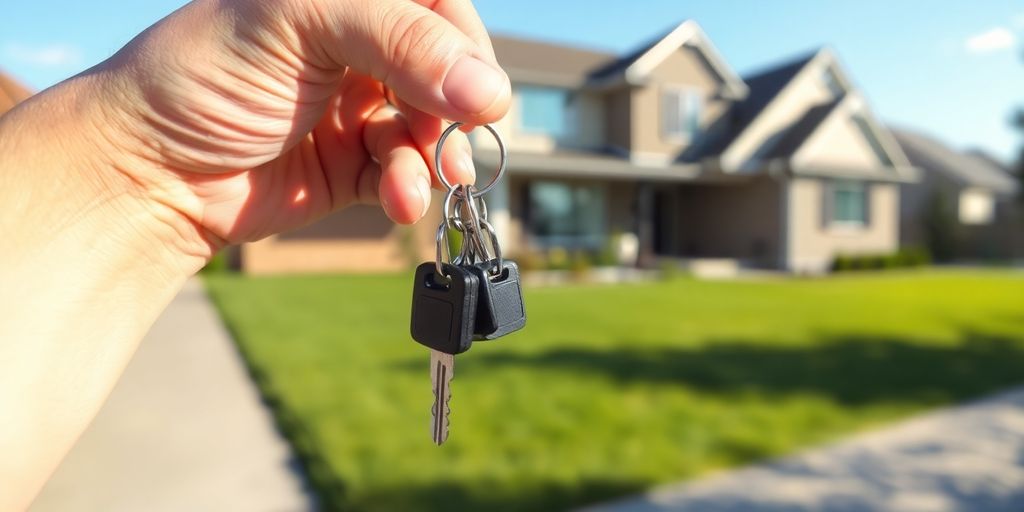
Okay, so you've made it this far! You've found a place, you've been renting, and now it's time to actually buy the home. This is where things get really exciting (and maybe a little nerve-wracking). Let's break down the steps to make it official.
Exercising Your Purchase Option
This is the big moment. You need to formally notify the seller that you intend to buy the property. Check your rent-to-own agreement for the exact procedure. Usually, it involves a written notice delivered within a specific timeframe. Missing this deadline could mean losing your option to buy, so pay close attention to the dates!
Securing Mortgage Financing
Unless you're planning to pay cash (lucky you!), you'll need a mortgage. Start the application process early. Gather all your financial documents: bank statements, pay stubs, tax returns, etc. Shop around for the best interest rates and terms. Don't be afraid to talk to multiple lenders. Remember those rent credits you've been accumulating? They can help with your down payment!
Completing the Appraisal Process
The lender will require an appraisal to determine the fair market value of the property. This protects them (and you!) from overpaying. If the appraisal comes in lower than the agreed-upon purchase price, you might need to renegotiate with the seller or walk away. It's a good idea to get an appraisal done when you sign the rent to own contract and make the option contingent on the property appraising at or above the purchase price.
Navigating the Closing Procedures
Closing is the final step in transferring ownership. It involves a lot of paperwork and signatures. A closing agent (usually from a title company) will guide you through the process. Be prepared to pay closing costs, which can include things like title insurance, recording fees, and attorney fees.
Transferring Property Ownership
At closing, the seller will transfer the deed to you, officially making you the homeowner! The deed is then recorded with the local government to document the change in ownership.
Understanding Closing Costs
Closing costs can add up, typically ranging from 2% to 5% of the loan amount. These costs cover various fees associated with the mortgage and property transfer. Make sure you have a clear understanding of all the associated costs before finalizing the purchase.
Finalizing Legal Documents
Review all the legal documents carefully before signing. This includes the mortgage agreement, the deed, and any other relevant paperwork. If you're unsure about anything, consult with a real estate attorney. It's better to be safe than sorry!
Celebrating Homeownership
You did it! You're officially a homeowner. Take a moment to celebrate your accomplishment. It's been a long journey, but you've reached your goal. Enjoy your new home!
Comparing Rent-to-Own to Traditional Mortgages
Okay, so you're thinking about buying a home, but you're not sure if a traditional mortgage is the right path for you. Maybe you've heard about rent-to-own and are wondering how it stacks up. Let's break down the key differences between these two options to help you figure out what works best for your situation.
Differences in Upfront Costs
With a traditional mortgage, you're looking at a significant chunk of change upfront. We're talking down payments (usually a percentage of the home's price), closing costs (fees for appraisals, title searches, etc.), and other expenses. It can be a real barrier for many people. Rent-to-own, on the other hand, typically requires a smaller initial investment. You'll likely pay an option fee, which gives you the right to purchase the property later, and maybe a slightly higher rent than usual. This can make it more accessible if you don't have a ton of savings right now.
Flexibility of Payment Structures
Traditional mortgages have pretty rigid payment structures. You get a fixed or adjustable interest rate, and you make monthly payments for a set number of years. There's not a lot of wiggle room. Rent-to-own offers a bit more flexibility. While you'll still have a monthly rent payment, a portion of that might go toward the eventual purchase price of the home. This "rent credit" can help you build equity while you're still renting. Plus, you have time to improve your financial situation before needing to secure a full mortgage.
Credit Score Requirements
This is a big one. Traditional mortgages usually require a decent credit score. If your credit is less than stellar, you might have trouble getting approved, or you might end up with a higher interest rate. Rent-to-own can be a good option if you're working on improving your credit score. You can get into a home now and use the rental period to build a solid payment history, which can boost your score over time.
Timeframe to Ownership
With a traditional mortgage, you own the home from day one. You're responsible for all the costs and responsibilities of homeownership right away. Rent-to-own offers a more gradual transition. You have a set rental period (usually one to three years) before you're obligated to buy the property. This gives you time to get to know the neighborhood, save more money, and make sure the home is really right for you.
Risk Profiles Compared
Both options come with risks. With a traditional mortgage, you risk foreclosure if you can't keep up with payments. With rent-to-own, you risk losing your option fee and any rent credits you've accumulated if you decide not to buy the home at the end of the lease. It's important to weigh these risks carefully and understand the terms of your agreement.
Accessibility for Diverse Buyers
Traditional mortgages can be tough to get if you have a limited credit history, a low down payment, or other financial challenges. Rent-to-own can open doors for people who might not qualify for a traditional mortgage right away. It offers a pathway to homeownership for those who are working to improve their financial situation.
Long-Term Financial Implications
In the long run, a traditional mortgage can be a great way to build equity and wealth. You're paying off a loan, and the value of your home may increase over time. Rent-to-own can also lead to equity, but it's important to consider the purchase price agreed upon in the contract. If the market value of the home drops, you might end up paying more than it's worth. Also, remember that you're paying rent during the rental period, which doesn't directly contribute to your equity until you exercise your purchase option.
Choosing the Right Path
Ultimately, the best choice depends on your individual circumstances. If you have good credit, a solid down payment, and are ready for the responsibilities of homeownership, a traditional mortgage might be the way to go. If you need time to improve your credit, save money, or test out a neighborhood, rent-to-own could be a good alternative. Just be sure to do your research, understand the terms of the agreement, and get professional advice before making a decision.
Rent-to-own agreements can be a solid option for those not quite ready for a traditional mortgage. They offer a unique blend of renting and buying, allowing potential homeowners to transition into ownership while addressing financial hurdles. However, it's vital to approach these agreements with caution, understanding all terms and potential risks involved.
Optimizing Your Search for Homes Rent to Own
Finding a rent-to-own home can feel like searching for a needle in a haystack, but with the right approach, you can significantly increase your chances of success. It's all about being strategic and persistent. Let's explore some ways to make your search more effective.
Defining Your Ideal Home
Before you even start browsing listings, take some time to really think about what you want in a home. What are your must-haves versus your nice-to-haves? Consider things like the number of bedrooms and bathrooms, yard size, and any specific features that are important to you. Having a clear picture of your ideal home will help you narrow down your search and avoid wasting time on properties that don't meet your needs. This also helps real estate agents understand your needs better.
Setting a Realistic Budget
It's easy to get caught up in the excitement of finding a potential home, but it's crucial to be realistic about what you can afford. Calculate how much you can comfortably spend each month on rent, option fees, and potential maintenance costs. Don't forget to factor in future mortgage payments when you eventually exercise your purchase option. Sticking to a budget will prevent financial strain down the road.
Prioritizing Location Preferences
Location, location, location! This old saying still rings true. Think about what's important to you in terms of location. Do you want to be close to work, schools, family, or certain amenities? Consider the commute time, safety of the neighborhood, and overall convenience of the location. Drive around different areas to get a feel for them before committing to a rent-to-own agreement.
Utilizing Online Search Filters
Online real estate portals can be a great resource for finding rent-to-own listings, but you need to know how to use them effectively. Take advantage of search filters to narrow down your results based on your specific criteria, such as price range, location, number of bedrooms, and other features. Be sure to check multiple websites and update your search regularly, as new listings are constantly being added.
Staying Updated on New Listings
The rent-to-own market can be competitive, so it's important to stay on top of new listings as they become available. Set up email alerts or notifications from real estate websites to be notified when new properties that match your criteria are listed. This will give you a head start and increase your chances of finding the perfect home before someone else does.
Expanding Your Search Radius
Don't limit yourself to a small geographic area. Consider expanding your search radius to include nearby towns or neighborhoods that you may not have initially considered. You might be surprised at what you find just a little further out. Be open to exploring different options and compromising on some of your preferences if necessary.
Networking with Industry Professionals
Real estate agents, mortgage brokers, and other industry professionals can be valuable resources in your search for a rent-to-own home. Reach out to people in your network and let them know what you're looking for. They may have access to off-market listings or be able to connect you with property owners who are considering rent-to-own agreements.
Being Prepared to Act Quickly
When you find a rent-to-own property that you're interested in, be prepared to act quickly. Have your finances in order, be ready to schedule a viewing, and be prepared to make an offer if you like the property. The best deals don't stay on the market for long, so it's important to be decisive and proactive.
Finding the right rent-to-own home requires a combination of research, planning, and persistence. By defining your ideal home, setting a realistic budget, and utilizing the resources available to you, you can increase your chances of finding a property that meets your needs and helps you achieve your homeownership goals.
Common Pitfalls to Avoid in Rent-to-Own

Rent-to-own agreements can seem like a golden ticket to homeownership, especially if you're struggling with credit or savings. But like any major financial decision, it's important to go in with your eyes wide open. There are definitely some potholes on the road to rent-to-own success, and knowing what they are can save you a lot of heartache (and money) down the line.
Unclear Contract Terms
This is probably the biggest one. If you don't understand every single line of the contract, don't sign it. Seriously. Get a lawyer to look it over. It's easy to get lost in the legal jargon, and you need to know exactly what your obligations are, what happens if you can't make a payment, and what the process is for actually buying the house. Ambiguity is your enemy here.
Insufficient Financial Preparation
Rent-to-own doesn't magically make you financially ready for homeownership. You still need to budget, save, and manage your money wisely. Don't assume that the rent credits will cover everything. You'll likely still need a down payment, and you'll definitely need to qualify for a mortgage when the time comes.
Ignoring Property Inspections
Skipping the inspection to save a few bucks is a HUGE mistake. You need to know the condition of the property before you commit to buying it. What if the foundation is cracked? What if the roof needs replacing? These are things you need to know upfront, so you can negotiate repairs or walk away if necessary.
Overlooking Hidden Costs
Beyond the rent and option fee, there can be other costs lurking in the shadows. Who's responsible for maintenance and repairs? Are there HOA fees? What about property taxes? Make sure you factor in all these potential expenses when you're crunching the numbers.
Failing to Improve Credit
Rent-to-own can give you time to improve your credit score, but it won't happen automatically. You need to be proactive about paying your bills on time, reducing your debt, and addressing any errors on your credit report. Don't waste this opportunity!
Not Seeking Professional Advice
Don't go it alone! Talk to a real estate agent who specializes in rent-to-own, a financial advisor, and a real estate attorney. They can help you understand the process, negotiate favorable terms, and protect your interests.
Entering Unrealistic Agreements
Be honest with yourself about what you can afford. Don't agree to a rent payment or purchase price that stretches you too thin. Remember, you'll also need to save for a down payment and closing costs. It's better to start with a more modest home that you can comfortably afford than to overextend yourself and risk losing everything.
Misunderstanding Responsibilities
Know who is responsible for what. Is it you or the seller? Make sure the contract clearly outlines who handles maintenance, repairs, property taxes, and insurance. A misunderstanding here can lead to major headaches and financial strain.
Rent-to-own agreements can be a great way to get into homeownership, but they're not without risk. By being aware of these common pitfalls and taking steps to avoid them, you can increase your chances of success and achieve your dream of owning a home.
Here's a quick recap of potential issues:
- Unclear contract terms
- Insufficient financial preparation
- Ignoring property inspections
- Overlooking hidden costs
- Failing to improve credit
Building Equity with Rent-to-Own
Rent-to-own agreements can be a pretty interesting way to get into homeownership, especially if you're not quite ready for a traditional mortgage. One of the coolest parts is the potential to build equity while you're still renting. It's not as straightforward as buying a house outright, but it can be a solid stepping stone.
Understanding Equity Accumulation
Equity is basically the portion of the home that you truly own. With a regular mortgage, you build equity as you pay down the loan and as the property value goes up. In a rent-to-own situation, equity accumulation works a bit differently. You're not directly paying down a mortgage at first, but you can still build equity through rent credits and the potential for the property to increase in value.
Impact of Rent Credits
Rent credits are a portion of your monthly rent that goes toward the eventual purchase price of the home. Let's say you're paying $1,500 a month, and $200 of that is a rent credit. Over a year, that's $2,400 that's essentially building your initial equity. It's like a forced savings plan, which can be super helpful if you struggle to save on your own.
Benefits of Fixed Purchase Price
One of the biggest perks of a rent-to-own agreement is often locking in a purchase price upfront. This can be a huge advantage if the market is on the rise. If you agree to buy the house for $200,000, and in a few years it's worth $250,000, you've instantly gained $50,000 in potential equity (minus any rent credits you've already received and other costs, of course!).
Leveraging Property Appreciation
If the property value increases during your lease period, that's a major win. Even if you haven't officially bought the house yet, that appreciation is working in your favor. It increases your potential equity and makes the eventual purchase even more worthwhile. Just keep in mind that property values can also go down, so it's not a guaranteed thing.
Long-Term Financial Gains
Over the long haul, building equity through rent-to-own can lead to some serious financial gains. You're not just throwing money away on rent; you're investing in your future home. Plus, once you do buy the house, you'll continue to build equity through mortgage payments and further appreciation.
Pathway to Wealth Building
Homeownership is often touted as a key way to build wealth, and rent-to-own can be a pathway to get there. By accumulating equity, you're increasing your net worth and setting yourself up for a more secure financial future. It's not a get-rich-quick scheme, but it's a solid, long-term strategy.
Strategic Investment Opportunities
Think of rent-to-own as a strategic investment. You're investing in a property that you hope will appreciate in value, and you're using your rent payments to build equity. It's a way to get your foot in the door of the real estate market without needing a huge down payment upfront.
Future Financial Security
Ultimately, building equity with rent-to-own is about creating future financial security. You're not just buying a home; you're building an asset that can provide stability and wealth for years to come. It's a big step, but it can be a really rewarding one.
Rent-to-own agreements can be a great way to get into a home, but it's super important to understand all the details. Make sure you know how the rent credits work, what happens if you decide not to buy, and what your responsibilities are for maintenance and repairs. Getting legal advice is always a good idea to protect yourself.
The Future of Rent-to-Own Housing
The rent-to-own market is changing, and it's important to understand where it's headed if you're considering this path to homeownership. Several factors are contributing to its evolution, from technological advancements to shifts in the housing market and evolving legal frameworks. Let's take a look at what the future might hold.
Growing Popularity of Agreements
Rent-to-own agreements are gaining traction as a viable option for individuals who face challenges in securing traditional mortgages. This increased popularity is driven by the desire for homeownership among those who may have credit issues, limited savings, or difficulty meeting strict lending requirements. As the housing market continues to fluctuate, rent-to-own provides a flexible alternative, allowing potential buyers to enter the market without the immediate pressure of a full mortgage commitment.
Innovations in Rent-to-Own Programs
We're seeing some cool new approaches to rent-to-own that are making it more accessible and user-friendly. Companies are using technology to streamline the process, offer more transparent terms, and provide better support for renters looking to become homeowners. These innovations aim to address some of the traditional pitfalls of rent-to-own, such as unclear contracts and lack of financial guidance. For example, some programs now offer credit counseling and homebuyer education as part of the agreement.
Government Initiatives and Support
Government agencies are starting to recognize the potential of rent-to-own as a tool for increasing homeownership rates, especially among underserved communities. This recognition could lead to new initiatives and support programs designed to make rent-to-own more accessible and sustainable. These initiatives might include financial assistance for down payments, legal aid for contract review, and regulations to protect the rights of both renters and property owners. Keep an eye out for potential changes in policy that could impact the rent-to-own landscape.
Market Trends and Forecasts
The rent-to-own market is influenced by broader economic trends, such as interest rates, housing prices, and employment rates. Experts predict continued growth in the rent-to-own sector, driven by the increasing demand for affordable housing and flexible financing options. However, it's important to stay informed about market forecasts and potential risks, such as fluctuations in property values and changes in lending policies. Understanding these trends can help you make informed decisions and navigate the rent-to-own process with confidence.
Accessibility for More Buyers
One of the most promising aspects of the future of rent-to-own is its potential to become more accessible to a wider range of buyers. As programs evolve and become more flexible, they can cater to individuals with diverse financial situations and credit histories. This increased accessibility could help bridge the gap between renting and homeownership, providing a pathway for those who might otherwise be excluded from the housing market. The key is to ensure that these programs are fair, transparent, and sustainable for all participants.
Evolving Legal Frameworks
The legal landscape surrounding rent-to-own agreements is constantly evolving, with new regulations and court decisions shaping the rights and responsibilities of both renters and property owners. It's crucial to stay informed about these changes and seek legal counsel to ensure that your rent-to-own contract complies with all applicable laws. As the rent-to-own market grows, we can expect to see further developments in legal frameworks aimed at protecting consumers and promoting fair practices.
Technological Advancements in Search
Finding rent-to-own properties is becoming easier thanks to technological advancements in online search platforms. Websites and apps are now offering more sophisticated search filters, allowing you to narrow down your options based on location, price range, property type, and other criteria. These tools can save you time and effort in your search for the perfect rent-to-own home. Plus, some platforms are using AI to match potential buyers with suitable properties based on their individual needs and preferences.
Sustainable Homeownership Models
Looking ahead, the rent-to-own model is likely to evolve towards more sustainable and equitable practices. This includes a greater emphasis on financial literacy, responsible lending, and consumer protection. By promoting sustainable homeownership, rent-to-own can become a valuable tool for building wealth and creating stable communities. The goal is to ensure that rent-to-own is not just a temporary solution, but a long-term pathway to financial security and homeownership.
Rent-to-own agreements are becoming increasingly popular, especially for those who struggle with traditional mortgages. The future looks bright, with innovations and government support potentially making it more accessible. However, staying informed about market trends and legal changes is crucial for success.
Here's a quick look at how rent-to-own is trending:
- More flexible programs are emerging.
- Technology is streamlining the search process.
- Legal frameworks are evolving to protect consumers.
As more people explore this option, understanding these trends is key to making informed decisions. For example, you can purchase their dream homes with rent-to-own agreements.
Resources for Rent-to-Own Seekers
Online Platforms and Databases
Finding a rent-to-own property can feel like searching for a needle in a haystack, but thankfully, there are online resources to help. Several websites specialize in listing rent-to-own homes, making your search much easier. These platforms often allow you to filter by location, price range, and other criteria. Zillow, Trulia, and even Craigslist can sometimes have rent-to-own listings, though it's important to verify the legitimacy of any listing you find on a less specialized site.
Real Estate Professional Directories
Working with a real estate agent experienced in rent-to-own deals can be a game-changer. But how do you find one? Professional directories are a great place to start. These directories, often maintained by real estate associations, allow you to search for agents by specialty and location.
- Check the National Association of Realtors (NAR) website.
- Look for local real estate boards in your area.
- Ask for recommendations from friends or family.
Financial Counseling Services
Rent-to-own agreements can be complex, and it's easy to get lost in the details. That's where financial counseling comes in. These services can help you understand the financial implications of a rent-to-own agreement, create a budget, and improve your credit score. Many non-profit organizations offer free or low-cost financial counseling.
Financial counseling can provide clarity and direction as you consider rent-to-own. They can help you assess your financial readiness and avoid potential pitfalls.
Legal Aid for Contracts
Before signing any rent-to-own contract, it's crucial to have it reviewed by a qualified attorney. Legal aid services can provide this assistance, especially for those with limited financial resources. They can help you understand your rights and obligations under the contract and ensure that it's fair and legally sound. Don't skip this step – it could save you a lot of headaches down the road.
Homebuyer Education Programs
Many communities offer homebuyer education programs designed to help first-time homebuyers navigate the process. These programs often cover topics such as budgeting, credit repair, mortgage financing, and home maintenance. While not always specific to rent-to-own, the information they provide can be invaluable in preparing you for homeownership. Look for programs offered by non-profit organizations, community colleges, or government agencies.
Community Housing Organizations
Community housing organizations often have resources and programs to help people find affordable housing options, including rent-to-own. These organizations may offer counseling, workshops, and even direct assistance with finding properties. They often have a deep understanding of the local housing market and can connect you with opportunities you might not find on your own. Reach out to local non-profits focused on housing in your area.
Government Housing Resources
The government offers a variety of resources to help people find affordable housing, including rent-to-own options. The Department of Housing and Urban Development (HUD) website is a great place to start. HUD provides information on housing programs, rental assistance, and homeownership resources. Additionally, state and local governments may have their own programs and resources available. Check your state's housing agency website for more information.
Books and Guides on Rent-to-Own
Sometimes, the best way to learn is by reading up on the subject. Several books and guides can provide a deeper understanding of rent-to-own agreements. These resources can cover everything from the basics of rent-to-own to advanced strategies for negotiating contracts and building equity. Look for books at your local library or bookstore, or search for online guides and articles. Just be sure to check the publication date to ensure the information is up-to-date.
Making Your Rent-to-Own Dream a Reality
So, you've read all about rent-to-own, weighed the pros and cons, and you're ready to make it happen. That's awesome! But how do you actually turn this dream into reality? It's not just about finding a house; it's about setting yourself up for success every step of the way. It's about planning, preparation, and a whole lot of persistence. Let's break down the key things you need to do.
Setting Clear Goals
First things first: what does "success" look like to you? Don't just say "I want a house." Get specific. What kind of house? Where? What's your timeline? What are your absolute must-haves versus your nice-to-haves? Having clear goals will keep you motivated and focused when things get tough. It's easy to get discouraged during the search, but if you know exactly what you're working towards, you'll be more likely to stick with it.
Developing a Solid Plan
Okay, you know what you want. Now, how are you going to get there? This is where the plan comes in. This includes:
- Financial Assessment: Honestly evaluate your current financial situation. Credit score, debt, income, savings – know your numbers.
- Budgeting: Create a realistic budget that includes rent, option fees, potential maintenance costs, and savings goals.
- Credit Improvement: If your credit needs work, start now! Pay bills on time, reduce debt, and consider a secured credit card.
- Savings Strategy: Figure out how much you need to save for a down payment (even with rent credits) and closing costs. Automate your savings if possible.
Staying Persistent in Your Search
Finding the right rent-to-own home can take time and effort. Don't get discouraged if you don't find something right away. Keep searching, keep networking, and keep an open mind.
Building a Strong Support Team
Going it alone can be tough. Surround yourself with people who can offer support, advice, and encouragement. This could include:
- Real Estate Agent: Find an agent experienced in rent-to-own deals.
- Financial Advisor: Get help with budgeting, credit repair, and savings strategies.
- Legal Counsel: Have a lawyer review your contract before you sign anything.
- Friends and Family: Lean on your loved ones for emotional support.
Committing to Financial Discipline
This is huge. Rent-to-own is a commitment, and it requires financial discipline. Stick to your budget, pay your rent on time, and avoid taking on new debt. This will not only help you qualify for a mortgage later on but will also show the seller that you're a responsible tenant.
Embracing the Learning Process
There's a lot to learn about rent-to-own, from contract terms to home maintenance. Be open to learning new things and don't be afraid to ask questions. The more you know, the better prepared you'll be.
Celebrating Each Milestone
Don't forget to celebrate your progress along the way! Reaching a savings goal, improving your credit score, finding a promising property – these are all accomplishments worth celebrating. Recognizing your achievements will help you stay motivated and focused on your ultimate goal.
Enjoying Your New Home
Finally, the day arrives when you exercise your purchase option and become a homeowner! Take a moment to appreciate all the hard work and dedication that got you here. Enjoy your new home and the sense of accomplishment that comes with achieving your dream.
Rent-to-own can be a fantastic path to homeownership, but it's not a walk in the park. It requires careful planning, financial discipline, and a willingness to learn. But with the right approach, you can turn your dream of owning a home into a reality.
Wrapping It Up: Your Path to Homeownership
So, there you have it. Rent-to-own can be a pretty good way to get into your own place, especially if you're not quite ready for a regular mortgage. It gives you some breathing room to get your finances in order, maybe boost that credit score, and just generally get set up for buying a home. But remember, it's not a magic bullet. You really need to do your homework, understand all the details, and maybe even get some help from a real estate agent who knows this stuff. They can help you avoid problems and make sure you're getting a fair deal. With a bit of planning and the right information, that dream home might be closer than you think.
Frequently Asked Questions
What is a rent-to-own home?
A rent-to-own agreement lets you rent a home for a set time, with the option to buy it later. Part of your rent usually goes toward the down payment.
Who benefits most from rent-to-own?
It helps people who might not be ready to buy a home right away. This includes those who need to improve their credit, save for a down payment, or want to try out a neighborhood first.
How do I find rent-to-own homes near me?
You can find them through real estate agents who know about these deals, online listings, or by talking to landlords directly. Sometimes, even 'for sale by owner' homes might be open to it.
Why should I work with a real estate agent for rent-to-own?
A good real estate agent can help you find suitable homes, understand the contracts, and make sure you get a fair deal. They can also help you avoid common problems.
What should I look for when checking out a rent-to-own property?
Look at the home's condition, what's included, when it was built, and how good the neighborhood is. Think about schools, fun things to do, and job chances nearby.
What are the main costs involved in rent-to-own?
You'll likely pay an 'option fee' upfront, and some of your monthly rent might be saved as a 'rent credit' towards the purchase. You also need to plan for repairs and future mortgage costs.
What are the most important parts of a rent-to-own contract?
Make sure you understand how long the rental period is, what the purchase price will be, who pays for repairs, and what happens if you can't buy the home. Get a lawyer to check the contract.
How can I get ready to buy the home during the rent-to-own period?
While renting, work on making your credit score better, saving more money, and paying off debts. This will help you get approved for a mortgage when it's time to buy.
What are the risks and good things about rent-to-own?
You might lose your option fee if you don't buy the home, and the home's value could change. But you get to lock in a price, improve your credit, and build some home equity.
Should I get the home inspected?
Always get a professional home inspection. This helps you find any big problems with the house before you commit to buying it and can save you money on future repairs.
What happens when I'm ready to buy the home?
When you're ready, you'll use your purchase option, get a mortgage, and go through the closing process. This is when the home officially becomes yours.
How is rent-to-own different from a regular home purchase?
Rent-to-own can be a good path for those who need time to prepare for a mortgage. It's different from a regular mortgage because you live in the home first and build up your ability to buy it.