 English
 Spanish
 Russian
 French
 German
 Arabic
How to Sell Shoes Online and Maximize Your Profits in 2025
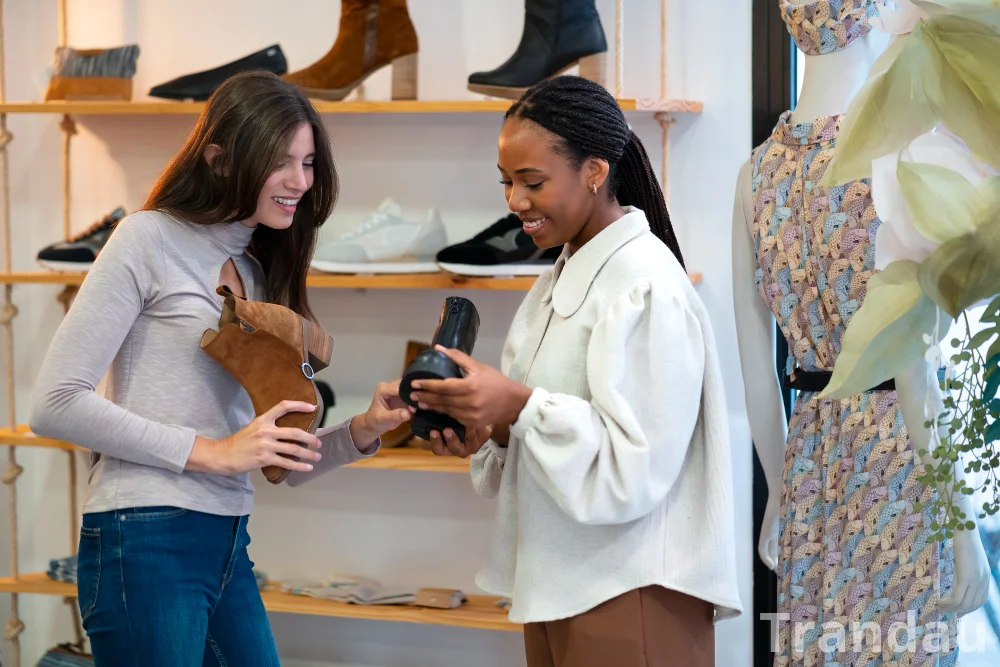
I’ve spent some time messing around with online shoe shops, and I figured I’d share the basics. In this guide, you’ll see how to sell shoes online in 2025 without overthinking every step.
Key Takeaways
- Define what makes your shoe store different so people know why to buy from you. This is how to sell shoes online and stand out from the crowd.
- Pick a specific shoe niche where buyers are hungry but sellers are few.
- Link up with reliable suppliers, local makers, or good liquidation deals to keep your stock in check.
- Build a simple, branded website that works on both desktop and mobile and has a secure checkout.
- Write clear listings with the right keywords, sharp photos, and short videos to show fit and style.
- Set prices that cover your costs, then test bundles, free shipping, or small discounts to boost your margin.
- Keep shoppers happy with quick support, easy returns, order tracking, and a small surprise in the box.
- Drive traffic with social posts, email campaigns, paid ads, and by selling on multiple sites like Amazon or eBay.
Crafting Your Unique Selling Proposition
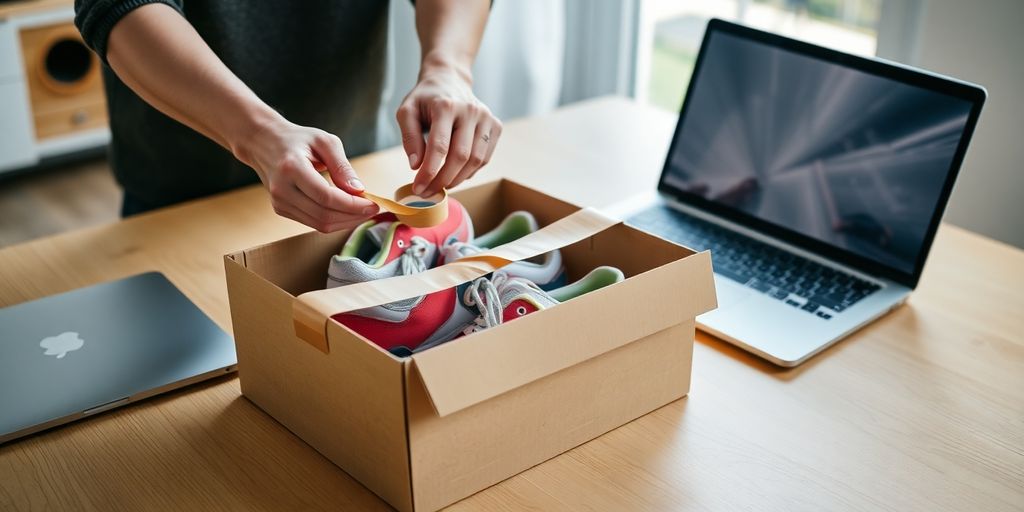
Okay, so you want to sell shoes online? Great! But here's the thing: everyone else does too. That's why you need a unique selling proposition (USP). It's what makes you, you. It's what makes customers choose your store over the thousands of others. Let's figure out how to make yours shine.
Identifying Customer Pain Points
What problems are your potential customers facing? Are they tired of shoes that fall apart after a month? Do they struggle to find shoes that fit their wide feet? Are they looking for something specific, like vegan running shoes? Understanding these pain points is the first step in crafting a USP that actually resonates. Do some research! Read reviews of other shoe brands, check out forums, and see what people are complaining about. Then, position your brand as the solution.
Defining Brand Values
What does your brand stand for? Are you all about sustainability? Are you focused on providing affordable footwear for everyone? Or are you dedicated to crafting high-end, luxury shoes? Your brand values should be authentic and guide every decision you make, from sourcing materials to designing your website. These values will attract customers who share those beliefs. For example, if you value sustainability, you might offer eco-friendly features in your product line.
Highlighting Product Benefits
Don't just list features; explain the benefits. Instead of saying "These shoes have memory foam," say "These shoes will make you feel like you're walking on clouds all day long!" Focus on how your shoes will improve your customers' lives. Will they be more comfortable? Will they perform better during workouts? Will they look more stylish? Make it clear and compelling.
Showcasing Eco-Friendly Features
More and more customers care about the environment. If your shoes are made from recycled materials, ethically sourced, or produced in a sustainable way, shout it from the rooftops! Highlight these features in your product descriptions, on your website, and in your marketing materials. Consider getting certifications to back up your claims. Transparency is key here. People are savvy and can spot greenwashing a mile away.
Leveraging Limited Edition Releases
Create a buzz and drive sales by offering limited edition shoe releases. These could be collaborations with artists, unique colorways, or special designs. The scarcity factor creates a sense of urgency and exclusivity, encouraging customers to buy now before they miss out. Make sure to promote these releases heavily on social media and through email marketing.
Emphasizing Quality Assurance
In a world of fast fashion and cheap knockoffs, quality matters. If your shoes are made to last, emphasize that! Talk about the materials you use, the construction methods, and the rigorous testing you put your shoes through. Offer warranties or guarantees to give customers peace of mind. A strong quality assurance message can be a major differentiator.
Designing Standout Packaging
Don't underestimate the power of packaging! It's the first physical interaction your customers will have with your brand. Make it memorable. Invest in high-quality materials, unique designs, and thoughtful details. Consider including a handwritten note or a small gift to create a personal touch. The unboxing experience can be a powerful marketing tool.
Selecting Profitable Shoe Niches
To really make money selling shoes online, you can't just sell any shoe. You need to find a niche. This means focusing on a specific segment of the market. It makes things easier to manage and helps you target your marketing efforts.
Researching Market Demand
Before you invest in any inventory, figure out what people actually want to buy. Look at current trends, popular styles, and overall demand for different types of shoes. Tools like Amazon’s Product Opportunity Explorer can help you research prices and identify products with high profit potential. This tool can reveal top search terms, search volume growth, units sold, and the total number of products.
Evaluating Competition Levels
Once you know what's popular, see who else is selling it. If a market is oversaturated, it's going to be tough to stand out. Look for niches where there's demand, but not too much competition. This is where you can really shine. You can also use Amazon’s Product Opportunity Explorer to research prices and identify products with high profit potential. This tool can reveal top search terms, search volume growth, units sold, and the total number of products.
Identifying Underserved Segments
Think about groups of people whose needs aren't being fully met. Maybe it's a specific size, a particular style, or a unique feature. Finding these underserved segments can give you a competitive edge. For example, the rise of eco-friendly fashion has increased the need for secondhand or vintage shoes.
Targeting Sustainable Footwear
More and more people care about the environment. Selling shoes made from recycled materials, or promoting ethical production practices, can attract a loyal customer base. This is a growing market with a lot of potential. Consider how to price used shoes for online sale to tap into this market.
Focusing on Athletic Performance
Athletes are always looking for the latest and greatest gear. Specializing in shoes for specific sports, or offering features that enhance performance, can be a winning strategy. Think about running shoes, basketball shoes, or even specialized footwear for activities like hiking or cross-training.
Catering to Luxury Sneaker Enthusiasts
The sneaker resale market is huge. Collectors are willing to pay big bucks for rare or limited-edition sneakers. If you know your stuff and can authenticate high-end shoes, this could be a very profitable niche. Just be prepared to deal with high expectations and a discerning customer base.
Exploring Custom Design Opportunities
Letting customers design their own shoes is a great way to stand out. This could involve offering different colors, materials, or even personalized embroidery. Customization adds value and creates a unique product that people are willing to pay more for. Consider choosing the right platforms to sell footwear online to showcase these custom designs.
Identifying a niche helps you target a specific audience and create value. Market analysis is vital in finding which niches would be profitable. It is easier to make more money from selling shoes when focusing on every category. Always be on the lookout for new developing trends or poorly served areas.
By focusing on a specific niche, you can better manage your inventory, create targeted listings, and build a loyal customer base. Always stay updated on current fashion trends because being knowledgeable on what shoes would sell will lead to great outcomes. This knowledge helps you select the right marketplace where your customers frequent. Remember to consider How to sell shoes online effectively by using different online platforms and marketing techniques.
Sourcing High-Quality Inventory
Finding the right shoes to sell is super important. You can't just grab anything; you need stuff that people actually want and that will last. It's like building a house – you need a solid foundation, and in this case, that's your inventory.
Partnering with Reliable Wholesalers
Wholesalers are your bread and butter. Find ones that have a good reputation and offer consistent quality. It's worth spending time researching and maybe even visiting them in person if you can. Check reviews, ask for references, and don't be afraid to negotiate prices. A good wholesaler can be a long-term partner.
Attending Industry Trade Shows
Trade shows are like a candy store for shoe sellers. You get to see all the latest styles, meet suppliers face-to-face, and get a feel for what's trending. Plus, you can often snag some sweet deals. It's a great way to network and find unique products that your competitors might not have. I always come back with a ton of new ideas and contacts.
Leveraging Local Artisan Networks
If you're looking for something different, consider working with local artisans. They can offer handmade, unique shoes that you won't find anywhere else. This is a great way to stand out from the crowd and appeal to customers who value craftsmanship and supporting small businesses. It might take more effort to manage, but the payoff can be huge.
Securing Liquidation Deals
Liquidation deals can be a goldmine if you know what you're doing. Stores that are closing down or overstocked often sell their inventory at deep discounts. You can get some amazing deals, but you need to be quick and careful. Inspect the shoes thoroughly before you buy them, and make sure you can still sell them for a profit.
Evaluating Product Authenticity
In today's market, you have to be extra careful about fake products. Especially with sneakers and designer shoes, there are a lot of counterfeits out there. Make sure you know how to spot a fake, and only buy from trusted sources. Your reputation is on the line, and selling fake shoes can get you into serious trouble. Consider using authentication services when needed.
Managing Supplier Relationships
Treat your suppliers well, and they'll treat you well. Communicate clearly, pay on time, and build a relationship with them. The better your relationship, the more likely they are to give you good deals, priority access to new products, and help you out when things go wrong. It's a two-way street.
Exploring Secondhand Channels
Don't overlook the secondhand market. There's a growing demand for vintage and pre-owned shoes, especially if they're in good condition. You can find some real gems at thrift stores, consignment shops, and online marketplaces. Just make sure to clean and repair them before you sell them.
Sourcing high-quality inventory is not just about finding shoes; it's about building a sustainable and profitable business. It requires research, due diligence, and strong relationships with your suppliers. By focusing on quality and authenticity, you can build a brand that customers trust and keep coming back to.
Building a Branded Online Store
Alright, so you've got your shoes, you've got your niche, now it's time to build your online store. This is where you create a digital space that reflects your brand and makes customers want to buy. It's more than just slapping up some product photos; it's about crafting an experience.
Choosing an E-Commerce Platform
Selecting the right e-commerce platform is critical. You've got options like Shopify, WooCommerce, BigCommerce, and others. Each has its pros and cons in terms of pricing, features, and ease of use. Think about what you need now and what you might need as you grow. Do you want something super simple to start, or do you need advanced customization options right away? Consider these points:
- Ease of Use: How comfortable are you with tech?
- Scalability: Can the platform grow with your business?
- Pricing: What are the monthly fees and transaction costs?
- Features: Does it have the tools you need for marketing, inventory management, and customer support?
Selecting a Memorable Domain
Your domain name is your online address, so make it count. It should be easy to remember, easy to spell, and relevant to your brand. Avoid hyphens and numbers if possible. Check if your desired domain name is available as a trademarkable brand name to avoid legal issues down the road. A good domain can make a huge difference in brand recognition.
Customizing Storefront Design
Your storefront is your digital showroom. It needs to be visually appealing and easy to navigate. Use high-quality images, a consistent color scheme, and a clear layout. Think about the user experience – can customers easily find what they're looking for? A well-designed storefront builds trust and encourages sales. Consider these elements:
- Homepage: Make a strong first impression.
- Product Pages: Showcase your shoes with detailed descriptions and multiple images.
- Navigation: Ensure easy browsing and search functionality.
Ensuring Mobile Responsiveness
Most people shop on their phones, so your store must be mobile-friendly. A responsive design adapts to different screen sizes, providing a seamless experience on any device. Test your store on various phones and tablets to make sure everything looks and works correctly. If your site isn't mobile-friendly, you're losing sales.
Configuring Secure Checkout
Security is paramount. Customers need to feel safe when entering their payment information. Use an SSL certificate to encrypt data and display trust badges to reassure customers. A smooth and secure checkout process reduces cart abandonment and builds trust. Here's what to consider:
- SSL Certificate: Essential for secure transactions.
- Clear Security Policies: Be transparent about how you protect customer data.
- Easy Checkout Process: Minimize the number of steps required to complete a purchase.
Integrating Payment Gateways
Offer multiple payment options to cater to different customer preferences. Popular payment gateways include PayPal, Stripe, and Authorize.net. Make sure the payment gateway integrates seamlessly with your e-commerce platform and offers competitive transaction fees. The easier it is for customers to pay, the more likely they are to complete their purchase.
Implementing Brand Consistency
Brand consistency is key to building a recognizable and trustworthy brand. Use the same logo, colors, fonts, and voice across your website, social media, and marketing materials. This creates a cohesive brand identity that resonates with customers and reinforces your brand message. Think of it like this:
Your brand is more than just a logo; it's the overall feeling and experience customers have when they interact with your business. Consistency builds trust and helps customers remember you.
Here's a simple table to illustrate the importance of brand consistency:
| Element | Consistent | Inconsistent |
|---|---|---|
| Logo | Same logo across all platforms | Different logos on different platforms |
| Color Scheme | Consistent colors on website and ads | Random colors, no clear theme |
| Voice/Tone | Same tone in all communications | Varying tones, confusing message |
| Customer Service | Consistent policies and response times | Inconsistent policies, slow responses |
By focusing on these elements, you can build an online store that not only looks great but also drives sales and builds a loyal customer base. Remember, it's all about creating a positive and memorable experience for your customers.
Optimizing Product Listings for Visibility
Conducting Keyword Research
Before you even think about writing a product description, you need to know what people are searching for. Keyword research is the foundation of optimizing product listings for footwear sales. Use tools to find relevant keywords with high search volume and low competition. Think about long-tail keywords too – those longer, more specific phrases that customers use when they have a clear idea of what they want.
Crafting Compelling Titles
Your title is the first thing potential customers see, so make it count. Include your primary keyword, brand name (if applicable), and key features. Keep it concise and easy to read. Avoid overly promotional language or unnecessary jargon. A good title grabs attention and accurately describes the product.
Writing Detailed Descriptions
This is your chance to sell the shoe! Go beyond basic features and highlight the benefits. What problems does this shoe solve? Who is it for? Use descriptive language to paint a picture in the customer's mind. Include details about materials, construction, and care instructions. Break up long paragraphs with bullet points to make it easier to read.
Uploading High-Quality Images
In the world of online shopping, images are everything. Use high-resolution photos that showcase the shoe from multiple angles. Include close-ups of important details like stitching or texture. Make sure your images are well-lit and professionally edited. Consider using a white background for a clean, consistent look.
Incorporating Video Demonstrations
Video can be a game-changer. A short video demonstrating the shoe's features, fit, or style can significantly increase conversion rates. Show the shoe in action – walking, running, or being styled with different outfits. Keep the video concise and engaging.
Utilizing Alt Text Strategically
Alt text is not just for accessibility; it's also a valuable SEO tool. Write descriptive alt text for each image, using relevant keywords. This helps search engines understand what the image is about and can improve your listing's visibility.
Structuring Bullet Point Features
Customers often skim product descriptions, so make it easy for them to find the information they need. Use bullet points to highlight key features and benefits. Keep the bullet points concise and easy to read. Focus on the most important selling points.
Pricing Strategies to Maximize Margins
Alright, let's talk about money. Specifically, how to price your shoes so you actually make some. It's not just about slapping a number on a box; it's a whole thing. You need to think about costs, competition, and what people are willing to pay. It can feel like a balancing act, but getting your pricing right is essential for a healthy business.
Analyzing Competitor Pricing
First things first, see what everyone else is doing. What are similar shoes selling for? Don't just look at the big guys; check out smaller shops too. This gives you a baseline. You don't always have to be the cheapest, but you need to know where you stand. For example, if you're selling global sportswear, see what the going rate is for similar items.
Applying Cost-Plus Methods
This is pretty straightforward. Figure out how much it costs you to get the shoes (including shipping, fees, etc.), then add a percentage on top for your profit. It's a simple way to make sure you're covering your expenses and making some money. The trick is figuring out what percentage is reasonable.
Testing Value-Based Pricing
This is where you think about what the shoes are worth to the customer. Are they a limited edition? Do they have special features? Are they super trendy? If so, you might be able to charge more. It's all about perceived value. You might test different price points to see what the market will bear.
Offering Bundled Deals
People love a good deal. Consider bundling shoes with accessories like socks, shoe cleaner, or laces. This can increase your average order value and make customers feel like they're getting a steal.
Implementing Dynamic Adjustments
Don't set your prices and forget about them. The market changes, trends come and go, and your inventory fluctuates. Be ready to adjust your prices based on demand, competitor actions, and your own stock levels.
Setting Free Shipping Thresholds
Free shipping is a huge motivator for online shoppers. Consider offering free shipping on orders over a certain amount. This encourages customers to buy more to reach that threshold.
Timing Seasonal Discounts
Take advantage of holidays, back-to-school season, and other events to offer discounts. This can drive sales and clear out old inventory. Just make sure you're not constantly discounting, or people will start to expect it.
Pricing is part art, part science. Don't be afraid to experiment and see what works best for your business. Track your sales, monitor your margins, and adjust as needed. The goal is to find that sweet spot where you're making a profit and keeping your customers happy.
Enhancing Customer Experience
It's no secret that happy customers are repeat customers. And repeat customers are what keep a business going! So, how do you make sure your shoe-buying customers are actually happy? It's about more than just selling them a pair of shoes; it's about the whole experience.
Providing Multiple Support Channels
Don't make customers jump through hoops to get help. Offer support through various channels. Think email, phone, live chat, and even social media. The easier it is for them to reach you, the better. Make sure your team is trained to handle inquiries promptly and professionally. A quick response can turn a potential negative into a positive.
Personalizing Shopping Journeys
Generic experiences are boring. Use data to personalize the shopping journey. Recommend shoes based on past purchases, browsing history, or even location. Send personalized emails with exclusive offers. This shows customers you value them as individuals, not just another sale.
Streamlining Return Processes
Returns are a part of the business, but they don't have to be a pain. Make the return process as easy as possible. Offer free returns, provide clear instructions, and process refunds quickly. A hassle-free return can turn a disappointed customer into a loyal one. I know I'm more likely to buy from a place if I know returns won't be a nightmare.
Offering Loyalty Rewards
Reward your loyal customers with exclusive perks. This could be discounts, early access to new releases, or even free shipping. A loyalty program shows customers you appreciate their business and encourages them to keep coming back. It's like a virtual high-five for being awesome customers.
Enabling Gift Wrapping Options
Sometimes, people buy shoes as gifts. Make it easy for them to send a beautifully wrapped present. Offer gift wrapping options at checkout. This adds a touch of elegance and makes the gift feel extra special. It's a small thing that can make a big difference.
Sending Order Tracking Updates
Nobody likes to be left in the dark. Keep customers informed about the status of their order. Send regular tracking updates so they know when to expect their shoes. This builds trust and reduces anxiety. It's like a little breadcrumb trail of excitement leading to their new shoes.
Designing Memorable Unboxing
First impressions matter. Make the unboxing experience memorable. Use branded packaging, include a handwritten note, or even throw in a small freebie. This creates a positive association with your brand and encourages customers to share their experience on social media. It's like a mini-celebration in a box!
Customer experience is everything. It's the sum of all interactions a customer has with your brand, from the moment they land on your website to the moment they slip on their new shoes. Make every interaction count, and you'll be well on your way to building a loyal customer base.
Here's a quick look at how different aspects of customer experience can impact your bottom line:
| Aspect | Impact |
|---|---|
| Easy Returns | Increased customer loyalty |
| Personalized Offers | Higher conversion rates |
| Fast Shipping | Improved customer satisfaction |
| Proactive Support | Reduced customer churn |
Leveraging Social Media Marketing
Social media is no longer optional; it's essential for shoe brands in 2025. A strong social media presence can drive traffic, build brand loyalty, and ultimately boost sales. It's about more than just posting pictures; it's about creating a community and engaging with your customers.
Developing Platform-Specific Strategies
Each social media platform has its own unique audience and best practices. What works on TikTok might not work on Facebook. You need to tailor your content to each platform. For example, Instagram is great for visual content, while Twitter is better for quick updates and engaging in conversations. Understanding the nuances of each platform is key to success. Don't just blast the same message everywhere; customize it!
Launching Sponsored Campaigns
Organic reach is declining, so paid advertising is often necessary to reach a wider audience. Platforms like Facebook and Instagram offer powerful targeting options, allowing you to reach potential customers based on demographics, interests, and behaviors. Experiment with different ad formats and targeting strategies to see what works best for your brand. Make sure to track your results so you can optimize your campaigns over time. Consider using product listing ads to showcase your shoes directly to shoppers.
Collaborating with Influencers
Influencer marketing can be a highly effective way to reach new customers. Find influencers who align with your brand values and target audience. Consider both macro-influencers (with large followings) and micro-influencers (with smaller, more engaged followings). Work with influencers to create authentic content that showcases your shoes in a positive light. Make sure to disclose any sponsored content to maintain transparency with your audience.
Encouraging User-Generated Content
User-generated content (UGC) is a powerful form of social proof. Encourage your customers to share photos and videos of themselves wearing your shoes. You can run contests or offer incentives to encourage participation. Feature UGC on your social media channels and website to build trust and credibility. People trust recommendations from other customers more than they trust advertising from brands.
Hosting Social Giveaways
Social media giveaways are a great way to increase engagement and grow your following. Partner with other brands to reach a wider audience. Make sure to clearly define the rules of the giveaway and promote it across all your social media channels. Use a tool to randomly select a winner and announce the results publicly. Giveaways can generate a lot of buzz and excitement around your brand.
Utilizing Shoppable Posts
Shoppable posts allow customers to purchase your shoes directly from your social media feed. This makes it easy for customers to buy your products without leaving the platform. Set up shoppable posts on Instagram and Facebook to streamline the purchasing process. Make sure to use high-quality images and compelling descriptions to entice customers to click and buy.
Engaging with Community Feedback
Social media is a two-way street. It's not just about broadcasting your message; it's also about listening to your customers. Respond to comments and messages promptly and professionally. Address any concerns or complaints in a timely manner. Use social media to gather feedback on your products and services. Show your customers that you value their opinions and are committed to providing excellent customer service.
Social media is constantly evolving, so it's important to stay up-to-date on the latest trends and best practices. Experiment with new features and platforms to see what works best for your brand. Don't be afraid to try new things and take risks. The key is to be authentic, engaging, and customer-focused.
Implementing Email Marketing Campaigns
Email marketing is still a powerhouse in 2025. It's not just about sending out newsletters; it's about building relationships and driving sales. Let's look at how to make your email campaigns really work for your online shoe business.
Building Segmented Contact Lists
Don't treat all your customers the same. Segmentation is key. Divide your email list based on demographics, purchase history, browsing behavior, and engagement levels. For example, someone who bought running shoes should get different emails than someone who bought sandals. This way, you can send targeted messages that actually resonate. You can use Trandau Marketplace to find the perfect audience for your products.
Crafting Engaging Welcome Emails
Your welcome email is your first impression. Make it count! Don't just say "thanks for subscribing." Offer a discount, highlight your bestsellers, or share your brand story. Make it personal and inviting.
Recovering Abandoned Carts
Abandoned carts are a major pain, but email can help. Set up automated emails that trigger when someone leaves items in their cart without checking out. Remind them of what they left behind, offer free shipping, or even a small discount to encourage them to complete the purchase.
Promoting New Arrivals
Got new shoes in stock? Let your subscribers know! Send out eye-catching emails with high-quality images and compelling descriptions. Create a sense of urgency by highlighting limited-time offers or exclusive deals for subscribers.
Delivering Seasonal Newsletters
Seasonal newsletters are a great way to stay top-of-mind. Promote sandals in the summer, boots in the winter, and so on. Tailor your content to the season and include relevant product recommendations, style tips, and promotions.
Rewarding Repeat Customers
Show your loyal customers some love. Create a loyalty program and reward them with exclusive discounts, early access to new products, or free gifts. Make them feel valued and appreciated.
Reactivating Dormant Subscribers
Don't let inactive subscribers drag down your email metrics. Send out re-engagement emails to try and win them back. Offer a special incentive to resubscribe, or simply ask if they still want to receive your emails. If they don't respond, it's okay to remove them from your list. Keeping your list clean improves deliverability and engagement.
Utilizing Paid Advertising Channels
Alright, so you've got your online shoe store all set up. Now, how do you actually get people to find it? That's where paid advertising comes in. It might seem a little daunting at first, but with the right approach, it can seriously boost your sales. Think of it as investing in getting your shoes in front of the right eyes.
Running Google Shopping Ads
Google Shopping Ads are a great way to showcase your shoes directly in search results. These ads display product images, prices, and store names, making it easy for customers to find what they're looking for. Make sure your product data is accurate and optimized with relevant keywords. It's all about making it super easy for potential buyers to see what you've got. You can use AMZScout Keyword Search to find the best keywords.
Executing Social Media Ads
Social media is a goldmine for reaching potential customers. Platforms like Facebook, Instagram, and TikTok offer powerful targeting options. You can target people based on their interests, demographics, and even their past shopping behavior. Experiment with different ad formats, like image ads, video ads, and carousel ads, to see what resonates best with your audience. Don't forget to engage with your audience on platforms like Instagram, Facebook, and TikTok to showcase your products.
Setting Up Retargeting Campaigns
Retargeting is like giving potential customers a gentle nudge. It involves showing ads to people who have already visited your website or viewed your products. Maybe they added something to their cart but didn't complete the purchase? Retargeting can remind them about it and encourage them to come back and finish the deal. It's a super effective way to convert those "almost" customers into actual buyers. You can buy and sell physical and digital goods online to increase your sales.
Partnering with Affiliate Networks
Affiliate marketing is where you partner with other websites or influencers who promote your products in exchange for a commission on sales. It's a great way to reach a wider audience and tap into new customer bases. Look for affiliates who are relevant to the footwear industry or who have a strong following among your target demographic.
Testing A/B Ad Creative
Never assume you know what ad creative will work best. A/B testing involves creating two different versions of an ad and running them simultaneously to see which one performs better. Test different headlines, images, and calls to action to optimize your ads for maximum impact. Small changes can make a big difference in your conversion rates.
Monitoring Ad Spend Efficiency
Keep a close eye on your ad spend and track your return on investment (ROI). Which campaigns are generating the most sales? Which ones are underperforming? Use this data to adjust your strategy and allocate your budget to the most effective channels. It's all about making sure you're getting the most bang for your buck. As an Amazon seller, you can take advantage of ecommerce marketing tactics to promote shoes.
Scaling Successful Campaigns
Once you've identified campaigns that are performing well, it's time to scale them up. Increase your budget, expand your targeting, and explore new ad formats. But be careful not to scale too quickly, as this can sometimes lead to a decrease in performance. Monitor your results closely and make adjustments as needed.
Paid advertising can be a game-changer for your online shoe business, but it's important to approach it strategically. Start with a clear understanding of your target audience, set realistic goals, and track your results closely. With a little bit of experimentation and optimization, you can create a paid advertising strategy that drives sales and boosts your bottom line.
Exploring Multi-Channel Selling Opportunities
Don't limit yourself to just one online store! Expanding your reach across multiple platforms can significantly boost your sales and brand visibility. Think of it as casting a wider net to catch more customers. It might seem daunting at first, but the potential rewards are well worth the effort. Diversifying your sales channels protects you from algorithm changes or policy shifts on any single platform.
Establishing an Amazon Storefront
Setting up shop on Amazon can be a game-changer. With its massive customer base and established infrastructure, Amazon provides instant access to millions of potential buyers. Make sure to optimize your product listings with relevant keywords and high-quality images to stand out from the competition. Consider using Amazon advertising to increase visibility.
Listing Products on eBay
eBay remains a popular online marketplace, especially for unique or vintage items. Its auction-style format can also drive up prices for in-demand products. Be sure to factor in eBay's fees when setting your prices. Also, pay attention to seller ratings and feedback to build trust with potential customers.
Creating an Etsy Boutique
If you're selling handmade or craft-related shoes, Etsy is the perfect platform. Its community of buyers appreciates unique, artisan goods. Highlight the craftsmanship and story behind your products to connect with customers on a personal level. Etsy is great for niche products.
Showcasing on Poshmark
Poshmark is a social marketplace ideal for selling fashion items, including shoes. Its focus on community and social interaction can help you build relationships with customers and drive sales. Be active in sharing your listings and engaging with other users.
Launching on Depop
Depop is another social shopping app, popular with younger audiences. It's a great place to sell trendy or vintage shoes. Use eye-catching photos and a unique brand aesthetic to attract attention. Depop is all about visual appeal, so make sure your product photos are on point.
Integrating with Walmart Marketplace
Walmart Marketplace offers access to a broad customer base and can be a good option for expanding your reach beyond your own website. It's important to meet Walmart's requirements for product quality and customer service. Consider how inventory management will work across all platforms.
Syncing with Your Own Website
While selling on other platforms is beneficial, don't neglect your own website. It's your brand's home base and allows you to have complete control over the customer experience. Use a premium e-commerce platform to ensure a smooth and branded shopping experience. Make sure your website is mobile-friendly and easy to navigate.
Selling across multiple channels requires careful planning and organization. It's important to track your inventory, manage orders, and provide consistent customer service across all platforms. Consider using inventory management software to streamline your operations.
Managing Inventory and Fulfillment
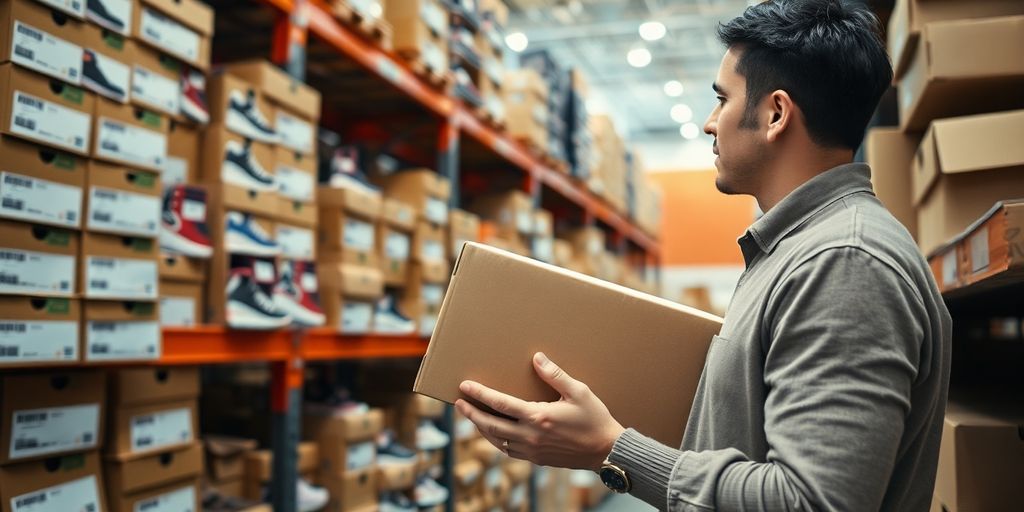
Okay, so you're selling shoes online. Awesome! But here's the thing: if you can't actually get the shoes to your customers efficiently, all that marketing and cool website design won't matter. This is where inventory and fulfillment come in. It's not the most glamorous part, but it's super important to get right.
Implementing Inventory Tracking Systems
You absolutely need a way to know what shoes you have, in what sizes, and where they are. I started with a simple spreadsheet, but trust me, that gets old fast. There are plenty of inventory management software options out there, some are even free for small businesses. Find one that works for you. It'll save you from overselling sizes you don't have and disappointing customers. Trust me, that's a headache you want to avoid.
Considering Drop Shipping Models
Drop shipping can seem like a dream: you don't hold any inventory! But it's not always sunshine and rainbows. You're relying on someone else to ship your products, so quality control can be tricky. Plus, profit margins are often lower. If you're just starting out and don't have a lot of capital, it might be worth exploring. But do your research and find a reliable drop shipper. Bad ones will ruin your reputation.
Securing Warehouse Partnerships
If you're selling a lot of shoes, your spare bedroom isn't going to cut it anymore. That's when you might want to think about a warehouse. You could rent your own space, but that comes with a lot of overhead. A warehouse partnership, where you pay a company to store and ship your shoes, can be a good middle ground. They handle the logistics, and you can focus on growing your business.
Optimizing Order Batching
Instead of processing orders one at a time, try to batch them. This means grouping similar orders together to save time and resources. For example, if you have multiple orders going to the same city, pack them together. This can reduce shipping costs and speed up the fulfillment process. It's all about finding ways to be more efficient.
Standardizing Packaging Materials
Using the same boxes, tape, and packing peanuts for every order might seem boring, but it saves time and money. Plus, it helps build your brand. You can even get custom-printed boxes with your logo on them. It's a small detail that can make a big difference in the customer's experience.
Negotiating Shipping Rates
Shipping costs can eat into your profits, so it's important to negotiate the best rates possible. Talk to different shipping carriers and see what they can offer. You might be surprised at how much you can save. Also, consider offering free shipping on orders over a certain amount. It can incentivize customers to buy more.
Streamlining Return Logistics
Returns are a fact of life in online retail. Make the return process as easy as possible for your customers. Provide clear instructions on how to return items, and offer free return shipping if you can afford it. A smooth return process can turn a negative experience into a positive one, and keep customers coming back.
Managing inventory and fulfillment is an ongoing process. You'll need to constantly monitor your systems and make adjustments as your business grows. But if you get it right, you'll be able to deliver a great customer experience and maximize your profits.
Ensuring Legal Compliance and Tax Readiness

It's easy to get caught up in the excitement of starting an online shoe business, but don't forget the less glamorous, yet super important, stuff: legal and tax compliance. Ignoring these aspects can lead to serious headaches down the road. Let's break down what you need to know.
Registering Your Business Entity
First things first, you need to make your business official. This means choosing a business structure, like a sole proprietorship, LLC, or corporation. Each has different implications for liability and taxes. An LLC can offer personal liability protection, which is a big plus. Talk to a legal professional to figure out what's best for your situation. It's a crucial first step in starting a business.
Obtaining Necessary Licenses
Depending on where you live and where you're selling, you'll likely need certain licenses and permits to operate legally. This could include a business license, a seller's permit (for collecting sales tax), or other industry-specific permits. Check with your local and state government websites to see what's required. Don't skip this step; operating without the proper licenses can result in fines and penalties.
Navigating Sales Tax Collection
Sales tax can be a real pain, especially when you're selling online across different states. You need to understand nexus, which determines where you're required to collect sales tax. Many e-commerce platforms can help you automate sales tax collection, but it's still your responsibility to make sure it's done correctly. Consider using accounting software to help you manage this.
Understanding International Trade Laws
If you're planning to sell shoes internationally, things get even more complicated. You'll need to familiarize yourself with international trade laws, customs regulations, and import/export duties. These can vary significantly from country to country, so do your research or consult with a customs broker. It's also important to understand VAT (Value Added Tax) if you're selling in Europe.
Protecting Intellectual Property
Make sure you're not infringing on anyone else's intellectual property, and protect your own. This includes trademarks, copyrights, and patents. If you're using unique designs or branding, consider registering a trademark to protect your brand identity. Also, be careful about using images or descriptions from other websites without permission.
Drafting Privacy Policies
With increased focus on data privacy, you need to have a clear and comprehensive privacy policy on your website. This policy should explain how you collect, use, and protect customer data. Make sure you comply with relevant privacy laws, such as GDPR (if you're selling to customers in Europe) and CCPA (if you're selling to customers in California). Transparency is key here.
Complying with Consumer Regulations
Consumer protection laws are designed to protect customers from unfair or deceptive business practices. Make sure your product descriptions are accurate, your return policies are clear, and your customer service is responsive. Be upfront about shipping costs and delivery times. Building trust with your customers is essential for long-term success.
Staying on top of legal and tax requirements can seem daunting, but it's a necessary part of running a successful and sustainable online shoe business. Don't be afraid to seek professional advice from lawyers, accountants, and tax advisors. Investing in compliance upfront can save you a lot of trouble (and money) in the long run.
Harnessing User Reviews and Testimonials

User reviews and testimonials are super important for building trust and showing potential customers that your shoes are worth buying. People trust other people way more than they trust ads, so make sure you're making the most of this free marketing tool.
Encouraging Authentic Feedback
Getting real reviews can be tricky, but it's worth the effort. Don't fake reviews! It's bad for business in the long run. Instead, try these:
- Send follow-up emails after a purchase asking for a review.
- Offer a small discount on their next purchase for leaving a review.
- Make it easy to leave a review directly on the product page.
Displaying Reviews Prominently
Once you have those reviews, show them off! Don't hide them on some obscure page. Put them front and center where people can see them. Think about:
- Displaying star ratings on product pages and in search results.
- Featuring customer quotes on your homepage.
- Creating a dedicated "Testimonials" page.
Leveraging Video Testimonials
Video testimonials are gold. They're way more engaging than text reviews. If you can get a customer to record a short video about their experience, do it! You can:
- Reach out to your most enthusiastic customers and ask if they'd be willing to record a video.
- Offer a bigger incentive for video testimonials than for text reviews.
- Share video testimonials on your website and social media.
Responding to Customer Critiques
Not all reviews are going to be glowing. You'll get negative feedback, and that's okay. How you respond to it is what matters. Always:
- Respond promptly and professionally.
- Acknowledge the customer's concerns.
- Offer a solution or explanation.
Ignoring negative reviews makes you look like you don't care. Responding shows that you're listening and willing to make things right. This can turn a negative experience into a positive one and even gain you a loyal customer.
Showcasing Influencer Endorsements
If you're working with influencers, make sure to highlight their endorsements. Their opinions carry weight with their followers. You could:
- Feature influencer reviews on your product pages.
- Share influencer content on your social media channels.
- Create a dedicated section on your website for influencer collaborations.
Integrating Third-Party Review Platforms
Using third-party review platforms like Trustpilot or Google Reviews can add another layer of credibility. These platforms are independent, so customers know the reviews are legit. Plus, they can help with brand loyalty.
Highlighting Trust Badges
Trust badges, like "Verified Customer" or "Secure Checkout," can help ease customer concerns and increase conversions. Display these badges prominently on your website, especially on product pages and during checkout. They signal that you're a trustworthy business and that their information is safe.
Scaling Operations with Automation Tools
Running an online shoe business in 2025 means you're dealing with a lot of moving parts. To really grow and handle more orders without losing your mind (or your profit), you need to get smart about automation. It's not just about being fancy; it's about making sure things run smoothly and efficiently.
Adopting Inventory Management Software
Inventory management software is a game-changer. Trying to track everything in a spreadsheet is a recipe for disaster. Good software will help you keep tabs on stock levels, predict when you need to reorder, and even integrate with your sales channels. This means fewer stockouts, less wasted money on overstocking, and a much clearer picture of what's selling well. It's a must-have for any serious online shoe seller.
Automating Customer Support
Customer service can eat up a ton of time, especially when you're scaling. Automating some of the simpler tasks can free up your team to handle more complex issues. Here are some ideas:
- Chatbots: Use chatbots to answer frequently asked questions, like shipping times or return policies. They can handle a lot of the basic stuff, 24/7.
- Automated Email Responses: Set up automated responses for common inquiries. This lets customers know you've received their message and gives them a timeframe for a real response.
- Help Desk Software: Implement a help desk system to organize and track customer inquiries. This ensures that no request falls through the cracks.
Scheduling Social Media Posts
Social media is important, but it can also be a huge time sink. Instead of manually posting every day, use a scheduling tool to plan your content in advance. This lets you maintain a consistent presence without constantly being glued to your phone. Tools like Buffer or Hootsuite can help you schedule posts across multiple platforms. Don't forget to create an Etsy boutique to expand your reach.
Streamlining Email Workflows
Email marketing is still a powerful tool, but it needs to be efficient. Automate as much as possible, from welcome emails to abandoned cart reminders. Segment your email list so you can send targeted messages to different groups of customers. This will improve your open rates and drive more sales. For example, send special offers to repeat customers or personalized recommendations based on their past purchases.
Generating Automated Reports
Data is your friend. Set up automated reports to track key metrics like sales, website traffic, and customer behavior. This will give you insights into what's working and what's not, so you can make informed decisions about your business. Look for patterns and trends that can help you optimize your marketing efforts and improve your product offerings. Consider using inventory management software to help with this.
Implementing Shipping Integrations
Shipping can be a major headache, especially as you grow. Integrate your online store with shipping carriers like UPS or FedEx to automate the process. This will allow you to generate shipping labels, track packages, and provide customers with real-time updates. It will also save you a ton of time and reduce the risk of errors.
Using Chatbot Assistants
Chatbots aren't just for customer service; they can also be used to assist customers with their purchases. For example, a chatbot could help a customer find the right shoe size or style based on their preferences. They can also provide personalized recommendations and answer questions about product features. This can improve the shopping experience and increase sales.
By implementing these automation tools, you can free up your time, reduce errors, and improve the overall efficiency of your online shoe business. This will allow you to focus on what really matters: growing your brand and providing excellent customer service.
Analyzing Key Performance Indicators
It's easy to get caught up in the day-to-day grind of running an online shoe business. But to really succeed, you need to step back and look at the numbers. Analyzing your Key Performance Indicators (KPIs) is how you figure out what's working, what's not, and where to focus your efforts. Think of it as your business's health checkup. Without it, you're flying blind.
Tracking Revenue Growth Trends
Are your sales going up, down, or staying the same? Don't just look at the raw numbers. Calculate the percentage increase or decrease month-over-month or year-over-year. This gives you a clearer picture of your business's trajectory. A sudden dip might signal a problem with your marketing, product quality, or customer service. Consistent growth, on the other hand, means you're doing something right. Keep an eye on these revenue growth trends to make sure you are on the right track.
Monitoring Conversion Rates
Your conversion rate is the percentage of website visitors who actually make a purchase. A low conversion rate could mean your website is confusing, your prices are too high, or your product descriptions aren't compelling.
To improve your conversion rate:
- Simplify your checkout process.
- Offer multiple payment options.
- Make sure your website is mobile-friendly.
Measuring Average Order Value
Average Order Value (AOV) is the average amount of money each customer spends per order. Increasing your AOV is a great way to boost revenue without necessarily attracting more customers.
Here's how to do it:
- Offer product bundles.
- Suggest related items at checkout.
- Implement a minimum order value for free shipping.
Calculating Customer Acquisition Cost
Customer Acquisition Cost (CAC) is how much it costs you to acquire a new customer. This includes all your marketing and advertising expenses. If your CAC is higher than your average customer lifetime value, you're losing money. You need to find ways to lower your CAC, such as:
- Improving your SEO.
- Running more targeted ad campaigns.
- Leveraging social media marketing.
Evaluating Return on Ad Spend
Return on Ad Spend (ROAS) measures the revenue you generate for every dollar you spend on advertising. A high ROAS means your ads are effective, while a low ROAS means you need to tweak your campaigns.
It's important to track ROAS for each advertising channel separately. This will help you identify which channels are the most profitable and where to allocate your budget.
Assessing Repeat Purchase Rate
Your repeat purchase rate is the percentage of customers who buy from you more than once. A high repeat purchase rate indicates customer satisfaction and loyalty. To encourage repeat purchases:
- Offer loyalty rewards.
- Send personalized email marketing campaigns.
- Provide excellent customer service.
Reviewing Lifetime Customer Value
Lifetime Customer Value (LCV) predicts the total revenue a single customer will generate throughout their relationship with your business. Increasing your LCV is crucial for long-term profitability. Focus on building strong customer relationships and providing exceptional experiences. This will keep customers coming back for more, and that's what it's all about. You can use a profit calculator to estimate your margins.
Adapting to Emerging Trends in Footwear
The footwear industry is constantly evolving, and staying ahead of the curve is essential for online shoe sellers in 2025. It's not just about having the latest styles; it's about understanding the shifts in consumer preferences, technology, and sustainability. Let's explore some key trends you need to watch.
Integrating Sustainable Materials
Consumers are increasingly eco-conscious, and they're demanding sustainable options. Using recycled materials, plant-based alternatives, and ethical sourcing practices is no longer a niche; it's becoming the standard. Consider these options:
- Recycled rubber outsoles
- Organic cotton linings
- Water-based adhesives
Exploring Smart Shoe Technology
Smart shoes are stepping into the future. These shoes integrate technology for fitness tracking, navigation, and even personalized comfort. Think about:
- Embedded sensors for activity monitoring
- GPS tracking for location services
- Adaptive cushioning systems
Offering Virtual Try-On Tools
Online shoe shopping can be tricky because customers can't physically try on the shoes. Virtual try-on tools solve this problem by using augmented reality (AR) to let customers see how shoes look on their feet before buying. This can significantly reduce return rates and boost customer satisfaction. You can explore global shoes with virtual try-on tools.
Personalizing Shoe Customizations
Everyone loves something unique. Offering personalized shoe customizations allows customers to design their own shoes, choosing colors, materials, and even adding monograms. This not only increases perceived value but also fosters brand loyalty.
Testing 3D Printing Options
3D printing is revolutionizing manufacturing, and footwear is no exception. While not yet mainstream, 3D-printed shoes offer unparalleled customization and on-demand production. Keep an eye on this technology as it matures, as it could transform how shoes are designed and sold.
Partnering with Eco-Conscious Brands
Collaborating with brands that share your sustainability values can enhance your reputation and attract eco-conscious customers. Look for partnerships with companies that use ethical sourcing, reduce waste, and support environmental initiatives.
Monitoring Resale Market Growth
The resale market for shoes is booming, driven by sustainability concerns and the desire for rare or limited-edition items. Consider integrating a resale program into your business, allowing customers to buy and sell used shoes. This can attract new customers and generate additional revenue.
Adapting to these emerging trends requires a proactive approach. Stay informed, experiment with new technologies, and listen to your customers. By embracing change, you can position your online shoe business for long-term success.
Cultivating Community and Brand Ambassadors
Okay, so you've got your online shoe store up and running. Great! But just having a website isn't enough. You need people to actually care about your brand. That's where building a community and finding brand ambassadors comes in. It's all about creating a loyal following who will not only buy your shoes but also spread the word about them.
Launching Ambassador Programs
Think of brand ambassadors as your super-fans. These are people who genuinely love your shoes and are willing to promote them to their own networks. A good ambassador program offers incentives, like free shoes or discounts, in exchange for their promotion efforts. You can track their impact using unique referral codes or affiliate links. It's a win-win!
Offering Referral Incentives
Referral programs are a simple way to get your existing customers to bring in new ones. Give them a reason to share! Offer a discount to both the referrer and the person they refer. It's like a digital version of word-of-mouth marketing, and it can be super effective. Make sure the referral incentives are easy to understand and redeem.
Hosting Virtual Events
Virtual events are a fantastic way to connect with your audience on a more personal level. Think online shoe styling sessions, Q&As with designers, or even virtual shoe-making workshops. These events can help build excitement around your brand and create a sense of community. Plus, they're a great way to collect feedback and get to know your customers better.
Engaging in Online Forums
Find out where your target audience hangs out online – whether it's Reddit, Facebook groups, or dedicated shoe forums. Participate in these communities by answering questions, offering advice, and sharing your expertise. Don't just promote your shoes directly; focus on being a helpful and valuable member of the community. This builds trust and credibility, which can lead to more sales down the line.
Creating Private Social Groups
Consider creating a private social group specifically for your customers. This could be a Facebook group, a Discord server, or even a private forum on your website. This gives your customers a place to connect with each other, share their experiences with your shoes, and get exclusive access to promotions and content. It's like having your own little online club!
Rewarding Top Contributors
Recognize and reward the most active and engaged members of your community. This could be through shout-outs on social media, exclusive discounts, or even free shoes. Rewarding top contributors encourages others to get involved and helps to create a more vibrant and engaged community. It also shows that you appreciate your customers' loyalty and support.
Showcasing Ambassador Stories
Highlight the stories of your brand ambassadors on your website and social media channels. Share their photos, videos, and testimonials. This not only gives your ambassadors some extra exposure but also helps to build trust and credibility with potential customers. Seeing real people who love your shoes can be a powerful motivator. It's a great way to show off the shoe brand and the people who support it.
Building a community takes time and effort, but it's worth it in the long run. By creating a loyal following of brand ambassadors, you can turn your customers into your biggest advocates and drive sustainable growth for your online shoe business.
Maximizing Profit with Upselling and Cross-Selling
It's not just about selling shoes; it's about selling more shoes, or more stuff with those shoes. Think of it as boosting your average order value. Upselling and cross-selling are key strategies to increase revenue without necessarily increasing your customer base. It's all about smart product placement and knowing what your customers want (or might want!).
Bundling Complementary Accessories
Think socks, shoe cleaner, laces, or even shoehorns. If someone is buying running shoes, suggest performance socks. If they're getting dress shoes, offer a shoe shine kit. It's a simple way to add value and increase the order total. Make sure the bundled price is attractive enough to entice the customer. I've seen bundles increase sales by at least 15%.
Promoting Premium Upgrades
Got a basic shoe model? Offer a premium version with better materials or enhanced features. Maybe it's a leather upgrade, a more durable sole, or extra cushioning. Highlight the benefits of the upgrade and make it easy for customers to see the value. A clear comparison chart can work wonders.
Implementing Post-Purchase Offers
After someone buys a pair of shoes, send them an email with a special offer on related items. This could be shoe care products, insoles, or even another pair of shoes in a different style. The key is to make the offer time-sensitive to encourage immediate action. I once got a great deal on shoe trees this way.
Designing Tiered Product Lines
Offer shoes at different price points with varying features and benefits. This allows you to cater to a wider range of customers and capture more sales. A "good, better, best" approach can be very effective. For example:
- Entry-level: Basic, affordable shoes
- Mid-range: Shoes with improved features and materials
- Premium: High-end shoes with top-of-the-line quality
Highlighting Limited Edition Drops
Create a sense of urgency and exclusivity by offering limited edition shoe releases. These can be collaborations with artists, unique colorways, or special designs. Promote them heavily on social media and through email marketing. Scarcity drives demand, and people are willing to pay more for something they can't easily get.
Encouraging Warranty Add-Ons
Offer extended warranties or protection plans for your shoes. This can provide customers with peace of mind and generate additional revenue for your business. Make sure the warranty covers common issues like manufacturing defects or accidental damage. It's a win-win.
Selling Gift Cards Strategically
Gift cards are a great way to drive future sales and attract new customers. Promote them during holidays and special occasions. Offer bonus incentives, like a free gift or a discount on their next purchase, when someone buys a gift card. Plus, gift cards are basically guaranteed revenue, even if they aren't redeemed right away.
Upselling and cross-selling aren't about being pushy; it's about providing value and helping customers find the products they need and want. When done right, it can significantly boost your profits and improve customer satisfaction.
Future-Proofing Your Shoe Business
It's 2025, and the online shoe market moves fast. To stay ahead, you can't just focus on today's sales; you need a plan for the future. This means constantly learning, adapting, and being ready for change. Think about where the market is going and how you can position your business to thrive, not just survive.
Investing in Continuous Education
Don't get stuck in old ways. The world of e-commerce is always changing. Take online courses, attend webinars, and read industry blogs to keep your skills sharp. Knowing the latest trends in tips for marketing your online shoe store will help you make smart decisions.
Collaborating with Strategic Partners
Going it alone is tough. Find other businesses or individuals who can help you grow. This could mean partnering with a complementary brand, a tech company, or even another shoe seller who targets a different niche. Joint ventures can open up new markets and resources.
Embracing Technological Advances
Technology is reshaping how we buy and sell shoes. Explore new tools and platforms that can improve your business. This might include using AI for customer service, implementing augmented reality for virtual try-ons, or adopting blockchain for supply chain transparency.
Committing to Sustainability Goals
Consumers are increasingly concerned about the environment. Make sustainability a core part of your business. Use eco-friendly materials, reduce waste, and promote ethical manufacturing practices. This will attract environmentally conscious customers and improve your brand image.
Conducting Ongoing Market Research
Never stop learning about your customers and your competitors. Regularly conduct market research to identify new trends, understand changing consumer preferences, and assess the competitive landscape. This will help you make informed decisions about product development, pricing, and marketing.
Planning for Scalable Growth
Think about how you'll handle increased demand as your business grows. This means investing in infrastructure, streamlining processes, and building a strong team. Make sure your systems can handle more orders, more customers, and more complexity.
Defining Your Exit Strategy
It might seem early, but it's smart to think about your long-term goals. Do you want to sell your business someday? Pass it on to family? Knowing your exit strategy will help you make better decisions along the way. It also helps to have a plan for starting an e-commerce shoe business from home.
Staying flexible is key. The shoe market will keep changing, so be ready to adapt your strategy as needed. Don't be afraid to experiment with new ideas and technologies. The businesses that thrive will be the ones that are willing to learn, adapt, and innovate.
# Conclusion
Well, you’ve made it to the end of this guide on selling shoes online in 2025. Now you know how to pick a small niche, snap clear photos, write honest listings, and choose the best sites to post your shoes. You’ve seen how to set prices that cover fees and still attract buyers, plus how to use social media to spread the word. It won’t always be a smooth ride—some days sales will zoom, others you’ll wonder if anyone’s looking. But if you keep learning from your wins and your misses, adjust your approach, and stay patient, you can turn your shoe hustle into a solid income. So grab your favorite pair, set up your next listing, and get ready to watch your profits grow by the end of 2025.
Frequently Asked Questions
Is selling shoes online a good way to make money?
Yes. If you pick the right shoes, write clear listings, and stay active, you can earn steady income from an online shoe shop.
How do I choose the best site to sell my shoes?
Think about your shoes and budget. Big sites like eBay or Amazon reach many buyers, while niche sites like Poshmark or Depop work well for fashion fans.
What costs should I include when I price my shoes?
Add the purchase cost, shipping fees, platform fees, and a little extra for profit. Check other sellers’ prices to stay competitive.
How can I take great shoe photos?
Use a plain background and bright light. Snap pictures from different angles. Clear photos help buyers see the real item.
What should I write in my shoe listing?
List size, color, brand, and condition. Keep sentences short, use simple words, and include terms buyers might search for.
What’s the best way to ship shoes to customers?
Pack shoes in a sturdy box with padding. Use a tracking number and notify the buyer when you ship.
How do I handle returns or refunds?
Set a clear return window (for example, 14 days). State who pays return shipping and how you will issue refunds or store credit.
Where can I find reliable shoe suppliers?
You can work with wholesalers, local artisans, or buy liquidation deals. Always read reviews and inspect samples before you buy large lots.
Should I sell new or used shoes?
New shoes often sell for more, but used or vintage pairs can attract collectors. Choose what you know best and what your audience wants.
How can I promote my shoe store on social media?
Share eye-catching photos and short videos on Instagram or Facebook. Use hashtags and engage with followers by asking questions or running polls.
What legal steps do I need before selling shoes online?
Register your business name, check if you need a license, and learn sales tax rules in your state. Keep good records of all sales.
How do I track my inventory and sales?
Use a simple spreadsheet or free inventory app. Update it every time you make a sale or receive new stock to avoid overselling.