 English
 Spanish
 Russian
 French
 German
 Arabic
Need a Tow? What to Do When Your Car Quits Near You

Nobody plans for their car to break down, but it happens. When your vehicle decides to quit on you, especially close to home, knowing what to do next can save you a lot of stress. Sometimes, a quick fix is all you need, but other times, you'll definitely need a tow truck near me. This guide will walk you through the steps to take when your car gives up, helping you figure out when to call for help and what to expect.
Key Takeaways
- Safety first: Always make sure you and your passengers are out of harm's way before anything else.
- Know when to call a tow truck near me: Not every problem needs a tow; sometimes roadside assistance is enough.
- Have your car's details ready: The towing company will need to know where you are and what kind of car you have.
- Understand the costs: Towing prices can change, so ask about fees upfront.
- Check reviews: Find a reliable tow truck near me by looking at what other people say.
- Prepare your vehicle: Make sure your car is ready to be moved safely.
- Get a receipt: Always ask for proof of service and payment.
- Plan ahead: Regular car checks can help you avoid needing a tow in the first place.
Understanding When to Call a Tow Truck Near Me
It's never fun when your car decides to give up on you. Knowing when to call for a tow truck near me can save you time, money, and a whole lot of stress. Let's break down some common scenarios where a tow truck is your best bet.
When Your Car Won't Start
Sometimes, your car just won't start. You've tried jumping it, checked the battery, and still nothing. This is a prime time to call a tow truck. It could be a serious mechanical issue that needs professional attention. Don't keep cranking the engine and risk making things worse.
Dealing with a Flat Tire Emergency
While changing a flat tire is something many drivers can do, it's not always safe or possible. If you're on a busy highway, lack the necessary tools, or simply can't loosen those lug nuts, calling for a tow is a smart move. Plus, a tow truck can take your car to a shop for a proper tire replacement.
After a Vehicle Accident
Following a car accident, even a minor one, it's often best to call a tow truck. The damage might not be immediately obvious, and driving the car could be dangerous. Let the professionals handle getting your vehicle to a repair shop. Plus, it's one less thing to worry about in a stressful situation.
Running Out of Fuel Unexpectedly
It happens to the best of us. If you find yourself stranded on the side of the road with an empty tank, a tow truck can bring you to the nearest gas station. While some roadside assistance services might offer fuel delivery, a tow is a good option if you're far from a gas station or don't want to risk running out again before you get there.
Mechanical Breakdown on the Road
That dreaded feeling when your car starts making weird noises or loses power while you're driving. If you suspect a major mechanical issue, pull over safely and call a tow truck. Continuing to drive could cause further damage and leave you stranded in a more dangerous location.
Vehicle Stuck in a Ditch
Trying to get your car out of a ditch yourself can be risky and potentially cause more damage. A tow truck has the equipment and expertise to safely extract your vehicle without making the situation worse. Don't risk injury or further damage – call for help.
Overheating Engine Issues
An overheating engine is a serious problem that can cause significant damage if ignored. If your temperature gauge is in the red, pull over immediately and let the engine cool down. Don't attempt to drive any further; call a tow truck to prevent further damage.
Brake System Failure
Brake failure is one of the scariest things that can happen while driving. If you experience any issues with your brakes, such as a soft pedal, unusual noises, or reduced stopping power, pull over as soon as it's safe and call a tow truck. Driving with faulty brakes is extremely dangerous and not worth the risk.
Prioritizing Safety Before Calling for a Tow
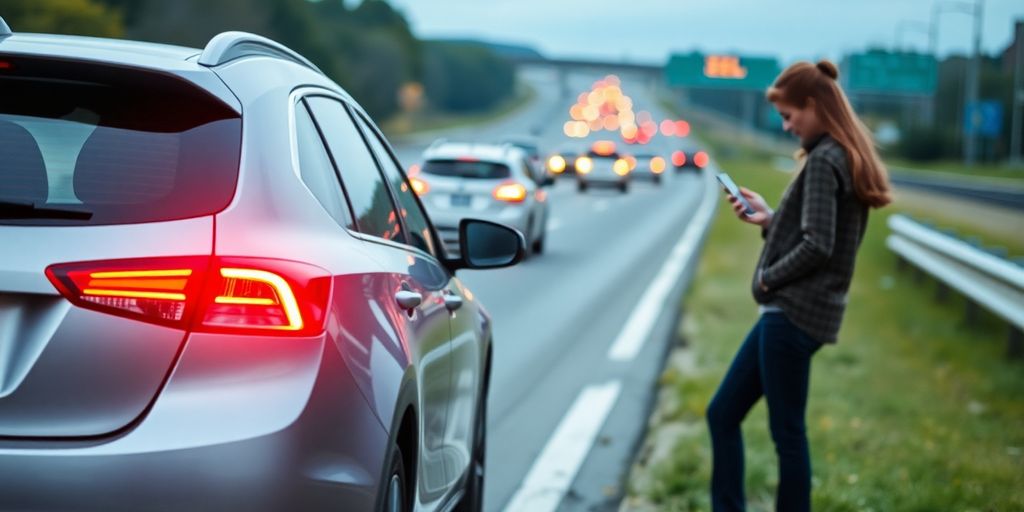
It's easy to panic when your car breaks down, but before you even think about calling a tow truck, your safety needs to be the absolute top priority. Seriously, nothing else matters until you've made sure you and everyone around you is out of harm's way. I remember one time my car died on a busy highway, and I was so flustered I almost forgot to put on my hazard lights. That could have been a disaster!
Securing Your Vehicle's Location
First things first, try to get your car as far off the road as possible. Even if it's just a few feet, it can make a huge difference in terms of safety. If you can manage to get it onto the shoulder, great. If not, try to position it so it's visible and doesn't pose an immediate hazard to other drivers. This is especially important at night or in bad weather.
Activating Hazard Lights Immediately
This is a no-brainer, but it's worth repeating: turn on your hazard lights the second you realize you're in trouble. Those flashing lights are a universal signal that something's wrong, and they'll help alert other drivers to your presence. Don't wait until you've figured out what's going on; just flip the switch. It's a simple step that can prevent accidents. You might need to find car cleaning products later if an accident occurs.
Moving to a Safe Location Away from Traffic
Once your car is as secure as possible, get yourself and any passengers out of the vehicle and away from traffic. This might mean standing behind a guardrail, walking to a safe spot off the road, or even just moving to the far side of your car, away from oncoming vehicles. The goal is to put as much distance as possible between yourself and the traffic.
Assessing Immediate Dangers
Take a quick look around and assess the situation. Are you on a blind curve? Is there heavy traffic? Is the weather making things worse? Are you in a high-crime area? Identifying potential dangers will help you make smarter decisions about what to do next. If the situation seems particularly risky, don't hesitate to call for help immediately.
Notifying Emergency Services if Necessary
If there's an accident involved, or if anyone is injured, call emergency services right away. Don't try to handle it yourself. Let the professionals take charge. Even if it seems like a minor fender-bender, it's always better to err on the side of caution. Plus, having a police report can be helpful when dealing with insurance companies later on.
Keeping Passengers Safe
If you have passengers, especially children, make sure they're safe and accounted for. Keep them close to you and away from the road. If possible, have them wait in a safe location away from the vehicle. Don't let them wander around or try to "help" with the situation. Their safety is your top priority.
Avoiding Roadside Repairs in Unsafe Areas
I know it can be tempting to try and fix the problem yourself, especially if it seems like a simple fix. But if you're in a dangerous location, it's not worth the risk. Leave the repairs to the professionals. Trying to change a tire on the side of a busy highway is just asking for trouble. Your life is worth more than saving a few bucks on a tow truck.
Staying Visible to Oncoming Traffic
Do whatever you can to make yourself visible to other drivers. Wear bright clothing, use a flashlight at night, and set up reflective triangles or flares to warn oncoming traffic. The more visible you are, the less likely you are to be involved in an accident. I always keep a reflective vest in my car for emergencies like this.
It's easy to get stressed when your car breaks down, but remember to take a deep breath and focus on what's important: staying safe. Don't let frustration cloud your judgment. By following these steps, you can minimize the risks and ensure that everyone gets home safely.
Choosing Between Roadside Assistance and a Tow Truck Near Me
Minor Issues vs. Major Breakdowns
Sometimes it's tricky to know whether you need a full-on tow truck or if roadside assistance will do the trick. The main thing to consider is the severity of the problem. If it's something minor, like a flat tire or a dead battery, roadside assistance is usually enough. But if your car is seriously broken down, a tow truck is the way to go.
When Roadside Assistance is Sufficient
Roadside assistance is great for those little hiccups that can leave you stranded. Think of it for:
- Jump-starting a dead battery
- Changing a flat tire
- Delivering a small amount of fuel if you run out
- Unlocking your car if you lock your keys inside
When a Tow Truck is Essential
On the flip side, a tow truck is a must when things get real. You'll need one if:
- Your car won't start and you don't know why
- You've been in an accident car towed
- Your car has a major mechanical issue that can't be fixed on the spot
- Your vehicle needs specialized equipment to move it.
Understanding Your Insurance Coverage
Before you call anyone, check your auto insurance policy. Many policies include some form of towing coverage. It's important to find out if your insurance company will cover the [cost of towing](cost of towing). You might have to use specific providers to get full coverage, so it pays to know the details beforehand.
Membership Benefits for Towing
Do you have a membership with an auto club? These memberships often come with towing benefits. They can save you money and hassle, especially if you find yourself needing a tow frequently. Check the fine print to see what's included in your plan.
Comparing Costs and Services
It's a good idea to get quotes from both roadside assistance providers and tow truck companies. Compare their prices and services to see which one makes the most sense for your situation. Some companies might offer a better deal for the specific service you need.
Specialized Equipment Needs
Certain situations call for specialized equipment. For example, if you have a fancy sports car or an all-wheel-drive vehicle, you might need a flatbed tow truck to prevent damage. Make sure the service you choose has the right tools for the job.
Vehicle Transport Requirements
Think about where your car needs to go. If it's just a short distance to your house, roadside assistance might be able to help. But if you need to get your car to a repair shop across town, a tow truck is the better option. Also, consider if you need premium online marketplace for automotive tools and equipment.
Essential Steps Before Your Tow Truck Arrives
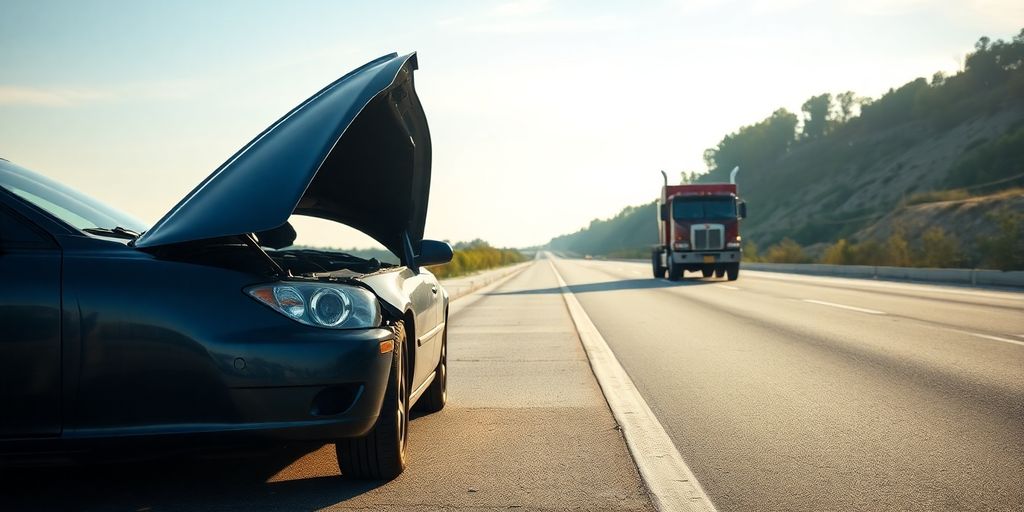
So, you've decided you need a tow. Before that big rig shows up, there are a few things you should do to make the whole process smoother. It's not just about waiting around; it's about being prepared.
Gathering Vehicle Information
Have all your car's details ready. This includes the make, model, year, and license plate number. The towing company will need this info to identify your vehicle and ensure they're towing the right one. Also, note any specific features, like if it's all-wheel drive, which might affect how they tow it.
Notifying Your Insurance Company
Give your insurance company a heads-up, especially if the tow is due to an accident. They'll want to document the incident, and knowing their procedures beforehand can save you headaches later. Find out if your policy covers towing and what their preferred shops are. It's better to know this now than get a surprise bill later.
Clearing Personal Items from the Vehicle
Take out anything valuable or personal. Tow trucks aren't responsible for items left in the car. Grab your phone charger, wallet, important documents, and anything else you wouldn't want to lose. It's a simple step that can prevent a lot of stress.
Documenting Vehicle Damage
Before the tow truck arrives, take photos or videos of any existing damage to your car. This protects you from being blamed for damage that was already there. Make sure the photos are clear and show all angles of the vehicle. It's a good habit to get into, just in case.
Communicating Your Location Clearly
Provide precise location details to the towing service. Use your GPS to give them an exact address or cross streets. If you're in a tricky spot, describe landmarks or nearby businesses to help them find you quickly. The more accurate you are, the faster they can get to you.
Confirming Towing Destination
Tell the tow truck driver exactly where you want your car taken. Whether it's your home, a mechanic, or a body shop, make sure they have the correct address. Double-check the destination to avoid any confusion or extra charges.
Preparing for Payment Options
Find out what payment methods the towing company accepts. Do they take cash, credit cards, or mobile payments? Knowing this in advance prevents awkward moments when the bill comes. Also, ask about any potential extra fees, like for mileage or after-hours service.
Securing Your Vehicle
If possible, make sure your car is locked and secure before the tow truck arrives. This helps prevent theft or vandalism while you're waiting. If you can't lock it, try to park it in a well-lit area or somewhere visible. It's all about minimizing risks.
Getting your car towed can be a pain, but being prepared makes it less stressful. Take a few minutes to gather your info, notify your insurance, and secure your belongings. A little preparation goes a long way in making the process smoother.
Finding a Reliable Tow Truck Near Me
Okay, so your car's dead. Now what? Finding a decent tow truck shouldn't add to the stress. It's more than just picking the first name you see. You want someone reliable, fairly priced, and available when you need them. Let's break down how to find a tow truck you can actually trust.
Searching Online for Local Services
Google is your friend, but don't stop there. Type in "tow truck near me" and see what pops up. Check out a few different companies. Look at their websites. Do they seem professional? Do they list their services clearly? A good online presence is a start, but it's not the whole story. You can even find engine and mechanical car parts on Trandau if you need them.
Checking Customer Reviews and Ratings
Reviews are gold. Sites like Yelp, Google Reviews, and even Facebook can give you a sense of what other people's experiences were like. Look for patterns. A few bad reviews are normal, but if you see a ton of complaints about late arrivals, hidden fees, or damage to vehicles, that's a red flag.
Verifying Licensing and Insurance
This is non-negotiable. A legitimate tow truck company should be licensed and insured. Licensing varies by state, so check your local regulations. Insurance protects you if something goes wrong during the tow. Don't be afraid to ask for proof of both. If they can't provide it, move on.
Asking for Recommendations
Word of mouth still counts. Ask friends, family, or even your local mechanic if they have any recommendations. Personal experiences are often more reliable than online reviews. Plus, if someone you trust had a good experience, you're more likely to as well.
Comparing Service Offerings
Not all tow trucks are created equal. Some specialize in certain types of vehicles or situations. Do they offer flatbed towing? Heavy-duty towing? Roadside assistance? Make sure they can handle your specific needs. Also, consider if they offer services like 24-hour towing services.
Understanding Pricing Structures
Get a clear idea of how they charge. Is it a flat rate, mileage-based, or a combination? Are there extra fees for things like winching, after-hours service, or long distances? A reputable company will be upfront about their pricing. Get an estimate before you commit.
Inquiring About Response Times
When you're stranded, time is of the essence. Ask about their average response time. Keep in mind that it can vary depending on traffic, weather, and their current workload. But a good company should be able to give you a reasonable estimate and keep you updated.
Confirming Availability 24/7
Car trouble doesn't always happen during business hours. Make sure the tow truck company offers 24/7 availability. You don't want to be stuck waiting until morning for help. Confirm their hours and whether they charge extra for after-hours calls.
Finding a reliable tow truck is about doing your homework. Don't just grab the first number you see. Take a few minutes to research your options, check reviews, and verify their credentials. It could save you a lot of headaches (and money) in the long run.
What to Expect When the Tow Truck Arrives
So, you've called a tow truck. What happens next? It's good to know what to expect so you can be prepared and the whole process goes smoothly. Here's a breakdown:
Verifying the Towing Company
First things first, when the tow truck arrives, double-check that it's the company you called. Look for the company name and logo on the truck. Don't be afraid to ask the driver for identification to confirm they are who they say they are. This is especially important if you're in a busy area or if you called from a general dispatch service. It's all about making sure you're dealing with a legitimate service.
Discussing the Towing Process
Before they hook up your car, the driver should explain the towing process. They should tell you how they plan to secure your vehicle and where they'll be taking it. If anything is unclear, ask questions! It's better to be informed than to be surprised later. Make sure you both agree on the destination and any specific instructions.
Ensuring Proper Vehicle Hook-Up
Watch how the driver hooks up your vehicle. They should use the correct equipment and take care to avoid causing any damage. If you see something that doesn't look right, speak up immediately. It's your car, and you have the right to make sure it's handled with care. Different vehicles require different towing methods, so ensure they're using the appropriate one.
Confirming Destination with Driver
Even if you've already told the dispatcher where you want your car towed, confirm the destination with the driver again. This helps prevent any miscommunication and ensures your car ends up where it needs to be. Double-checking never hurts!
Riding with the Tow Truck Driver
In some cases, you might be able to ride with the tow truck driver to the destination. However, this isn't always possible due to company policies or safety regulations. If you need a ride, ask the driver if it's allowed. If not, make sure you have a plan for getting to your destination.
Understanding Liability During Towing
It's important to understand who is liable if your vehicle gets damaged during the tow. Generally, the towing company is responsible for any damage caused by their negligence. However, pre-existing damage is usually not their responsibility. That's why documenting your car's condition beforehand is a good idea.
Receiving a Service Receipt
Always get a service receipt from the tow truck driver. This receipt should include the date, time, location, destination, the cost of the tow, and the towing company's information. Keep this receipt in a safe place, as you may need it for insurance purposes or if any issues arise later.
Asking Any Remaining Questions
Don't hesitate to ask any remaining questions you have before the driver leaves. This is your chance to clarify anything you're unsure about and ensure you're completely satisfied with the service. It's better to ask now than to regret it later.
Before the tow truck arrives, take a moment to collect your thoughts and prepare any necessary information. This will help streamline the process and ensure a smoother experience. Remember to stay calm and communicate clearly with the driver.
Preparing Your Vehicle for Towing
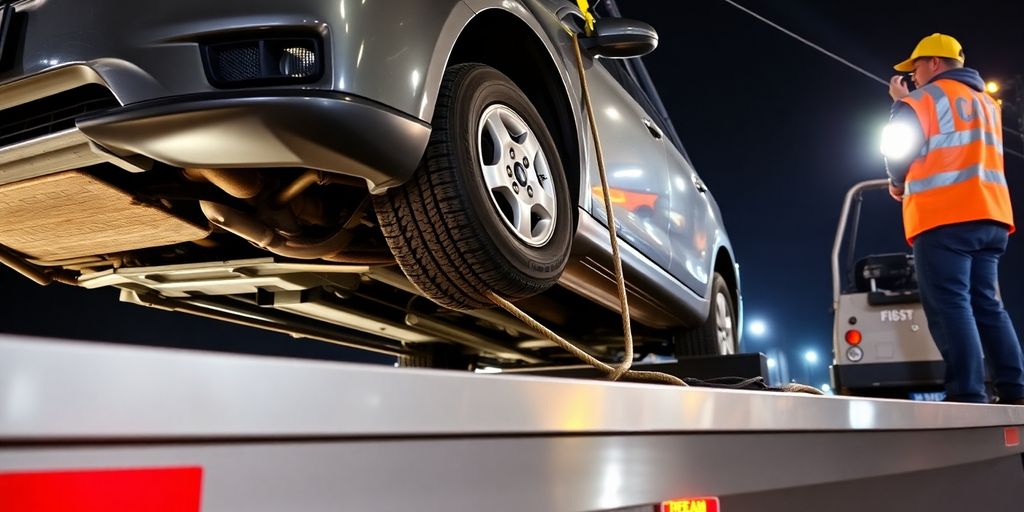
Okay, so the tow truck is on its way. Before it gets there, there are a few things you should do to make the process smoother and protect your car. It's all about being prepared and preventing any further issues.
Ensuring Vehicle is in Neutral
This is a big one. Make sure your car is in neutral unless the tow truck operator tells you otherwise. This allows them to easily winch or move your car without causing damage to the transmission. If your car has an electronic parking brake, you might need to consult your owner's manual on how to disengage it manually. It's a simple step that can save you a lot of trouble.
Securing Loose Parts
Walk around your car and check for anything that might come loose during the tow. This could be things like:
- Loose bumpers
- Dangling trim pieces
- Anything strapped to the roof rack
Secure these items with tape or rope if possible. You don't want them flying off during transport. It's also a good idea to take pictures of any existing damage before the tow, just in case.
Removing Valuables
This is common sense, but it's worth repeating. Take out anything valuable from your car before the tow truck arrives. This includes:
- Electronics (phones, GPS devices, etc.)
- Cash or credit cards
- Important documents
- Anything else you wouldn't want to lose
While most towing companies are trustworthy, it's always better to be safe than sorry. Plus, it's one less thing to worry about during a stressful situation. If you're buying or selling motorcycle parts, make sure to remove them before towing.
Folding Side Mirrors
Folding in your side mirrors can prevent them from getting damaged during the towing process. Tow truck drivers are usually careful, but accidents can happen. It only takes a few seconds to fold them in, and it could save you from having to replace a broken mirror. If your mirrors are power-folding, use the controls to fold them in. If they're manual, just fold them in by hand.
Closing Windows and Sunroof
Double-check that all your windows and sunroof are completely closed. This protects the interior of your car from the elements and prevents anything from flying out during the tow. Rain, dust, or debris can cause damage to your upholstery and electronics. It's a simple step that can make a big difference.
Disabling Alarm Systems
If your car has an alarm system, disable it before the tow truck arrives. A blaring alarm during the towing process is annoying for everyone involved. It can also drain your car's battery. Consult your owner's manual for instructions on how to disable the alarm. If you can't disable it, let the tow truck driver know so they can take precautions.
Providing Key Access
The tow truck driver will need access to your car to steer it or release the parking brake. Make sure you have the keys readily available. If you have a keyless entry system, make sure the driver knows how to operate it. If you've lost your keys, let the towing company know in advance, as they may need special equipment to tow your car.
Notifying Driver of Special Considerations
Does your car have any unique features or damage that the tow truck driver should be aware of? For example:
- Low ground clearance
- Damaged suspension
- Aftermarket modifications
Let the driver know about these things so they can take extra care during the towing process. Clear communication can prevent further damage to your vehicle.
Preparing your car for towing might seem like a lot of small steps, but they all add up to a smoother, safer experience. Taking a few minutes to secure loose items, remove valuables, and communicate with the tow truck driver can prevent headaches down the road. It's all about being proactive and protecting your investment.
Understanding Towing Costs and Payment
Let's be real, nobody wants to think about towing costs until they absolutely have to. But getting a handle on how towing services charge and what affects the final bill can save you from unpleasant surprises. It's not always straightforward, but a little knowledge goes a long way.
Factors Influencing Towing Prices
Several things impact how much you'll pay for a tow. Distance is a big one, obviously. The further they have to haul your car, the more it'll cost. Time of day matters too; expect to pay more during off-peak hours, weekends, or holidays. The type of vehicle also plays a role. Towing a motorcycle is different than towing a big pickup truck. Finally, where your car is located matters. If it's stuck in a ditch or a tight parking garage, that'll add to the complexity and the cost. Don't forget to check out Trandau for automotive electronics that can help prevent breakdowns.
Flat Rate vs. Mileage-Based Fees
Towing companies usually use one of two pricing models. A flat rate covers local tows, often within a specific radius. Mileage-based fees charge you per mile towed, which can add up quickly if you're going a long distance. Always ask which method the company uses and get an estimate based on your destination. It's a good idea to understand the difference between these two before you need towing a car.
Additional Charges to Expect
Be aware of potential extra charges. Some companies charge extra for winching your car out of a ditch or for using specialized equipment. There might be fees for storing your vehicle if you can't pick it up right away. And, of course, tolls could be added to the final bill. Always clarify what's included in the initial estimate to avoid surprises.
Payment Methods Accepted
Most towing companies accept standard payment methods like credit cards and cash. Some might also take debit cards or mobile payment apps. It's smart to ask about accepted payment options when you call for a tow, just so you're prepared.
Insurance Coverage for Towing
Check your auto insurance policy to see if it covers towing services. Many policies include roadside assistance, which can cover some or all of the towing costs. However, some policies only cover specific situations, like accidents, or only work with certain towing providers. Know your policy details before you need a tow.
Membership Discounts
Roadside assistance memberships, like AAA, often include free or discounted towing services. These memberships can be worth it if you frequently drive long distances or have an older car that's more prone to breakdowns. Consider the annual cost of the membership versus the potential savings on towing.
Getting a Written Estimate
Always, always, get a written estimate before the tow truck driver hooks up your car. This estimate should detail all the potential charges, including the base rate, mileage fee (if applicable), and any additional fees. A written estimate gives you something to refer back to if there are any discrepancies on the final bill.
Avoiding Hidden Fees
The best way to avoid hidden fees is to ask questions upfront. Don't be afraid to grill the towing company about their pricing structure and any potential extra charges. Read the fine print on the estimate carefully, and don't sign anything until you're comfortable with the terms. If something seems unclear or suspicious, get a second opinion before proceeding.
Dealing with Your Vehicle After Towing
So, the tow truck dropped off your car. Now what? It's easy to feel a bit lost after the initial stress of the breakdown. Here's a rundown of what to do next.
Arranging for Repairs at a Garage
If your car went to a garage, the first thing is to confirm they received it. Give them a call the next business day to schedule a time to discuss the problem and potential repairs. Don't be afraid to ask about their diagnostic process.
Picking Up Your Vehicle from Home
If you had the car towed to your place, take a good look at it. Assess the situation. Can you fix it yourself, or do you need to call a mechanic to come over or have it towed again?
Inspecting for New Damage
Walk around your car and check for anything new. Did the towing process cause any scratches, dents, or other issues? Document everything with photos. This is important for potential claims later.
Understanding Repair Timelines
When you talk to the mechanic, get a realistic idea of how long the repairs will take. Parts availability, the complexity of the job, and the shop's workload all play a role. Don't be afraid to ask for updates.
Communicating with the Mechanic
Keep the lines of communication open. Ask questions, express concerns, and make sure you understand what's going on. A good mechanic will explain things clearly and keep you informed.
Reviewing Repair Estimates
Before any work begins, get a written estimate. Go over it carefully. Make sure you understand each item and the associated cost. Don't hesitate to ask for clarification or a breakdown of labor and parts.
Ensuring Proper Documentation
Keep all records related to the towing and repairs. This includes the tow truck receipt, the repair estimate, and the final invoice. These documents could be useful for insurance claims or warranty issues.
Planning for Future Maintenance
Think about what caused the breakdown in the first place. Was it a neglected maintenance item? Use this as a learning experience to schedule regular check-ups and prevent future problems.
After a breakdown, it's easy to just want your car back on the road. But taking the time to properly handle the aftermath can save you headaches and money in the long run. Don't rush the process. Be thorough, ask questions, and protect yourself.
Preventative Measures to Avoid Future Towing Needs
Regular Vehicle Maintenance
Keeping up with your car's maintenance schedule is super important. Think of it like going to the doctor for a check-up, but for your car. Regular oil changes, tune-ups, and inspections can catch small problems before they turn into big, tow-truck-requiring disasters. I try to stick to the schedule in my car's manual, and it seems to help a lot.
Checking Tire Pressure Regularly
I can't stress this enough: check your tire pressure! Underinflated tires can lead to blowouts, which are a major cause of roadside emergencies. Plus, properly inflated tires improve gas mileage. I usually check mine every couple of weeks, or before any long trip. It's a small thing that can make a big difference.
Monitoring Fluid Levels
Make sure you keep an eye on your car's fluid levels. This includes oil, coolant, brake fluid, power steering fluid, and windshield washer fluid. Low fluid levels can cause serious damage to your engine and other components. I try to check mine at least once a month, and top them off as needed. It's way cheaper than a tow and a major repair.
Keeping Your Fuel Tank Full
Running out of gas is such a silly reason to need a tow, but it happens all the time! I try to keep my tank at least a quarter full, just in case. You never know when you might get stuck in traffic or have to take a detour. Plus, it's just less stressful to know you have plenty of gas.
Carrying Emergency Supplies
It's always a good idea to keep some basic emergency supplies in your car. This could include things like jumper cables, a flashlight, a first-aid kit, a blanket, and some water. You never know when you might need them, and they can really come in handy if you're stranded on the side of the road. I keep a small bag with these items in my trunk at all times.
Understanding Warning Lights
Pay attention to your car's warning lights! They're there for a reason. If a light comes on, don't ignore it. Check your owner's manual to see what it means, and take your car to a mechanic if necessary. Ignoring a warning light can lead to serious damage and a costly tow.
Planning Long Trips Carefully
If you're planning a long road trip, take some time to plan ahead. Check the weather forecast, map out your route, and make sure your car is in good condition. It's also a good idea to let someone know your itinerary, just in case. A little planning can go a long way in preventing roadside emergencies.
Having a Roadside Emergency Kit
Having a roadside emergency kit can be a lifesaver. Make sure it includes jumper cables, a flashlight, a first-aid kit, reflective triangles, a tire repair kit, and some basic tools. You might also want to include some water and non-perishable snacks. I keep mine in a sturdy container in the trunk, so it's always ready to go.
Taking preventative measures can save you a lot of headaches and money in the long run. Regular maintenance, careful planning, and a little bit of preparation can help you avoid the need for a tow truck in the first place. It's all about being proactive and taking care of your car.
Special Considerations for Electric Vehicles and Towing
EVs are becoming more common, and that means tow truck operators need to know how to handle them. It's not quite the same as towing a regular gas car, so let's look at some things to keep in mind.
Understanding EV Towing Requirements
Electric vehicles have unique needs when it comes to towing. Unlike gasoline cars, EVs can be damaged if towed improperly. You can't just hook them up and drag them down the road. The electric motor and regenerative braking system can suffer serious harm if the wheels are turning without the motor running correctly. Always check the manufacturer's recommendations for towing your specific EV model.
Flatbed Towing for EVs
Flatbed towing is usually the safest way to move an EV. This gets all four wheels off the ground, preventing any potential damage to the drivetrain. It's the preferred method for most EVs, especially those with all-wheel drive. If a flatbed isn't available, make sure the towing service knows the specific requirements for your car.
Avoiding Damage to Battery Packs
The battery pack is the heart of an EV, and it's also one of the most vulnerable parts during towing. A damaged battery pack can be expensive to replace and even pose a safety hazard.
- Ensure the tow truck operator knows the location of the battery pack.
- Avoid any impacts or dragging that could damage the battery.
- Ask about their experience with towing EVs.
Consulting Your EV Manufacturer
Your EV manufacturer's manual is your best friend. It will have specific instructions on how to tow your vehicle safely. Some manufacturers even have approved towing procedures that must be followed to avoid voiding the warranty. Always refer to this information before calling for a tow.
Specialized EV Towing Services
Some towing companies are starting to specialize in EV towing. These services have the right equipment and training to handle EVs without causing damage. They understand the nuances of EV systems and can ensure a safe tow. Look for companies that advertise EV towing or have certifications in this area.
Charging Options After Towing
If your EV ran out of charge, you'll need to think about charging it after the tow. Some towing companies may offer mobile charging services, but it's not always available. Plan ahead and know where the nearest charging station is located relative to your destination.
Weight Distribution for EVs
EVs often have different weight distributions than gasoline cars, mainly because of the heavy battery pack. This can affect how the vehicle handles during towing. Make sure the tow truck operator is aware of this and adjusts their towing setup accordingly. Proper weight distribution is important for safety and stability.
Driver Training for EV Towing
Not all tow truck drivers are trained to handle EVs. It's important to ask about the driver's experience and training before allowing them to tow your car. A trained driver will know how to properly secure the vehicle, avoid damaging the battery pack, and handle any unique challenges that come with towing an EV.
Towing an EV isn't rocket science, but it does require some extra care and attention. By following these guidelines and working with a qualified towing service, you can ensure your EV is towed safely and without damage.
Navigating Towing After an Accident
Accidents are stressful, and figuring out the next steps can feel overwhelming. Let's break down what you need to know about towing after a car accident to make the process smoother.
Coordinating with Law Enforcement
After an accident, your first call should be to the police, especially if there are injuries or significant property damage. The police report is a critical document for insurance claims. They'll manage the scene, take statements, and determine if a tow is needed immediately. If your car is blocking traffic or is unsafe to drive, they'll likely call a tow truck. Make sure to get the officer's name and badge number, plus a copy of the police report if possible.
Documenting the Accident Scene
If you're able to, document everything at the accident scene. Take photos of the damage to all vehicles involved, the location of the vehicles, and any relevant details like road conditions or traffic signals. These photos can be invaluable when dealing with insurance companies. Don't forget to photograph the other driver's insurance card and driver's license. All this information will help when you're looking for exterior car accessories later on.
Working with Your Insurance Adjuster
Contact your insurance company as soon as possible after the accident. They'll assign an adjuster to your case who will investigate the accident and assess the damage to your vehicle. Be honest and provide all the information you have, including the police report, photos, and any witness statements. The adjuster will guide you through the claims process and help you determine if your car needs to be towed to a repair shop.
Choosing an Approved Repair Shop
Your insurance company might have a list of approved repair shops. These shops have agreements with the insurance company to provide repairs at a set rate. You're not obligated to use one of these shops, but it can sometimes streamline the repair process. If you prefer your own mechanic, that's usually fine, but you might need to get an estimate approved by your adjuster first.
Understanding Accident Towing Protocols
Accident towing often involves specific protocols. The police might have a preferred towing company they work with, or your insurance company might have a network of towing services. Be aware of these protocols to avoid any unexpected charges or complications. Ask questions and make sure you understand where your car is being towed and why.
Securing Personal Belongings
Before your car is towed, remove all your personal belongings. This includes anything valuable, like electronics, wallets, or jewelry, as well as important documents like registration and insurance cards. Once the car is at the tow yard or repair shop, it can be more difficult to retrieve your items. It's better to be safe than sorry.
Obtaining Accident Reports
Get a copy of the official accident report from the police department. This report contains important details about the accident, including the officer's findings, witness statements, and a diagram of the scene. Your insurance company will likely need this report to process your claim. It might take a few days or weeks for the report to become available, so follow up with the police department to get it.
Follow-Up with All Parties
Keep in contact with your insurance adjuster, the repair shop, and any other relevant parties involved in the accident. This will help ensure that your claim is processed smoothly and that your car is repaired properly. Don't hesitate to ask questions and seek clarification if you're unsure about anything. Communication is key to a successful resolution.
After an accident, it's easy to feel lost and confused. Take a deep breath and focus on gathering the necessary information, communicating with the right people, and protecting your interests. By following these steps, you can navigate the towing and repair process with confidence and get back on the road as soon as possible.
Towing for Commercial Vehicles and Fleets
Commercial vehicles and fleets have unique towing needs compared to individual car owners. It's not just about getting a vehicle from point A to point B; it's about minimizing downtime, managing costs, and staying compliant with regulations. Let's explore what's involved.
Heavy-Duty Towing Services
Heavy-duty towing is for large vehicles like semi-trucks, buses, and construction equipment. These jobs require specialized tow trucks with significant power and equipment. The recovery process often involves winching, air cushion recovery, and load shifts to safely move the vehicle. It's a whole different ballgame than towing a sedan.
Fleet Management Towing Contracts
Many businesses with fleets enter into contracts with towing companies. These agreements often include pre-negotiated rates, priority service, and detailed reporting. This helps control costs and ensures quick response times. Fleet managers can track expenses and vehicle downtime more effectively.
Specialized Equipment for Commercial Vehicles
Commercial vehicles often need specific equipment. For example, a flatbed tow service might be needed for vehicles with low clearance or those carrying sensitive cargo. Rotator tow trucks are used for complex recoveries, like overturned vehicles. Having the right tools is key to preventing further damage.
Understanding Commercial Insurance
Commercial auto insurance policies often have specific provisions for towing and recovery. It's important to understand what's covered, including limits and deductibles. Some policies may require using specific towing providers. Knowing the details can save headaches later.
Minimizing Downtime for Businesses
Downtime is costly for businesses. A quick response from a towing service can make a big difference. Towing companies that offer 24 hour towing are invaluable. Efficient dispatch and experienced drivers help get vehicles back on the road faster.
Emergency Response for Fleets
Fleets need a towing service that can handle emergencies. This includes accidents, breakdowns, and other unexpected events. A good towing company will have a plan for these situations, including communication protocols and backup resources. It's about being prepared for anything.
Compliance with Regulations
Towing companies must comply with various regulations, especially when dealing with commercial vehicles. This includes safety standards, licensing requirements, and environmental rules. Businesses should ensure their towing provider is fully compliant to avoid potential liabilities.
Preventative Maintenance for Fleets
Regular maintenance can significantly reduce the need for towing. This includes checking fluid levels, inspecting tires, and addressing minor repairs promptly. A well-maintained fleet is a more reliable fleet, saving time and money in the long run.
Here are some key preventative measures:
- Regular oil changes
- Tire rotations and pressure checks
- Brake inspections
- Coolant flushes
- Battery testing
Understanding Different Types of Tow Trucks Near Me
It's easy to think all tow trucks are the same until you actually need one. Then you realize there's a whole world of specialized vehicles designed for different situations. Knowing what's out there can help you get the right kind of help when you're stuck.
Flatbed Tow Trucks
Flatbed tow trucks are probably the most common type you'll see. They have a bed that tilts down, allowing the vehicle to be driven or winched onto the platform. This is great for cars that can't be driven, like after an accident, or for vehicles with all-wheel drive that shouldn't be towed with just two wheels on the ground. They minimize wear and tear during transport.
Wheel-Lift Tow Trucks
Wheel-lift tow trucks use a metal yoke to lift either the front or rear wheels off the ground. The other set of wheels stays on the road. These are good for tight spaces and are generally quicker to hook up than flatbeds. However, they aren't ideal for all-wheel-drive vehicles or cars with significant damage.
Hook and Chain Tow Trucks
Hook and chain tow trucks are an older design. They use chains to secure the vehicle to the truck. While they can get the job done, they can also cause damage to the vehicle's frame or suspension. Because of this, they're becoming less common, especially for newer cars.
Integrated Tow Trucks
Integrated tow trucks are heavy-duty trucks designed for towing larger vehicles like buses or construction equipment. They have a stronger chassis and more powerful winches than standard tow trucks. They are often used for recovery operations.
Rotator Tow Trucks
Rotator tow trucks are the superheroes of the towing world. They have a rotating boom that can lift and move vehicles in almost any direction. They're often used in complex recovery situations, like when a vehicle has gone off a cliff or is in a difficult-to-reach location. They are equipped with outriggers for stability.
Heavy-Duty Tow Trucks
Heavy-duty tow trucks are built for the big stuff: semi-trucks, construction equipment, and other large vehicles. They have powerful engines, heavy-duty winches, and specialized equipment to handle these massive loads. They are essential for commercial towing.
Light-Duty Tow Trucks
Light-duty tow trucks are your standard, everyday tow trucks. They're designed for passenger cars, light trucks, and SUVs. They are the workhorses of the towing industry, handling most common roadside assistance calls.
Medium-Duty Tow Trucks
Medium-duty tow trucks bridge the gap between light and heavy-duty trucks. They can handle larger vehicles than light-duty trucks but aren't quite as powerful as heavy-duty models. They're often used for towing vans, small buses, and other mid-sized vehicles.
Knowing the different types of tow trucks can help you communicate your needs more effectively when you call for assistance. It also helps you understand why a certain type of truck is being dispatched to your location. This knowledge can save time and ensure your vehicle is handled properly.
Legal Rights and Responsibilities During Towing
Understanding Towing Regulations
Each state, and sometimes even individual cities, has its own set of rules about towing. These regulations often cover things like how much a towing company can charge, where they can tow your car from, and what kind of notice they need to give you. It's a good idea to familiarize yourself with the local towing regulations in your area so you know your rights. For example, some places limit how far a car can be towed without your consent.
Consumer Protection Laws
Consumer protection laws are there to protect you from unfair business practices. When it comes to towing, these laws can help if you feel you've been overcharged or treated unfairly. These laws often require towing companies to be upfront about their fees and to provide you with a clear invoice. If you think a towing company has violated these laws, you can file a complaint with your state's consumer protection agency.
Disputing Unfair Charges
If you believe you've been charged too much for a tow, you have the right to dispute the charges. Start by asking the towing company for a detailed invoice. If the charges still seem unfair, you can file a formal complaint with the Better Business Bureau or your local consumer affairs office. Keep records of all communication and documentation related to the tow, as this will help your case. It's also worth checking if your auto insurance policy covers disputing unfair charges.
Rights Regarding Vehicle Access
Even after your car has been towed, you still have certain rights regarding access to it. Towing companies generally can't prevent you from getting personal belongings out of your vehicle, though they may have rules about when and where you can do so. They also can't hold your car hostage for unreasonable fees. If you're having trouble accessing your vehicle, it's a good idea to know your rights regarding vehicle access.
Towing Company Licensing
Most states require towing companies to be licensed. This licensing ensures that the company meets certain standards and is operating legally. Before hiring a towing service, check to see if they have the proper licenses and permits. You can usually find this information on the towing company's website or by contacting your local Department of Motor Vehicles.
Reporting Unprofessional Conduct
If you experience unprofessional conduct from a towing company, such as rude behavior, damage to your vehicle, or failure to provide proper documentation, you have the right to report it. You can file a complaint with your local consumer protection agency, the Better Business Bureau, or even the police if you believe a crime has been committed. Make sure to document everything, including dates, times, names, and descriptions of the incidents.
Understanding Lien Laws
Lien laws give towing companies the right to hold your vehicle until you pay for the towing and storage fees. However, there are limits to what they can charge, and they must follow certain procedures. If you don't pay the fees, the towing company can eventually sell your vehicle to recover their costs. It's important to understand lien laws in your state so you know how long you have to pay and what your options are if you can't afford the fees.
It's important to remove all personal belongings from your car before it's towed. While most towing companies are trustworthy, it's always best to be cautious and protect your valuables. This includes things like documents, electronics, and anything else of value.
Seeking Legal Advice if Needed
If you find yourself in a complex situation with a towing company, such as a dispute over fees or damage to your vehicle, it may be worth seeking legal advice. A lawyer who specializes in consumer protection or vehicle law can help you understand your rights and options. They can also represent you in negotiations or court if necessary. Don't hesitate to get legal advice if you feel overwhelmed or unsure of what to do.
Emergency Roadside Kits and Their Importance
It's easy to overlook preparing for a vehicle emergency, but having a well-stocked roadside kit can make a huge difference. You never know when you might need it! A good kit can turn a stressful situation into a manageable one.
Jump Starter Cables
Dead battery? It happens. Jumper cables are a must. Make sure they're good quality and long enough to reach between vehicles. I remember one time my battery died in the grocery store parking lot, and I was so glad I had those cables. A kind stranger gave me a jump, and I was back on the road in minutes. Reliability is key here.
First Aid Supplies
Accidents happen, even minor ones. A basic first aid kit should include bandages, antiseptic wipes, pain relievers, gauze, and medical tape. It's also a good idea to have some gloves and a CPR mask. I keep mine stocked and check it every few months to make sure nothing has expired.
Flashlight and Batteries
If you're stuck on the side of the road at night, a flashlight is super important. LED flashlights are bright and energy-efficient. Don't forget extra batteries! I actually have a hand-crank flashlight in my kit, just in case the batteries die. It's a lifesaver.
Basic Tool Kit
A small tool kit with pliers, screwdrivers, an adjustable wrench, and duct tape can be surprisingly useful. You might be able to fix minor issues yourself, or at least make temporary repairs. I once used duct tape to hold a loose bumper together until I could get to a mechanic. It wasn't pretty, but it worked!
Reflective Triangles or Flares
These are important for visibility, especially at night or in bad weather. Place them behind your vehicle to warn other drivers. I always carry both triangles and flares for extra safety. I've never had to use them, but it's good to know they're there.
Tire Repair Kit
A flat tire can ruin your day. A tire repair kit with sealant and an inflator can get you back on the road quickly. Make sure you know how to use it! I practiced using mine in my driveway before I ever needed it for real. It's not as hard as it looks.
Water and Non-Perishable Snacks
If you're stranded for a while, you'll be glad you have water and snacks. Energy bars, nuts, and dried fruit are good choices. I keep a few bottles of water and some granola bars in my kit. They've come in handy more than once.
Warm Blanket and Rain Poncho
Weather can change quickly. A warm blanket and a rain poncho can help you stay comfortable if you're stuck in the cold or rain. I have a small, lightweight blanket in my kit that doesn't take up much space. It's surprisingly warm.
Having an emergency roadside kit isn't just about convenience; it's about safety. It's about being prepared for the unexpected and being able to handle minor emergencies without having to wait for help. It's a small investment that can make a big difference.
Communicating Effectively with Towing Services
When you're stuck on the side of the road, getting your message across to the towing service is super important. It can make the whole process smoother and less stressful. Here's how to make sure you're communicating like a pro.
Providing Accurate Location Details
The more precise you are, the faster they can find you. Instead of just saying "near exit 25," try to give cross streets, mile markers, or even use a GPS app to share your exact coordinates. It's also a good idea to describe any landmarks nearby, like a big blue building or a specific business. This helps avoid confusion, especially in unfamiliar areas.
Describing Vehicle Issues Clearly
Don't just say "my car is broken." Explain what happened. Did the engine die? Is a tire flat? Are there strange noises? The more details you provide about the vehicle issues, the better prepared the tow truck driver will be. This helps them bring the right equipment and potentially diagnose the problem on the spot.
Stating Your Vehicle Type
Make, model, and year matter. A compact car needs a different approach than a heavy-duty truck. Also, mention if it's all-wheel drive or has any special features that might affect towing. This prevents damage and ensures they use the correct [towing equipment](#0387].
Confirming Destination Address
Double-check the address of where you want your car towed. Whether it's your home, a mechanic, or a storage lot, make sure the towing service has the correct information. A simple mistake can lead to delays and extra charges. It's also smart to give them a contact number for the destination, just in case.
Asking for Estimated Arrival Time
Knowing when to expect the tow truck can ease your anxiety. Ask for an estimated time of arrival (ETA) and understand that it's just an estimate. Traffic, weather, and other calls can affect their schedule. If the ETA changes significantly, follow up to get an update.
Inquiring About Payment Options
Before the tow truck arrives, find out what forms of payment they accept. Do they take credit cards, cash, or mobile payments? Are there any extra fees for using a card? Knowing this ahead of time prevents awkward situations when it's time to pay. Also, ask if they offer insurance coverage or discounts.
Requesting a Call Before Arrival
A heads-up call can be really helpful. It gives you time to gather your belongings, secure your vehicle, and prepare for the tow truck's arrival. Plus, it confirms that they're actually on their way. Just make sure your phone is on and you're in an area with good reception.
Confirming Service Details
Before they start hooking up your car, go over the service details one last time. Confirm the destination, the price, and any other important information. This is your chance to clarify any misunderstandings and make sure everyone is on the same page. It's always better to be safe than sorry.
When Your Car Breaks Down in an Unfamiliar Area
It's happened to the best of us. You're driving along, maybe enjoying the scenery, and then bam, your car decides it's had enough. But what do you do when this happens in a place you don't know? It can be stressful, but with a few steps, you can handle it.
Using GPS for Location Sharing
The first thing you need to do is figure out exactly where you are. GPS apps on your phone are super useful for this. They can give you precise coordinates to share with a towing service or roadside assistance. Make sure your phone is charged, or at least has enough battery to get your location and make a call.
Asking for Local Mechanic Recommendations
If you need a tow, ask the towing company if they know any good local mechanics. They often have relationships with shops in the area and can point you in the right direction. It's always good to get a recommendation rather than picking a random shop.
Researching Reputable Shops
Before committing to a mechanic, do a quick search online. Look for reviews and ratings to see what other people's experiences have been. A few minutes of research can save you from a lot of headaches later.
Contacting Your Auto Club
If you have an auto club membership (like AAA), now is the time to use it. They can provide towing services, roadside assistance, and even recommend repair shops. Keep your membership card handy in your glove compartment.
Staying Calm and Patient
It's easy to get frustrated when your car breaks down, especially in an unfamiliar place. But staying calm will help you think clearly and make better decisions. Take a deep breath and focus on the steps you need to take.
Utilizing Smartphone Apps
There are several smartphone apps designed to help you when you need car broken down help. These apps can connect you with towing services, mechanics, and even provide diagnostic information about your car's problems.
Finding a Safe Waiting Spot
While waiting for assistance, find a safe place to wait. If you're on the side of the road, move as far away from traffic as possible. If there's a nearby business, consider waiting inside where it's safer and more comfortable.
Notifying Family or Friends
Let someone know what's happening and where you are. This way, they can check in on you and provide support if needed. It's always good to have someone who knows your situation.
Breaking down in an unfamiliar area can feel overwhelming, but remember to prioritize safety, gather information, and stay calm. With the right steps, you can get back on the road with minimal stress.
The Role of Technology in Modern Towing Services
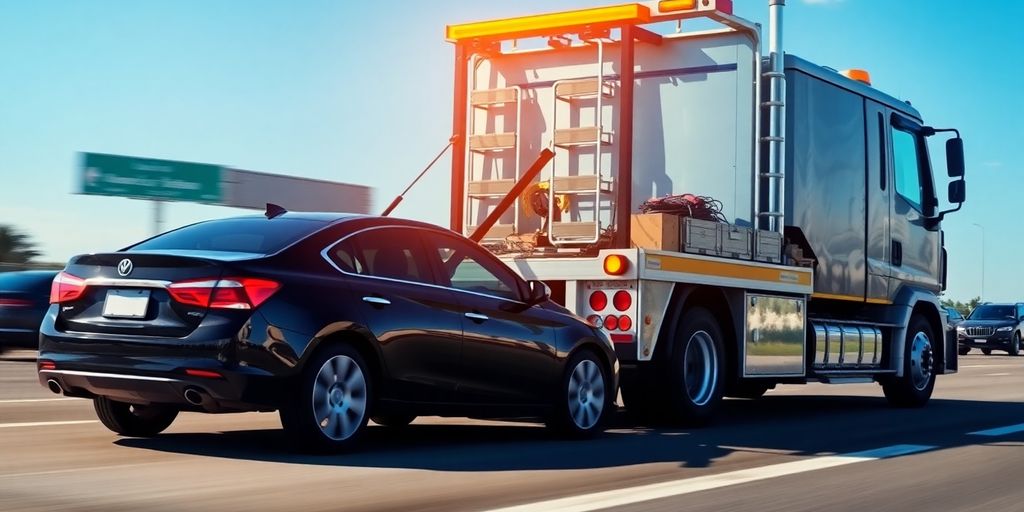
Towing used to be pretty basic, but now tech is changing everything. It's not just about a truck and a hook anymore. Now, it's about speed, efficiency, and keeping you informed every step of the way. Let's look at how technology is making a difference in the towing world.
GPS Tracking for Tow Trucks
GPS tracking is a game-changer for towing companies. Dispatchers can see where all their trucks are in real-time, which means they can send the closest truck to you. This cuts down on wait times, which is great when you're stuck on the side of the road. Plus, you can often track the truck's progress on your phone, so you know exactly when help will arrive. It's like tracking your pizza delivery, but for tow trucks.
Mobile Apps for Requesting Service
Mobile apps make it super easy to call for a tow. Instead of calling around and explaining your situation multiple times, you can just open an app, enter your location and vehicle info, and request service. Some apps even let you upload photos of the damage, so the towing company knows what to expect. You can often get a price estimate upfront, too, which helps avoid surprises.
Digital Payment Systems
Carrying cash? So old school. Most towing companies now use digital payment systems. You can pay with a credit card, debit card, or even through apps like Apple Pay or Google Pay. This makes the whole process way more convenient and secure. Plus, you get a digital receipt right away, which is handy for insurance claims.
Real-Time Communication Tools
Communication is key when you're dealing with a breakdown. Towing companies are using real-time communication tools like text messaging and in-app chat to keep you updated. They can let you know when the truck is on its way, if there are any delays, and answer any questions you have. This helps reduce stress and keeps you in the loop.
Automated Dispatch Systems
Automated dispatch systems are making towing services more efficient. These systems use algorithms to determine the best truck to send to each call, taking into account location, traffic, and truck availability. This means faster response times and better service overall. It's all about getting the right truck to the right place at the right time.
Vehicle Diagnostics Integration
Some towing services are even starting to integrate vehicle diagnostics into their systems. This means they can remotely diagnose your car's problem to better understand what's going on. This can help them bring the right equipment and potentially even fix minor issues on the spot. It's like having a mechanic on call.
Customer Feedback Platforms
Customer feedback platforms help towing companies improve their service. After the tow, you can leave a review and provide feedback on your experience. This helps the company identify areas where they can do better and ensures they're providing quality service. It also helps other customers choose a reliable towing company.
Route Optimization Software
Route optimization software helps tow truck drivers find the fastest and most efficient routes to your location and then to the destination. This saves time and fuel, which can translate to lower costs for you. It also helps reduce traffic congestion and makes the whole process smoother.
Technology is changing the towing industry for the better. From GPS tracking to mobile apps, these tools are making towing services faster, more efficient, and more convenient for everyone. It's all about using tech to make a stressful situation a little bit easier.
Long-Term Planning for Vehicle Emergencies
It's easy to overlook planning for vehicle emergencies, but a little preparation can save you a lot of stress, time, and money down the road. Think of it as an investment in your peace of mind. You don't want to be caught off guard when something unexpected happens. Let's get into some ways to prepare.
Establishing an Emergency Fund
Having a dedicated emergency fund can be a lifesaver when unexpected car troubles arise. This fund should be separate from your regular savings and earmarked specifically for vehicle-related issues. Even a small amount set aside each month can make a big difference when you're facing a costly repair or need emergency vehicle recovery.
Reviewing Auto Insurance Policies
Take some time to really understand your auto insurance policy. Know what's covered, what's not, and what your deductibles are.
- Collision coverage
- Comprehensive coverage
- Uninsured/underinsured motorist coverage
Knowing these details can help you make informed decisions in an emergency and avoid unpleasant surprises when filing a claim.
Considering Roadside Assistance Plans
Roadside assistance plans can provide valuable support in various vehicle emergencies. These plans often cover services like towing, jump-starts, tire changes, and fuel delivery. Compare different plans to find one that fits your needs and budget. Some auto insurance policies and credit cards also offer roadside assistance benefits, so be sure to check those as well.
Keeping Vehicle Documents Handy
Keep all your important vehicle documents in a safe and easily accessible place. This includes your:
- Registration
- Insurance card
- Vehicle identification number (VIN)
Having these documents readily available can speed up the process when dealing with law enforcement, insurance companies, or towing services.
Regular Vehicle Inspections
Regular vehicle inspections are key to preventing many common vehicle emergencies. Schedule routine check-ups with a trusted mechanic to identify and address potential issues before they escalate. This includes checking:
- Brakes
- Tires
- Fluids
Building a Relationship with a Mechanic
Finding a reliable mechanic you trust is a smart move. Having someone who knows your vehicle's history can be invaluable when unexpected problems arise. A good mechanic can provide honest assessments, recommend appropriate repairs, and help you maintain your vehicle in top condition.
Educating Family Members on Protocols
Make sure all family members who drive your vehicle know what to do in case of an emergency. This includes:
- How to safely pull over
- How to activate hazard lights
- Who to call for help
Creating a Vehicle Emergency Contact List
Create a list of important contacts to keep in your vehicle. This list should include:
- Your insurance company
- Your roadside assistance provider
- Your mechanic
- Emergency contacts (family, friends)
Having this list readily available can save valuable time and effort in a stressful situation.
Wrapping Things Up
So, your car decided to take an unexpected nap. It happens to the best of us, right? The main thing is not to panic. Just remember to put your safety first, figure out if you need a tow truck or roadside help, and then get that vehicle to a good spot. Knowing what to do ahead of time can really make a bad situation a lot less stressful. It's all about being ready, even for those annoying car troubles.
Frequently Asked Questions
When should I definitely call a tow truck?
If your car won't start, has a flat tire in an unsafe spot, or has been in an accident, it's usually best to call a tow truck. Also, if you run out of gas far from a station or have a major mechanical issue that stops your car, a tow is a good idea.
What should I do first when my car breaks down?
Before calling, make sure you and your passengers are safe. Turn on your hazard lights. If you're on a busy road, try to get to a safer spot away from traffic. Then, gather your car's information like its make, model, and location.
What's the difference between roadside assistance and a tow truck?
Roadside assistance is great for small problems like a dead battery, a flat tire you can change, or if you just need a little gas. A tow truck is needed when your car can't be fixed on the spot and needs to be moved to a repair shop or your home.
What information do I need to give the tow truck company?
You'll need to tell them your exact location, what kind of car you have, and what's wrong with it. Also, let them know where you want your car to be taken.
How can I find a good tow truck service?
Look for companies with good reviews online. You can also ask friends or family for recommendations. Make sure they are licensed and insured, and ask about their prices upfront.
What happens when the tow truck gets there?
When the tow truck arrives, confirm it's the right company. Talk to the driver about how they'll hook up your car and where it's going. You can usually ride with the driver to the destination.
How do I get my car ready for towing?
Make sure your car is in neutral (if it's an automatic, put it in park). Remove any valuable items. Close all windows and the sunroof. If you have an alarm, disable it. Give the driver your keys.
How much does a tow usually cost?
Towing costs depend on how far your car needs to go, the type of tow truck needed, and the time of day. Ask for a written estimate before the tow. Your insurance or roadside assistance plan might cover some or all of the cost.
What should I do after my car is towed?
After your car is towed, you'll need to arrange for repairs if it's at a garage. If it's at your home, you can decide what to do next. Always check your car for any new damage after a tow.
How can I avoid needing a tow truck in the future?
Regular car maintenance, checking your tires and fluids, and keeping your gas tank full can help prevent breakdowns. Carrying an emergency kit with things like jumper cables and a flashlight is also a smart idea.
Are there special rules for towing electric cars?
Electric vehicles often need a flatbed tow truck to prevent damage to their battery and electric motors. Always check your EV's owner's manual or call the manufacturer for specific towing instructions.
What should I do if my car needs towing after an accident?
After an accident, cooperate with the police and get their report. Your insurance company will need to know. Make sure your personal items are safe, and choose a repair shop approved by your insurance.