 English
 Spanish
 Russian
 French
 German
 Arabic
Mastering the Digital Canvas: Your Guide to How to Sell Art Online Successfully

So, you've got some awesome art, and you're thinking, "How can I sell art online?" Good news! The internet has opened up a huge world for artists. This guide will walk you through everything you need to know to get your art seen and sold, from taking good photos to shipping your pieces safely. We'll cover different places to sell, including platforms like Trandau, and give you practical tips to help you make a real go of it.
Key Takeaways
- Pick a specific art style you want to sell, like paintings, prints, or digital art, that matches what you like to create.
- Figure out where you'll sell your art online. This could be art marketplaces, your own website, or social media.
- Show off your art with good pictures and detailed descriptions. This helps people see what your art is all about.
- When you ship art, make sure it's packed well. This keeps it safe and makes customers happy when they get it.
- Protect your art from people who might try to copy it. Use watermarks and be active in online art groups.
- Promote your art store using emails, social media, and a blog. Share behind-the-scenes stuff to get people interested.
- Handle sales and talk to customers clearly and quickly. Good service and clear rules help build trust and get repeat buyers.
- Keep track of your art inventory and sales. This helps you stay organized and avoid selling something you don't have.
Introduction: The Growing Opportunity in Online Art Sales
The art world is changing, and it's moving online fast. What used to be limited to galleries and local shows is now open to anyone with an internet connection. This means huge opportunities for artists like you to reach a global audience and build a sustainable business. But it's not as simple as just uploading a picture and waiting for the sales to roll in. You need a strategy, some know-how, and a willingness to adapt. Think of it like this: the online art market is a vast ocean, full of potential but also full of challenges. This guide is your map and compass, helping you navigate those waters and find your treasure.
Understanding Your Art's Market Potential
Before you even think about setting up an online shop, you need to understand who your audience is and what they're looking for. This means doing your research. Are you selling original paintings, prints, or digital downloads? Each has a different market and requires a different approach. For example, original artwork allows you to command higher prices, but it might be harder to attract an initial audience. Reproduction prints, on the other hand, might be more popular but also more competitive. Digital downloads eliminate shipping costs, offering a convenient option.
Here's a quick breakdown:
- Original Paintings: Higher prices, smaller initial audience. Great for unique, high-value pieces.
- Reproduction Prints: More popular, more competitive. Good for building volume and reaching a wider audience.
- Digital Downloads: Convenient, cost-effective. Ideal for desktop backgrounds and stock photos.
It's not enough to just create art; you need to understand its value in the market. Attend gallery openings, follow art blogs, listen to art podcasts, visit art schools, and connect with other artists. The more you know, the better equipped you'll be to price your art and target the right buyers.
Essential Preparations Before Selling Art Online
Okay, so you've got a handle on your art's potential. Now what? Before you start listing your work, there are a few essential things you need to take care of. First, think about your brand. What makes you unique? What story do you want to tell? This will influence everything from your website design to your social media presence. Second, get your logistics in order. How will you handle payments, shipping, and customer service? These are the nuts and bolts of running an online business, and they can make or break your success. Finally, don't forget about the legal stuff. Make sure you understand copyright laws and any other regulations that might apply to your art. Selling art online is a business, so treat it like one. Consider forging gallery partnerships to expand your reach.
Here's a checklist to get you started:
- Define your brand: What's your unique selling proposition?
- Set up payment processing: PayPal, Stripe, etc.
- Establish a shipping strategy: How will you package and ship your art safely?
- Create a customer service plan: How will you handle inquiries and complaints?
- Understand copyright laws: Protect your work and avoid legal trouble.
Photographing Your Art for Online Sales
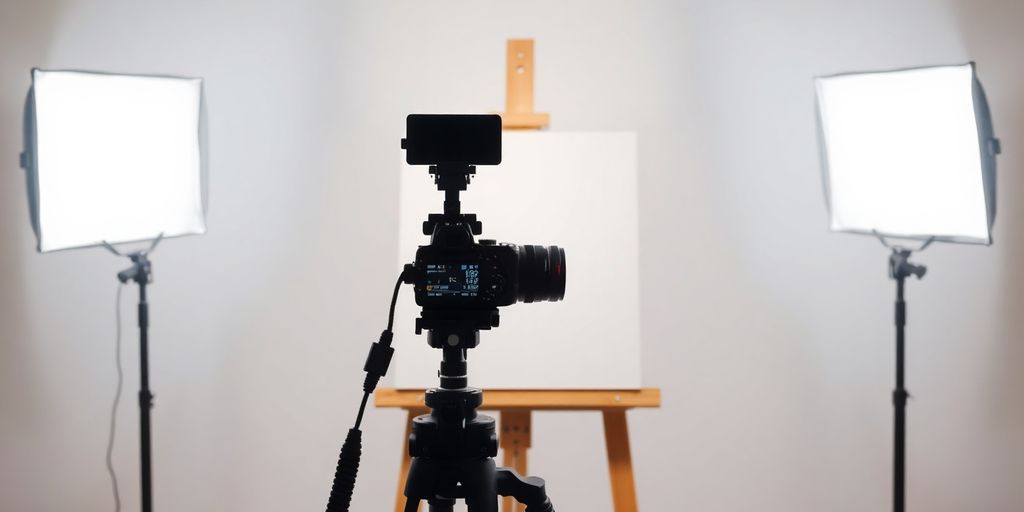
Okay, so you're ready to sell your art online. Awesome! But before you start raking in the dough, you've got to get your photography game on point. Let's be real, no one's going to buy something they can't see properly. Bad photos are a major turn-off. Think of it this way: your photos are your sales team. They need to be convincing!
High-Quality Photography
Investing in good photography is investing in your art business. It doesn't necessarily mean you need to drop thousands on fancy equipment, but it does mean paying attention to detail. Here's the deal:
- Lighting is Key: Natural light is your best friend. Try shooting near a window on a cloudy day for soft, even lighting. Avoid direct sunlight, which can create harsh shadows and wash out colors. If you don't have good natural light, consider investing in some basic studio lights. Even a couple of softboxes can make a huge difference.
- Sharpness Matters: Make sure your photos are in focus! Use a tripod to avoid blurry images, especially in low light. If you're using a smartphone, tap the screen to focus on your artwork.
- Show the Details: Include close-up shots to highlight textures, brushstrokes, and other details that make your art unique. People want to see the craftsmanship.
One of the biggest mistakes artists make is using poor lighting. It can completely distort the colors and make your art look dull and unappealing. Take the time to experiment with different lighting setups until you find what works best for you.
Building Your Own Website
While selling on marketplaces like Etsy or Trandau can be a great way to start, having your own website gives you complete control over your brand and customer experience. Think of it as your own virtual gallery. Here's why it's worth the effort:
- Brand Control: You get to design your website to reflect your unique style and brand. No more cookie-cutter templates!
- Higher Profit Margins: You avoid marketplace fees, which means more money in your pocket. Cha-ching!
- Direct Customer Relationships: You can build relationships with your customers directly, which can lead to repeat business and valuable feedback.
But building a website can feel daunting, right? Don't worry, it doesn't have to be complicated. There are plenty of user-friendly website builders out there, like Squarespace or Wix. Or, if you're a bit more tech-savvy, you could use WordPress. The key is to keep it simple and focus on showcasing your art in the best possible light. Make sure your site is easy to navigate, mobile-friendly, and includes clear calls to action. And don't forget to include an "About Me" page to tell your story and connect with potential buyers. You can find cameras & photography equipment on Trandau Marketplace to help you get started.
Artist-Specific Platforms
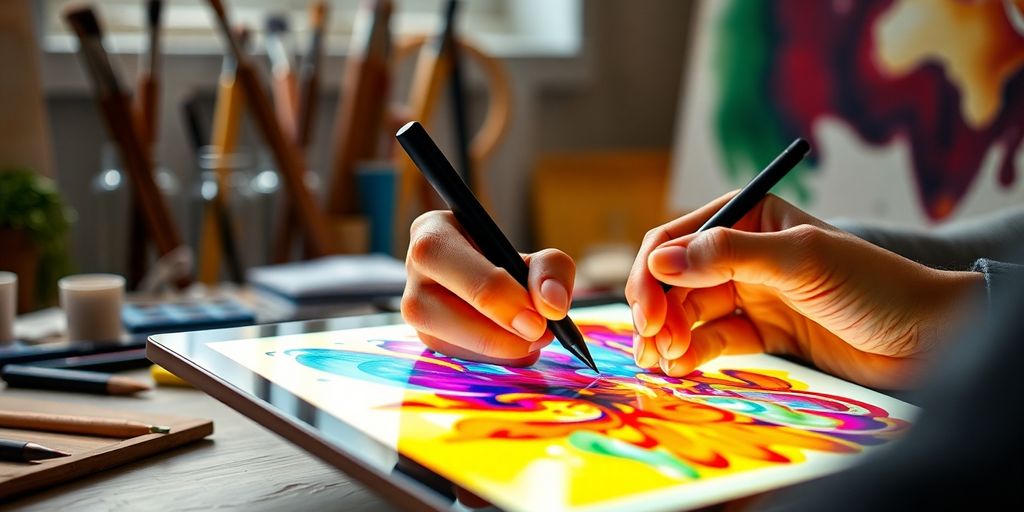
So, you're thinking about going beyond the big marketplaces and carving out your own space online? Smart move! While platforms like Trandau Marketplace offer a broad audience, having your own artist-specific platform gives you way more control and lets you really showcase your brand. It's like the difference between renting an apartment and owning a house – you get to decorate exactly how you want.
High-Quality Photography
This can't be stressed enough: amazing photos are non-negotiable. Seriously. No matter how incredible your art is, blurry, poorly lit pictures will kill your sales. Think about it – people are buying with their eyes first.
Here's what you need to nail:
- Lighting is Key: Natural, diffused light is your best friend. Avoid harsh shadows. Overcast days are actually perfect!
- Sharp Focus: Make sure your images are crystal clear. Use a tripod to avoid camera shake.
- Multiple Angles: Show your art from different perspectives. Close-ups of textures and details are a must.
- Professional Editing: Learn basic photo editing skills (or hire someone) to adjust brightness, contrast, and color balance. Don't overdo it, though – you want the image to be true to the original artwork.
Investing in good photography equipment (even just a decent smartphone and a tripod) is one of the best things you can do for your online art business. It's an upfront cost that pays off big time.
Building Your Own Website
Okay, this might sound intimidating, but it's totally doable, even if you're not a tech whiz. There are tons of user-friendly website builders out there specifically designed for artists. Think of your website as your online gallery – a place where you can curate your work, tell your story, and connect with collectors on your own terms. Having your own website is a sign that you're serious about your art business.
Here's a breakdown of your options:
- Website Builders (Shopify, Wix, Squarespace): These are drag-and-drop platforms that make it easy to create a professional-looking website without any coding knowledge. They often have built-in e-commerce features, so you can start selling right away.
- WordPress: This is a more flexible option, but it requires a bit more technical know-how. You'll need to choose a hosting provider (like Bluehost) and install a theme. However, WordPress offers tons of customization options and plugins, so you can create a truly unique website.
- Portfolio Websites (Behance, Dribbble): While not strictly e-commerce platforms, these are great for showcasing your work and attracting potential clients. You can link to your online store or offer bespoke quotes for commissions.
No matter which platform you choose, make sure your website is easy to navigate, visually appealing, and mobile-friendly. Include an artist statement, a bio, and high-quality images of your work. And don't forget to market your art effectively online by linking your website to your social media accounts and other online platforms.
Creating Compelling Art Listings That Sell
Okay, so you've got amazing photos of your art, and you've picked the right platforms. Now comes the part where you actually convince people to buy your art. This is where your listing becomes your best salesperson. It's gotta be informative, engaging, and, most importantly, make people want to own what you've created. Let's get into how to make that happen.
Marketing Your Art Effectively Online
Marketing your art online is more than just posting pretty pictures; it's about telling a story and connecting with your audience. Think of your marketing as an extension of your art itself. Here's how to do it right:
- Social Media Engagement: Don't just post and ghost. Interact with your followers. Ask questions, run polls, and respond to comments. Show that you're a real person who cares about their audience. For example, if you're selling stylish accents for home decor, create posts showcasing how your art complements different interior styles.
- Email Marketing: Build an email list and use it! Send out newsletters with new art releases, behind-the-scenes glimpses into your process, and exclusive deals for your subscribers. People on your email list are already interested in your work, so give them a reason to stay engaged.
- Collaborations: Partner with other artists, influencers, or businesses to reach new audiences. This could involve joint giveaways, cross-promotion on social media, or even creating collaborative art pieces. It's all about expanding your reach and tapping into new markets.
One of the biggest mistakes artists make is treating marketing as an afterthought. It's not! It's an integral part of your art business. Dedicate time and effort to it, and you'll see a significant return on your investment.
High-Quality Photography
We've touched on photography, but it's so important it deserves its own section here. You can have the most amazing art in the world, but if your photos are bad, no one will ever know. Here's what to focus on:
- Lighting is Key: Natural light is your best friend. Shoot your art outdoors on a cloudy day or near a window with soft, diffused light. Avoid direct sunlight, which can create harsh shadows and wash out colors.
- Sharp Focus: Make sure your photos are crystal clear. Use a tripod to prevent camera shake, and focus carefully on the details of your art. Blurry photos are a major turn-off for potential buyers.
- Multiple Angles: Show your art from different angles. Include close-ups to highlight textures and details, as well as wider shots to give a sense of scale. The more information you can provide visually, the better.
Building Your Own Website
While marketplaces are great for getting started, having your own website gives you complete control over your brand and customer experience. It's like having your own gallery, where you can showcase your art exactly how you want. Here's why it's worth the investment:
- Brand Control: You get to design your website to reflect your unique artistic style and brand. This helps you create a cohesive and memorable experience for your visitors.
- Higher Profit Margins: You don't have to pay commission fees to a marketplace, which means you keep more of the profits from your sales.
- Direct Customer Relationships: You can build direct relationships with your customers, gather feedback, and provide personalized service. This can lead to repeat business and loyal fans.
|
Feature |
Marketplace |
Your Own Website |
|
Brand Control |
Limited |
Full |
|
Commission Fees |
Yes |
No |
|
Customer Data |
Limited |
Full |
|
Customization |
Limited |
Extensive |
|
Marketing Tools |
Basic |
Advanced (SEO, email marketing, etc.) |
Building a website might seem daunting, but there are plenty of user-friendly platforms like Squarespace, Wix, and WordPress that make it easy. Don't be afraid to experiment and create something that truly represents you and your art.
Shipping and Handling Art Safely
Shipping art? It's more than just slapping a label on a box. It's about ensuring your precious creations arrive at their new homes in perfect condition. This is a big deal, because damaged art equals unhappy customers, and nobody wants that. Let's break down how to ship your art like a pro.
Packaging Your Art
Okay, first things first: packaging. This is where you prevent damage, so don't skimp! Think of it as building a little fortress around your artwork. For prints and posters, cardboard mailing tubes are your best friend. Smaller prints can go in rigid cardboard envelopes. Bubble wrap is your friend, use lots of it. If you're shipping a painting, consider unstretching the canvas and shipping it rolled in a tube. It can save a ton on shipping costs, and the buyer can have it restretched locally.
Here's a quick rundown:
- Prints/Posters: Cardboard tubes, rigid envelopes
- Paintings: Bubble wrap, custom boxes, or unstretched in a tube
- Sculptures: Lots of padding, custom crates for larger pieces
Don't forget the little things! Acid-free paper to protect the surface, corner protectors for framed pieces, and a waterproof layer in case of rain. These small details show you care.
Setting Up Shipping
Now, let's talk shipping options. Flat rate? Calculated rates? It can be confusing. Flat-rate shipping is simple: one price for everyone. Good for smaller, lightweight items. Calculated rates, where the price depends on weight, dimensions, and destination, are better for larger or heavier pieces. Most platforms let you integrate with carriers like FedEx or UPS to get real-time quotes. Make sure you enter the correct package dimensions and weight, or you'll end up eating the extra costs. You can also offer local pickup if you have a studio or physical presence.
Here are some common shipping options:
- Flat Rate: Simple, predictable, best for small items.
- Carrier Calculated: Accurate, varies by weight/size/distance.
- Local Pickup: Personal, saves on shipping costs for local buyers.
Insurance: An Important Reminder
Seriously, don't skip insurance. It's like a safety net for your art. If something gets lost or damaged in transit, insurance can cover the cost of the artwork. Check with your chosen carrier about their insurance options and make sure it's enough to cover the full value of your art. It's a small price to pay for peace of mind. Without proper insurance, it's like going out in the rain without an umbrella. You might be fine, but if you get soaked, you'll wish you had one. Remember to keep records of your art, including photos and descriptions, to make the claims process easier if needed.
Building a Sustainable Art Business
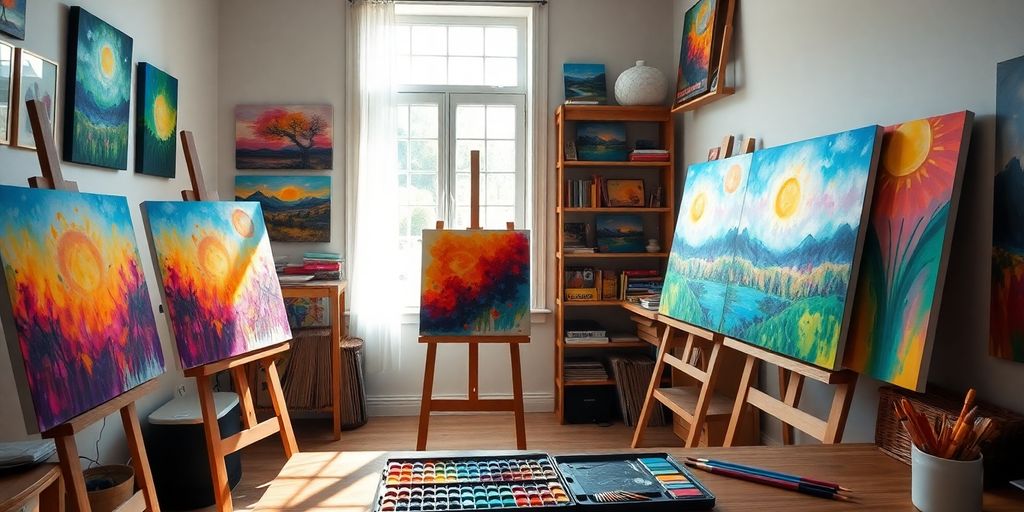
It's one thing to make a few sales, but building a sustainable art business online? That's the real goal. It's about creating a consistent income stream and a brand that lasts. This isn't just about posting pretty pictures; it's about strategy, planning, and a bit of business savvy. Let's get into it.
Diversifying Your Income Streams
Don't put all your eggs in one basket, as they say. Relying solely on direct sales of original artwork can be risky. What if your style falls out of favor, or the algorithm changes? Diversification is key. Here are a few ideas:
- Prints and Merchandise: Offer prints of your popular pieces, or put your art on mugs, t-shirts, or phone cases. This allows you to reach a wider audience at different price points. For example, if you sell original paintings for $500, offer prints for $50.
- Commissions: Take on custom commissions. This can be a steady source of income, and it allows you to connect with clients on a personal level. Be clear about your pricing and process upfront to avoid misunderstandings.
- Teaching and Workshops: Share your knowledge by teaching online classes or workshops. Platforms like Skillshare or Teachable make it easy to create and sell courses. You could teach painting techniques, digital art skills, or even the business side of being an artist.
Diversifying your income streams not only provides financial stability but also expands your reach and introduces your art to new audiences. It's about creating multiple avenues for your art to generate revenue.
Building an Email List and Engaging with Your Audience
Social media is great, but you don't own your followers there. Algorithms change, platforms come and go. An email list is something you control. It's a direct line to your fans and potential customers.
- Offer a Freebie: Give away a free digital download (like a printable artwork or a desktop wallpaper) in exchange for email sign-ups. This incentivizes people to join your list.
- Regular Newsletter: Send out a regular newsletter with updates on your art, upcoming events, and exclusive offers. Keep it engaging and personal – don't just bombard people with sales pitches.
- Engage in Conversations: Respond to comments and messages on social media. Ask questions, run polls, and create content that encourages interaction. The more engaged your audience is, the more likely they are to become customers.
Understanding Art Market Trends and Adapting
The art world is constantly evolving. What's popular today might not be tomorrow. It's important to stay informed and adapt your approach as needed. This doesn't mean abandoning your artistic vision, but it does mean being aware of what's happening in the market. Consider these steps:
- Follow Art Blogs and Publications: Stay up-to-date on current trends and emerging artists. This will give you a sense of what's resonating with collectors.
- Attend Gallery Openings (Online and Offline): See what other artists are doing and get a feel for the current art scene. Networking with other artists can also be beneficial.
- Analyze Your Sales Data: Pay attention to which pieces are selling well and which aren't. This can help you identify trends in your own work and adjust your offerings accordingly. For example, if you notice that your landscape paintings are more popular than your portraits, you might focus on creating more landscapes. You can also explore Trandau Marketplace to see what's trending in home decor.
It's a marathon, not a sprint. Building a sustainable art business takes time, effort, and a willingness to learn and adapt. But with the right strategies and a passion for your craft, you can create a thriving online art career.
Conclusion: Your Path to Online Art Sales Success
Selling art online can feel like navigating a maze, but with the right tools and mindset, you can absolutely thrive. It's about more than just uploading pictures; it's about building a brand, connecting with your audience, and running a business. Let's recap some key points to set you on the right path.
FAQs About Selling Art Online
Navigating the world of online art sales can bring up a lot of questions, so let's tackle some common ones:
- What's the best platform to sell my art? It really depends on your style and target audience. Trandau Marketplace is a great option if you're looking for a global marketplace that supports both digital and physical products. Other platforms like Etsy or specialized art sites might be better for niche audiences.
- How do I protect my art from being copied? Watermarking your images is a must. Also, keep an eye out for unauthorized use of your work and engage with online art communities to build your presence and deter copycats. It's a constant effort, but it's worth it to protect your intellectual property.
- How important is customer service? Extremely important! Be responsive, transparent, and accommodating. Clear communication and excellent service can turn potential buyers into loyal fans. People resonate with stories, and it helps form a meaningful bond between the buyer and the artwork.
Selling art online isn't a get-rich-quick scheme. It takes time, effort, and a willingness to learn and adapt. Don't be discouraged by slow starts. Keep creating, keep marketing, and keep connecting with your audience.
Remember, building a sustainable art business is a marathon, not a sprint. Stay persistent, stay passionate, and keep creating!
FAQs About Selling Art Online
What's the best place to sell my art online?
That's a loaded question! It really depends on your art, your target audience, and how much effort you want to put in. Marketplaces like Etsy are great for beginners because they have built-in traffic. You can get started pretty quickly, but you'll be competing with a lot of other artists. On the other hand, setting up your own website gives you complete control over your brand and customer experience, but it requires more work to drive traffic. Think about where your ideal customer is likely to shop. Are they browsing for handmade goods on Etsy, or are they searching for unique pieces on artist-specific platforms? Or are they looking for something specific that they would search for on Google and land on your website?
How do I price my art fairly?
Pricing is always tricky! A good starting point is to calculate the cost of your materials and the time you spent creating the piece. Then, factor in your skill level, experience, and the demand for your work. Research what similar artists are charging for comparable pieces. Don't be afraid to experiment with your prices until you find a sweet spot that feels fair to you and attracts buyers. Remember, you can always adjust your prices as your reputation grows. I know one artist who started by charging just enough to cover materials, but now that they've built a following, they can command much higher prices.
How can I protect my art from being copied?
This is a real concern for artists selling online. Watermarking your images is a must. Use a discreet watermark that doesn't detract from the artwork itself, but makes it difficult to remove. You can also use a service that monitors the web for unauthorized use of your images. It's also a good idea to include a copyright notice on your website and in your product descriptions. While it won't prevent all copying, it sends a clear message that you take your intellectual property seriously. I've heard horror stories of artists finding their work being sold as prints without their permission, so it's better to be proactive.
How do I handle shipping delicate artwork?
Shipping art can be nerve-wracking, especially if it's fragile. Invest in high-quality packing materials, like bubble wrap, packing peanuts, and sturdy boxes. For paintings, consider using glassine paper to protect the surface. If you're shipping a sculpture, make sure it's securely anchored inside the box to prevent it from shifting during transit. It's also a good idea to purchase shipping insurance to cover any potential damage or loss. I once shipped a ceramic piece that arrived in pieces, even though I thought I had packed it well. Now, I always over-pack and insure everything!
What if a customer isn't happy with their purchase?
It's inevitable that you'll encounter unhappy customers from time to time. The key is to handle complaints professionally and empathetically. Offer a refund or exchange if the item is damaged or not as described. Be clear about your return policy upfront to avoid misunderstandings. Sometimes, a simple apology and a willingness to make things right can turn a negative experience into a positive one. I had a customer who complained that the colors in a painting weren't as vibrant as they appeared online. I offered her a partial refund, and she ended up keeping the painting and becoming a repeat customer.
How important is social media for [how to sell art online]?
Social media is HUGE. It's not just about posting pretty pictures of your art; it's about building a community and connecting with potential buyers. Share behind-the-scenes glimpses of your creative process, engage with your followers, and run contests or giveaways to generate excitement. Use relevant hashtags to reach a wider audience. Don't be afraid to experiment with different platforms to see what works best for you. I know one artist who built their entire business on Instagram by posting daily sketches and interacting with their followers. It takes time and effort, but it can be incredibly rewarding.
How do I build an email list for my art business?
An email list is one of the most valuable assets you can have as an artist. It allows you to communicate directly with your fans and potential customers. Offer a freebie, like a digital print or a discount code, in exchange for signing up for your list. Promote your email list on your website, social media, and at art fairs or events. Send regular newsletters with updates on your new work, upcoming shows, and special offers. Don't spam your subscribers, but keep them engaged with interesting and relevant content. I've seen artists who generate a significant portion of their sales through email marketing alone.
Want to sell your art online but not sure where to begin? It can seem tricky, but we've got answers to common questions that will help you get started. Find out how easy it is to sell your creations by checking out our website!
Wrapping Up: Your Art Journey Online
So, there you have it. Getting your art out there and making sales online might seem like a lot, but it's totally doable. Think of it as building something, step by step. You pick your art, find a good spot to sell it (like Trandau, for example), make it look good with nice photos, and then tell people about it. Don't forget to pack it well when it sells! It's all about being consistent and learning as you go. The online art world is always changing, but with these ideas, you're set to get your art seen and hopefully, make some money from what you love to do.
Frequently Asked Questions
What's the best place to sell my art online?
The best place to sell your art depends on what you make and who you want to reach. Some popular spots include online stores like Etsy or specialized art sites. You could also make your own website. Each has good points and bad points, so pick one that feels right for your art.
What kind of art sells the most online?
Lots of different art sells well online! This includes paintings, prints, digital art, and sculptures. What's popular can change, so it's smart to see what people are buying. But generally, art that looks good in photos and can be shipped easily does well.
What's the most profitable way to sell art online?
Making money from your art online usually means selling original pieces, special limited editions, or really good prints. The key is to pick a place to sell that fits your art and the people you want to sell to. Think about your prices, how you'll tell people about your art, and how you'll talk to customers to make the most money.
How can I sell my art online?
To sell art online, first decide where you'll sell it – maybe an art website or your own site. Then, create a great online display of your art with clear descriptions and awesome pictures. Use social media and emails to tell people about your art. Talk to your customers quickly and nicely, and make sure they have a good experience.
Can I really make a living selling art online?
It's totally possible to make a living selling art online! It takes hard work, good planning, and always learning. You need to make great art, take good photos, price things fairly, and tell people about your work. Building a group of loyal customers helps a lot. If you keep at it and learn what the online art world likes, you can make a steady income.
What types of art are suitable for online sales?
You can sell many types of art online, like paintings, drawings, prints, sculptures, and digital art. Even things like jewelry or handmade crafts can be sold if they're unique and well-made. The main thing is that your art should be something people want to buy and can be shipped safely.
How do I promote my art effectively online?
To get your art noticed, use social media like Instagram and Facebook to show off your work. You can also start an email list to send updates to fans. Think about working with other artists or online groups. Good photos and clear descriptions of your art are super important too!
How should I price my artwork for online sales?
Pricing your art can be tricky. Think about how much time and materials you used, plus your own skill. Look at what similar artists are charging. Don't be afraid to charge what your art is worth, but also be fair. You might start a bit lower and raise prices as you get more popular.
Are high-quality photos really that important?
Yes, you absolutely need good photos! Clear, bright pictures that show your art accurately are key. People can't touch your art online, so the photos are their only way to see it. Bad photos can make even amazing art look unappealing.
What's the best way to ship my art safely?
When shipping art, pack it super carefully to prevent damage. Use strong boxes, bubble wrap, and protective corners. Make sure the package is sealed well. For bigger or more fragile pieces, you might need special shipping services. Always get tracking and insurance!
How can I protect my art from being copied online?
To protect your art from being copied, you can add a watermark to your online images. This is a faint logo or text that shows it's yours. Also, make sure to state that your art is copyrighted. If you see someone using your art without permission, you can ask them to take it down.
How do I build a loyal customer base for my art?
Building a loyal customer base means being friendly and helpful. Answer questions quickly, be honest about your art, and make sure shipping is smooth. You can also send thank you notes or offer small discounts for repeat buyers. When customers feel valued, they're more likely to come back and tell others about your work.